Corylus, Genus, cornuta, Species, var., Variety, californica, Variety,
- Genus & species
- Variety
western hazelnut
Pacific Coast ranges from southern British Columbia to Baja California; forest understory, canyons, and stream banks at low to mid-elevations
Overview
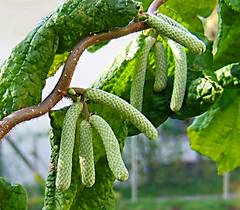
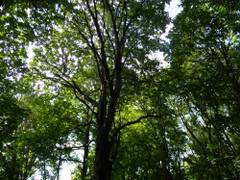
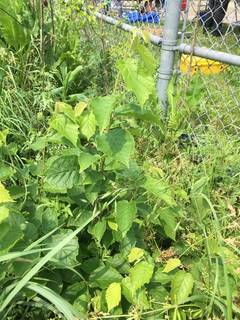
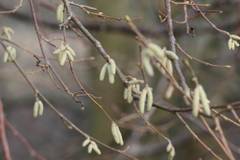
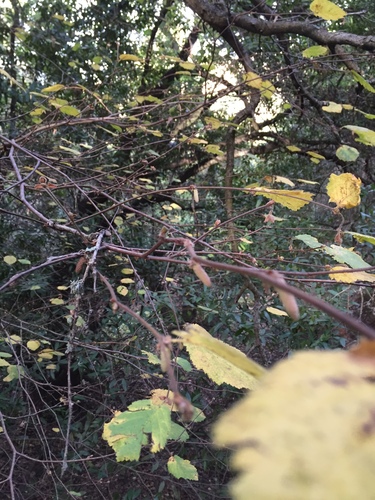
Corylus cornuta var. californica is western hazelnut (California hazel), an upright deciduous shrub growing 6-15 feet (1.8-4.5 m) tall and 6-12 feet (1.8-3.6 m) wide, spreading by root suckers to form multi-stemmed thickets. Yellow pendulous male catkins 1-2.5 inches (2.5-6 cm) on bare branches in January-March. Medium green rounded to broadly ovate leaves 2-4 inches (5-10 cm), doubly serrated. Turns yellow to orange-yellow in fall. Small hazelnuts 0.5 inch (1.3 cm) enclosed in tubular bristly beaked involucres 1-1.5 inches (2.5-4 cm) — the beaked involucre is the distinguishing feature (cornuta = horned). In Betulaceae. Native to the Pacific Coast from southern British Columbia to Baja California. The hazelnuts are edible but small — smaller than cultivated filberts (C. avellana, C. maxima). Squirrels, jays, and other wildlife consume the nuts. Suckers from the roots forming thickets — this suckering is the primary limitation for formal plantings. Highly adaptable to soil types including rocky and clay. Tolerates full shade to full sun. Drought-tolerant once established. Non-toxic. Zones 4-9. Growth rate is moderate.
Native Range
Native to the Pacific Coast ranges from southern British Columbia to Baja California. Found in forest understory, canyons, and stream banks at low to mid-elevations.Suggested Uses
Grown in native plant gardens, wildlife plantings, streambank stabilization, and woodland restoration on the Pacific Coast spaced 6-12 feet (1.8-3.6 m). Edible hazelnuts (small). Wildlife food source. Highly adaptable. Suckers — allow space for thicket. Native to Pacific Coast. Non-toxic. Zones 4-9.How to Identify
Appearance
Size & Dimensions
Height6' - 15'
Width/Spread6' - 12'
Bloom Information
Late winter to early spring (January-March). Yellow pendulous male catkins 1-2.5 inches (2.5-6 cm) on bare branches. Tiny red female flowers at bud tips. 5 weeks of catkin display. Wind-pollinated. Small beaked hazelnuts ripen August-September.
Detailed Descriptions
Flower Description
Yellow pendulous male catkins 1-2.5 inches (2.5-6 cm) in late winter; tiny red female flowers at bud tipsFoliage Description
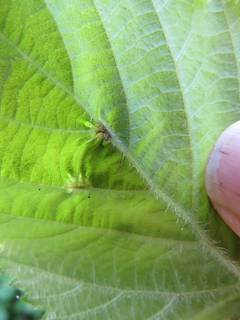
Medium green, rounded to broadly ovate, doubly serrated, 2-4 inches (5-10 cm) long; turns yellow to orange-yellow in fallGrowing Conditions
Sun Requirements
Requires 1-8 hours of direct sunlight daily
• Full Sun: 6+ hours of direct sunlight
• Partial Shade: 3-6 hours of direct sunlight
• Full Shade: Less than 3 hours of direct sunlight
Care & Maintenance
Care Guide
Full sun to full shade (1-8 hours). Highly adaptable — any well-drained soil pH 5.5-7.5 including clay, sand, and rocky soil. Drought-tolerant once established. Suckers from roots — remove unwanted suckers to control spread. Prune in early spring (February-March). No significant diseases. Deer browse foliage. Non-toxic. Zones 4-9.Pruning
Prune in early spring (February-March) before catkin display if needed. Remove unwanted root suckers to control thicket spread. Can be coppiced to ground level for renewal. The multi-stemmed thicket form is natural.Pruning Schedule
Prune: February–March
early spring