Corylus, Genus, cornuta, Species,
- Genus & species
hazel
Alaska and British Columbia south through Washington, Oregon, and California to Baja California; east across Canada to Newfoundland and south through the eastern United States; forest edges, shrub thickets, and well-drained slopes
Overview
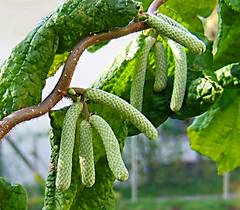
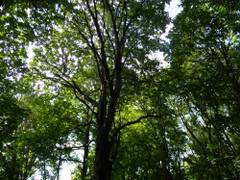
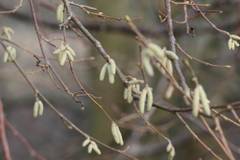
Corylus cornuta is beaked hazelnut (western hazel), an upright deciduous shrub growing 6-15 feet (1.8-4.5 m) tall and 6-12 feet (1.8-3.6 m) wide. Pendant yellow-brown male catkins 1-2.5 inches (2.5-6 cm) hang from bare branches in January-March (6 weeks); flowering in midwinter is earlier than most Pacific Northwest woody plants. Tiny red-tipped female flowers form at branch tips and are easy to overlook. Hazelnuts 0.3-0.5 inch (8-13 mm) develop enclosed in a stiff tubular bristly beak 0.6-1.5 inches (15-38 mm) much longer than the nut; the beak is diagnostic (cornuta = horned). Medium green doubly serrated leaves with heart-shaped (cordate) bases turn yellow to orange-yellow in fall. Family Betulaceae. Distinct from the European hazelnut (C. avellana, the commercial filbert), which has a short open husk that does not extend much beyond the nut. Native to Alaska and British Columbia south through Washington, Oregon, and California to Baja California, and east across Canada to Newfoundland and south through the eastern United States. Found at forest edges, in shrub thickets, and on well-drained slopes. The early winter male catkins supply pollen to queen bumblebees emerging from hibernation. Wind-pollinated. Edible nuts ripen August-October and are an important food source for squirrels, Steller's jays, ruffed grouse, bears, and humans (Indigenous peoples have harvested beaked hazelnuts for thousands of years). Drought-tolerant once established. Susceptible to eastern filbert blight (Anisogramma anomala), a serious fungal disease in eastern North America that is less of a concern in the Pacific Northwest. Non-toxic. Hardy in zones 4-9. Grown in part sun to full sun. Growth rate is moderate.
Native Range
Native to Alaska and British Columbia south through Washington, Oregon, and California to Baja California, and east across Canada to Newfoundland and south through the eastern United States. Found at forest edges, in shrub thickets, and on well-drained slopes.Suggested Uses
Corylus cornuta is grown as a native edible shrub in mixed borders, hedgerows, wildlife gardens, and forest-edge plantings, spaced 6-12 feet (1.8-3.6 m) apart. Edible nuts are eaten by squirrels, Steller's jays, ruffed grouse, bears, and humans. Cold-hardy to zone 4. Non-toxic. Hardy in zones 4-9.How to Identify
Appearance
Size & Dimensions
Height6' - 15'
Width/Spread6' - 12'
Bloom Information
Winter (January-March). Male: pendant yellow-brown catkins 1-2.5 inches (2.5-6 cm) hang from bare branches. Female: tiny red-tipped flowers form at branch tips. Bloom lasts about 6 weeks. Wind-pollinated; supplies early-season pollen to queen bumblebees emerging from hibernation.
Detailed Descriptions
Flower Description
Male: yellow-brown pendant catkins 1-2.5 inches (2.5-6 cm) hang from bare branches in January-March, earlier than most Pacific Northwest woody plants. Female: tiny red-tipped flowers form at branch tips and are easy to overlook. Wind-pollinated flowers are followed by hazelnuts 0.3-0.5 inch (8-13 mm) enclosed in a stiff tubular bristly beak 0.6-1.5 inches (15-38 mm) much longer than the nut (cornuta = horned).Foliage Description
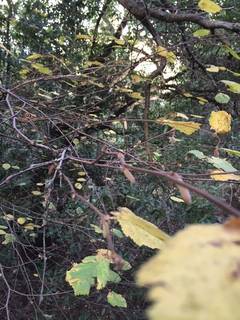
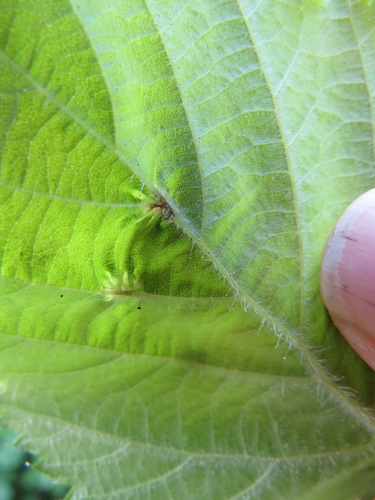
Medium green, broadly ovate to nearly round, 1.5-4 inches (4-10 cm), doubly serrated with heart-shaped (cordate) base; soft pubescence on both surfaces; turns yellow to orange-yellow in fall.Growing Conditions
Sun Requirements
Requires 3-8 hours of direct sunlight daily
• Full Sun: 6+ hours of direct sunlight
• Partial Shade: 3-6 hours of direct sunlight
• Full Shade: Less than 3 hours of direct sunlight
Care & Maintenance
Care Guide
Grown in part sun to full sun with 3-8 hours of direct sun. Soil tolerates clay, sand, rocky, or loam with a pH of 5.5-7.5. Drought-tolerant once established. Cold-hardy to zone 4. Susceptible to eastern filbert blight (Anisogramma anomala) in eastern North America, less of a concern in the Pacific Northwest. Edible nuts; non-toxic. Hardy in zones 4-9.Pruning
Pruned in late winter (February-March) before bud break. The oldest stems are cut to the base every few years to rejuvenate the clump. The natural multi-stem shrub form is the typical goal.Pruning Schedule
Prune: February–March
early spring