Image 1 of 5
1 / 5
Plant Reference
Corylus, Genus, maxima, Species, 'Purpurea', Cultivar,
- Genus & species
- Cultivar
purple‑leaf filbert
The species {C. maxima} is native to southeastern Europe and Turkey; 'Purpurea' is a cultivar of garden origin
Overview
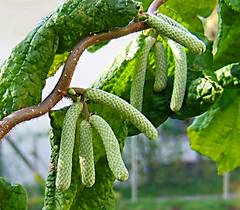
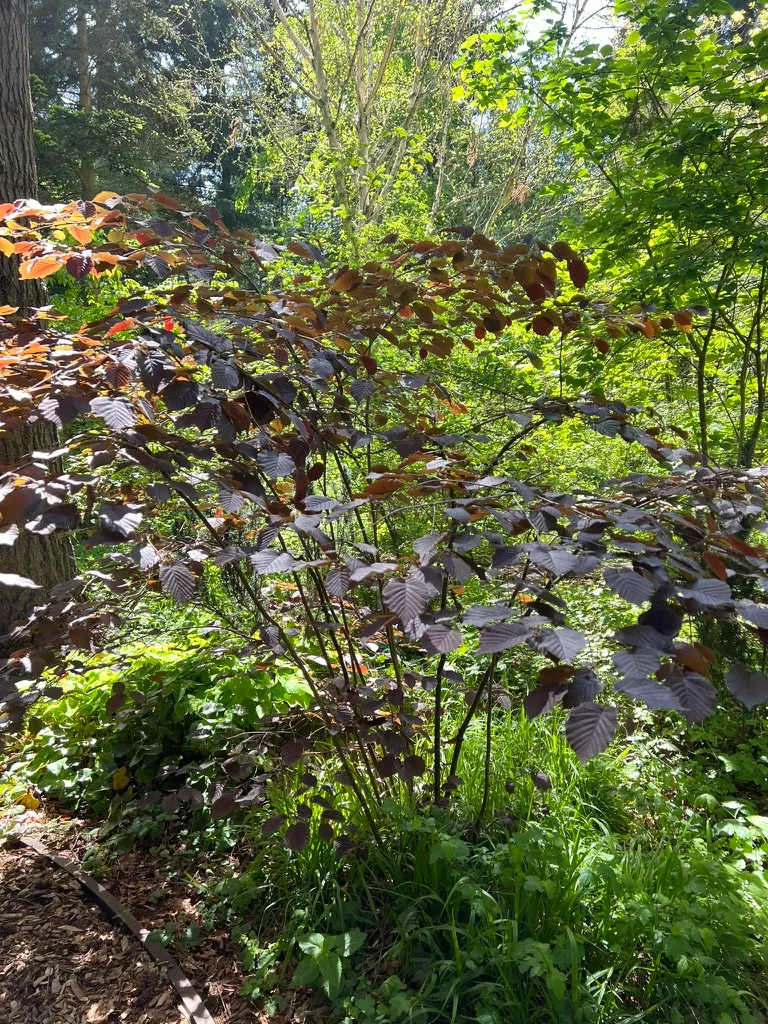
Corylus maxima 'Purpurea' is purple-leaf filbert (purple giant filbert), an upright deciduous shrub growing 10-15 feet (3-4.5 m) tall and 8-12 feet (2.4-3.6 m) wide. Deep purple foliage emerging in spring, rounded leaves 3-5 inches (7-13 cm). Purple-red male catkins 2-3 inches (5-7 cm) on bare branches in February-March — the catkins are purple (not yellow) on this cultivar. The purple foliage color fades toward bronze-green by late summer in hot climates — this color reversion is the primary aesthetic limitation. Annual coppicing (hard pruning to 12-18 inches / 30-45 cm in March) stimulates deeply colored new growth that holds the purple longer, but eliminates flowering and fruiting for that year. Large filberts (hazelnuts) 0.75 inch (2 cm) in purple involucres — edible. In Betulaceae. Eastern filbert blight (Anisogramma anomala) causes cankers and branch dieback — a serious disease in the Pacific Northwest and northeastern US. Large shrub requiring space. Drought-tolerant once established. Non-toxic. Zones 4-8. Full sun to partial shade. Growth rate is moderate to fast.
Native Range
The species C. maxima is native to southeastern Europe and Turkey. 'Purpurea' is a cultivar of garden origin.Suggested Uses
Grown as a specimen shrub, back-of-border accent, and in mixed plantings spaced 8-12 feet (2.4-3.6 m). Purple foliage. Purple catkins. Edible filberts. Large shrub — requires space. Purple fades in hot climates. Non-toxic. Zones 4-8.How to Identify
Appearance
Size & Dimensions
Height10' - 15'
Width/Spread8' - 12'
Bloom Information
Detailed Descriptions
Flower Description
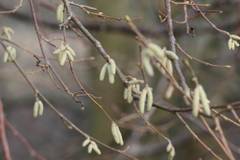
Purple-red male catkins 2-3 inches (5-7 cm) in late winter on bare branches — the catkins are purple (not yellow) on this cultivarFoliage Description
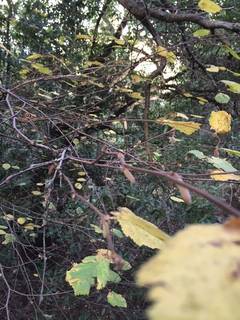
Deep purple when emerging, rounded, 3-5 inches (7-13 cm); the purple fades toward bronze-green by late summer in hot climates; turns bronze in fallGrowing Conditions
Sun Requirements
Requires 4-8 hours of direct sunlight daily
• Full Sun: 6+ hours of direct sunlight
• Partial Shade: 3-6 hours of direct sunlight
• Full Shade: Less than 3 hours of direct sunlight
Care & Maintenance
Care Guide
Full sun to partial shade (4-8 hours — full sun for deepest purple). Well-drained soil pH 5.5-7.5. Drought-tolerant once established. Optional: coppice annually in March for deeper purple new growth (eliminates flowers/fruit that year). Eastern filbert blight in Pacific Northwest and northeastern US. Prune in early spring. Non-toxic. Zones 4-8.Pruning
Two approaches: (1) For purple foliage display — coppice annually in March by cutting all stems to 12-18 inches (30-45 cm); this produces deeply colored new growth but eliminates flowers and fruit. (2) For flowers and fruit — prune lightly after catkin display, removing dead or crossing branches only. Remove root suckers to control spread.Pruning Schedule
Prune: March
early spring