Image 1 of 10
1 / 10
Plant Reference
Corylus, Genus, avellana, Species, 'Contorta', Cultivar,
- Genus & species
- Cultivar
harry Lauder's walking stick
The species {C. avellana} is native to Europe and western Asia; 'Contorta' was discovered as a natural mutation in a hedgerow in Gloucestershire, England, c. 1863
Overview
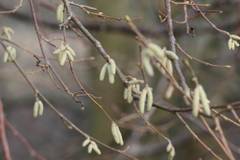
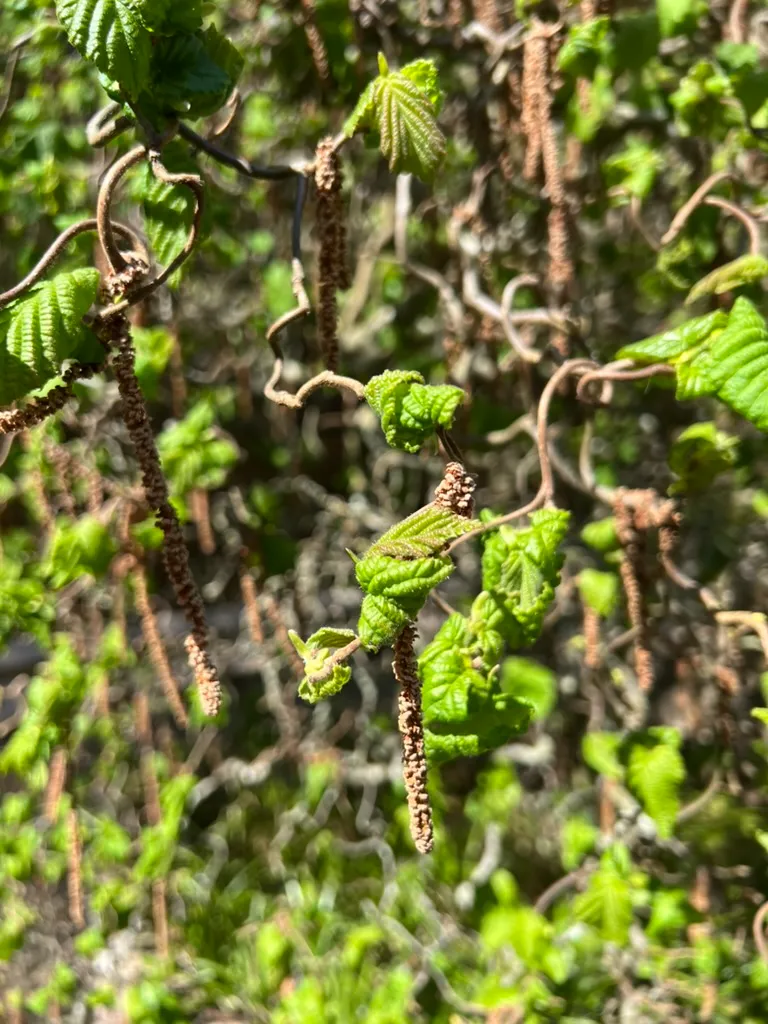
Corylus avellana 'Contorta' is Harry Lauder's walking stick (contorted hazel), a deciduous shrub growing 8-10 feet (2.4-3 m) tall and 8-10 feet (2.4-3 m) wide with contorted (twisted, spiraling) branches. The contorted bare branch silhouette in winter is the primary display — most visible after leaf drop. Yellow pendulous male catkins 2-3 inches (5-7 cm) hang on the bare contorted branches in February-March. Medium green rounded crinkled leaves 2-4 inches (5-10 cm) — the leaves are contorted (wavy, twisted) matching the stems. In Betulaceae. Discovered as a natural mutation in a hedgerow in Gloucestershire, England, c. 1863. Grafted onto straight-stemmed C. avellana rootstock — vigorous straight suckers from below the graft union must be removed promptly or the straight rootstock overtakes the contorted scion. This rootstock sucker management is the primary maintenance requirement. Eastern filbert blight (Anisogramma anomala) causes cankers and branch dieback — a serious disease in the Pacific Northwest and northeastern US. Japanese beetles feed on the foliage. Drought-tolerant once established. Non-toxic. Zones 3-8. Full sun to partial shade. Growth rate is slow.
Native Range
The species C. avellana is native to Europe and western Asia. 'Contorta' was discovered in a hedgerow in Gloucestershire, England, c. 1863.Suggested Uses
Grown as a specimen shrub for winter branch interest, in mixed borders, and in containers of at least 10 gallons (38 L). Contorted winter silhouette. Yellow catkins. Cut branches for floral arrangements. Requires rootstock sucker removal. Non-toxic. Zones 3-8.How to Identify
Appearance
Size & Dimensions
Height8' - 10'
Width/Spread8' - 10'
Bloom Information
Detailed Descriptions
Flower Description
Yellow male catkins 2-3 inches (5-7 cm) in late winter on bare contorted branches; tiny red female flowers at bud tipsFoliage Description
Medium green, rounded, 2-4 inches (5-10 cm), crinkled and contorted (wavy, twisted) matching the contorted stems; turns yellow in fallGrowing Conditions
Sun Requirements
Requires 4-8 hours of direct sunlight daily
• Full Sun: 6+ hours of direct sunlight
• Partial Shade: 3-6 hours of direct sunlight
• Full Shade: Less than 3 hours of direct sunlight
Care & Maintenance
Care Guide
Full sun to partial shade (4-8 hours). Well-drained soil pH 5.5-7.5. Drought-tolerant once established. Remove straight suckers from below the graft union promptly — they outcompete the contorted growth. Eastern filbert blight in the Pacific Northwest and northeastern US — monitor for cankers. Prune after catkin display (March-April). Non-toxic. Zones 3-8.Pruning
Prune after catkin display (March-April). Remove straight rootstock suckers from below the graft union as soon as they appear — these are vigorous and will outcompete the contorted scion. Remove dead or crossing branches. The contorted form is natural — do not attempt to straighten or thin.Pruning Schedule
Prune: March–April
early spring
Container Growing
Suitable for container growing
Minimum container size: 10 gallons