Corylus, Genus, avellana, Species,
- Genus & species
common hazel
Europe, western Asia, and North Africa
Overview
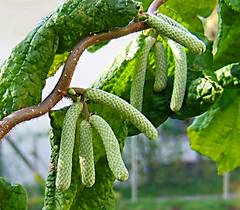
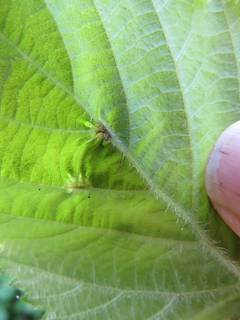
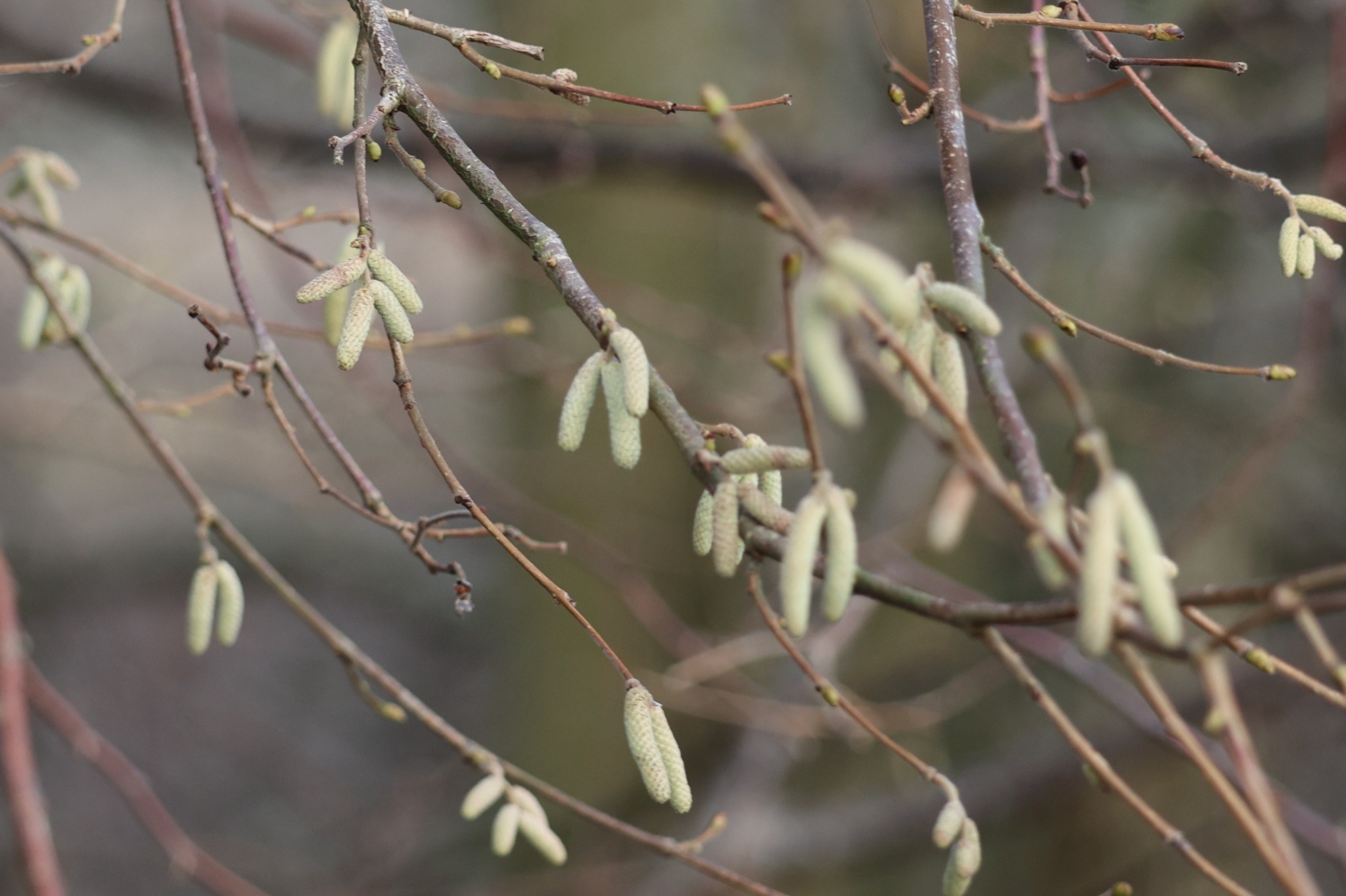
Corylus avellana is a deciduous, multi-stemmed shrub or small tree growing 10–20 feet (3–6 m) tall and 10–15 feet (3–4.5 m) wide, forming a rounded, suckering thicket. The rounded leaves are 2.4–4 inches (6–10 cm) long, doubly toothed, with a soft, hairy surface and a short pointed tip, turning yellow in autumn. In late winter, before the leaves, pendulous yellow male catkins 1.5–3 inches (4–8 cm) long release pollen, while the tiny female flowers show only as red styles protruding from small buds. Wind carries the pollen between them. By early autumn the female flowers develop into edible nuts (cobnuts or hazelnuts) held in a leafy husk, ripening brown. The species grows in woodland, hedgerows, and scrub across Europe and tolerates most soils, shade, and exposure, though it suckers freely and the nut crop is often taken by squirrels and other wildlife before harvest. Hardiness covers USDA zones 4–8. The plant responds to coppicing, regrowing straight poles from a cut stool. It is grown for nuts, hedging, coppice products, and the winter catkins, and the suckering habit can spread in small gardens.
Native Range
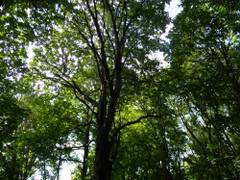
Corylus avellana is native across Europe and into western Asia and North Africa, where it grows in woodland, woodland margins, hedgerows, and scrub on a wide range of soils.Suggested Uses
Corylus avellana is grown in native and mixed hedging, woodland and wildlife gardens, and coppice plots for poles and pea-sticks. It also serves as a nut-bearing shrub in larger gardens and orchards. The early catkins and edible nuts give winter and autumn interest.How to Identify
Appearance
Size & Dimensions
Height10' - 20'
Width/Spread10' - 15'
Bloom Information
Flowering occurs in late winter to early spring, often January to March in the Northern Hemisphere, before the leaves. Yellow male catkins lengthen and shed pollen, while the small red female flowers are easy to overlook. Pollination is by wind. Nuts ripen from late summer into early autumn.
Detailed Descriptions
Flower Description
Yellow male catkins, red female flowersFoliage Description
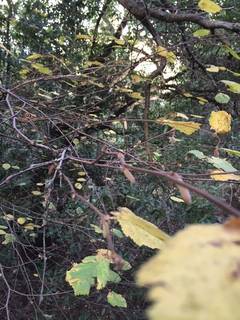
Mid-green, yellow in autumnGrowing Conditions
Sun Requirements
Requires 4-12 hours of direct sunlight daily
• Full Sun: 6+ hours of direct sunlight
• Partial Shade: 3-6 hours of direct sunlight
• Full Shade: Less than 3 hours of direct sunlight
Care & Maintenance
Care Guide
Grow Corylus avellana in full sun to partial shade in most soils, from chalk to clay, given reasonable drainage. It tolerates exposure and shade but produces heavier nut crops in sun. Water during establishment; mature plants are tolerant of short dry spells. The shrub suckers, so suckers are removed where a single clump is wanted, and a second plant nearby improves pollination and nut set. Little feeding is needed. It is generally healthy, though squirrels often strip the nuts and big-bud mite can affect some plants.Pruning
Corylus avellana is pruned in late winter while dormant. For poles or renewal it is coppiced, cutting all stems close to the ground every 7–10 years; for nuts the bush is thinned and older stems removed to keep an open framework. Suckers are cut or dug out to limit spread.Pruning Schedule
Prune: February
winter