Corylus, Genus, spp., Multiple species,
- Genus
- Multiple species
hazels
Temperate Northern Hemisphere (Europe, North Africa, Asia, North America)
Overview
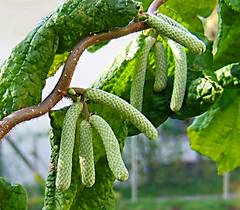
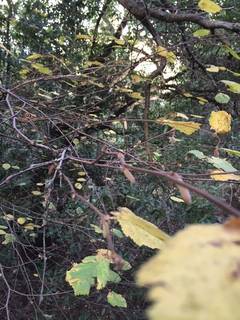
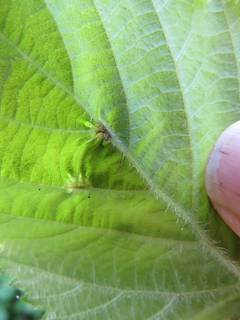
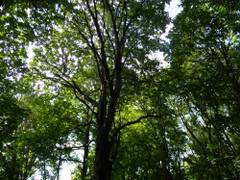
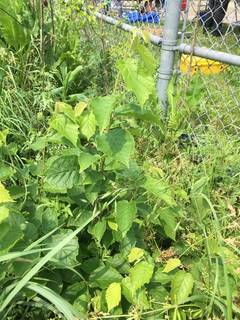
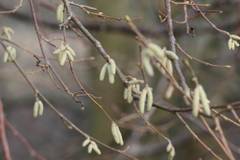
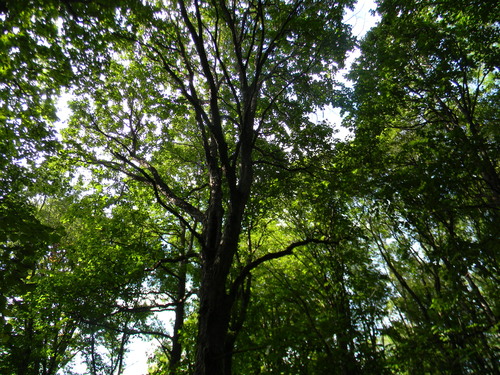
Corylus is a genus of about 15 species of deciduous shrubs and small trees in the birch family (Betulaceae), known as hazels and grown for edible nuts and ornamental form. Most species are multi-stemmed shrubs 10-20 feet (3-6 m) tall, though the Turkish hazel (C. colurna) makes a single-trunked tree to 50 feet (15 m) or more. The rounded, doubly toothed leaves are 2-5 inches (5-13 cm) long and often turn yellow before falling. Hazels flower in late winter, well before the leaves, with long yellow male catkins that release pollen on the wind and tiny red female flowers like minute tufts on the same plant. Wind-pollinated female flowers ripen by autumn into clusters of nuts, each held in a leafy husk; the nuts of C. avellana and C. maxima are the cobnuts and filberts of commerce. The genus is native across the temperate Northern Hemisphere and tolerates a range of soils, including chalk. Hazels resprout strongly from the base and have long been coppiced for poles and woven work. The contorted cultivar of C. avellana is grown for its twisted winter stems.
Native Range
Corylus is native to the temperate Northern Hemisphere, across Europe, North Africa, temperate Asia, and North America. North American species such as C. americana and C. cornuta grow in woodland edges, thickets, and clearings.Suggested Uses
Grown for edible nuts in gardens and orchards, as informal hedging and woodland-edge planting, and as specimen shrubs and small trees. Coppiced hazel supplies bean poles, pea sticks, and material for weaving and wattle. Contorted and purple-leaved cultivars are planted for winter stem shape and foliage color.How to Identify
Appearance
Size & Dimensions
Height10' - 50'
Width/Spread8' - 30'
Bloom Information
Hazels flower in late winter to early spring, before the leaves open, when the dangling yellow male catkins lengthen and shed pollen on the wind. The minute red female flowers open at the same time on the same plant but need pollen from a different individual for a good nut set. The catkins are an early sign of the turning year in temperate woodland.
Detailed Descriptions
Flower Description
yellow catkins and tiny red female flowersFoliage Description
greenGrowing Conditions
Sun Requirements
Requires 4-10 hours of direct sunlight daily
• Full Sun: 6+ hours of direct sunlight
• Partial Shade: 3-6 hours of direct sunlight
• Full Shade: Less than 3 hours of direct sunlight