Cornus, Genus, sericea, Species, 'Baileyi', Cultivar,
- Genus & species
- Cultivar
Bailey's red-twig dogwood
Species native to North America (Alaska to Newfoundland and south to Mexico; moist lowlands, stream margins, bogs, swamps); cultivar selected in cultivation
Overview
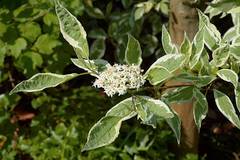
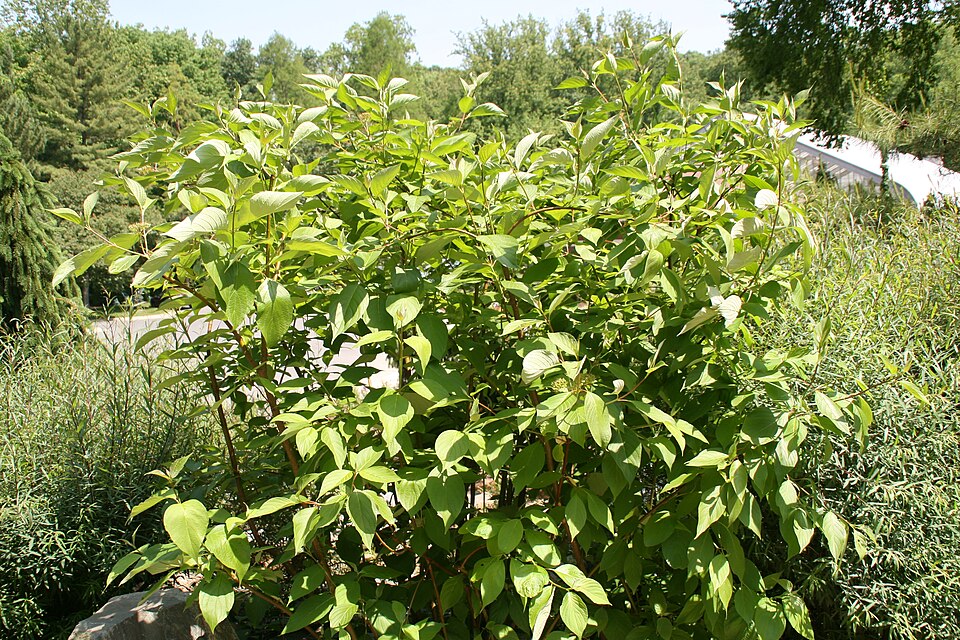
Cornus sericea 'Baileyi' is a vigorous upright to vase-shaped deciduous shrub in the dogwood family (Cornaceae) reaching 6–10 feet (1.8–3 m) tall with a spread of 6–10 feet (1.8–3 m). This North American native cultivar carries dark red to maroon-red winter stems that read darker and more uniformly red than the species type. Stem color is most vivid on young first- and second-year wood, and coppicing on a 1–2 year cycle maintains the supply of colored stems. Unlike C. alba cultivars and many other C. sericea selections, 'Baileyi' does not spread aggressively by stolons or layering — the cultivar forms an upright non-suckering clump that holds its position in a mixed border rather than colonizing the surrounding ground. Leaves are ovate 2–5 inches (5–13 cm) long, medium to dark green, turning reddish in fall. Flat-topped cymes 1.5–2 inches (4–5 cm) across of creamy-white flowers open in May–June, followed by small white berries (drupes) in late summer. Growth rate is fast. Hardy to zone 2, among the cold-hardiest ornamental shrubs in North American cultivation. The non-suckering habit is the primary advantage over the species type; pure C. sericea spreads aggressively by stolons and ground-layering, which makes it unsuited to mixed borders despite the red stem display.
Native Range
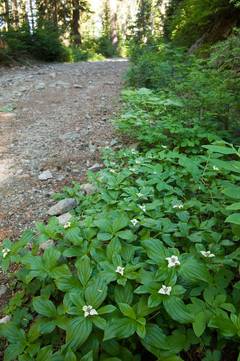
The species Cornus sericea is native to North America, from Alaska to Newfoundland and south to Mexico, where it grows in moist lowlands, stream margins, bogs, and swamps. The cultivar 'Baileyi' was selected for its non-suckering habit and the deeper red winter stem color.Suggested Uses
Grown in mass groupings, winter gardens, rain gardens, and mixed borders at 4–6 foot (1.2–1.8 m) spacing. The non-suckering habit suits mixed borders where the pure C. sericea species would overrun neighboring plants within a few seasons. Wet-site positions including stream edges, bioswales, and rain gardens match the species swamp-origin habitat preferences. Pairing with 'Flaviramea' (yellow stems), 'Kesselringii' (black stems), and 'Midwinter Fire' (gradient stems) builds a multi-colored winter stem composition that contrasts the red, yellow, black, and gradient color patterns across the genus. Informal hedging works at 4 foot spacing, though the coppicing cycle required for stem color makes this cultivar less suited to formal clipped hedging. The white berries against dark red stems create a secondary summer-to-fall ornamental window.How to Identify
Appearance
Size & Dimensions
Height6' - 10'
Width/Spread6' - 10'
Bloom Information
Flat-topped cymes 1.5–2 inches (4–5 cm) across of small creamy-white flowers open in May–June on the previous season's wood. Small white berries (drupes) ripen in late summer. Bloom duration is 2–3 weeks. White berries against dark red stems create a summer-to-fall color contrast that extends the ornamental season beyond the winter stem display.
Detailed Descriptions
Flower Description
Creamy-white in flat-topped cymes 1.5-2 inches acrossFoliage Description
Medium to dark green, ovate 2-5 inches long; reddish in fallGrowing Conditions
Sun Requirements
Requires 4-10 hours of direct sunlight daily
• Full Sun: 6+ hours of direct sunlight
• Partial Shade: 3-6 hours of direct sunlight
• Full Shade: Less than 3 hours of direct sunlight
Care & Maintenance
Care Guide
Grows in full sun to partial shade in average to moist soil at pH 5.5–7.5, tolerating loam and clay. Hardy to zone 2. Wet conditions and periodic flooding are tolerated, reflecting the species swamp-and-streamside native habitat. Full sun produces the darkest red winter stem color. The non-suckering habit separates this cultivar from the species type and makes it manageable in mixed borders where pure C. sericea would colonize the surrounding ground within 3–5 years. Coppicing every 1–2 years in early spring maintains young wood with the deepest red coloring. Road-salt tolerance extends the planting range to parkway and driveway positions. No serious pest or disease problems.Pruning
Coppice in early March: cut all stems to 6–12 inches (15–30 cm) above ground every 1–2 years for the darkest winter stem color. An alternative renewal pattern removes one-third of the oldest stems annually for a less drastic transition that maintains some mature framework. First- and second-year wood carries the deepest red; stems 3 or more years old lose vivid color and turn grayish.Pruning Schedule
Prune: March
early spring