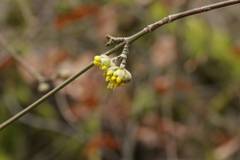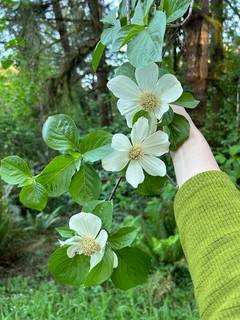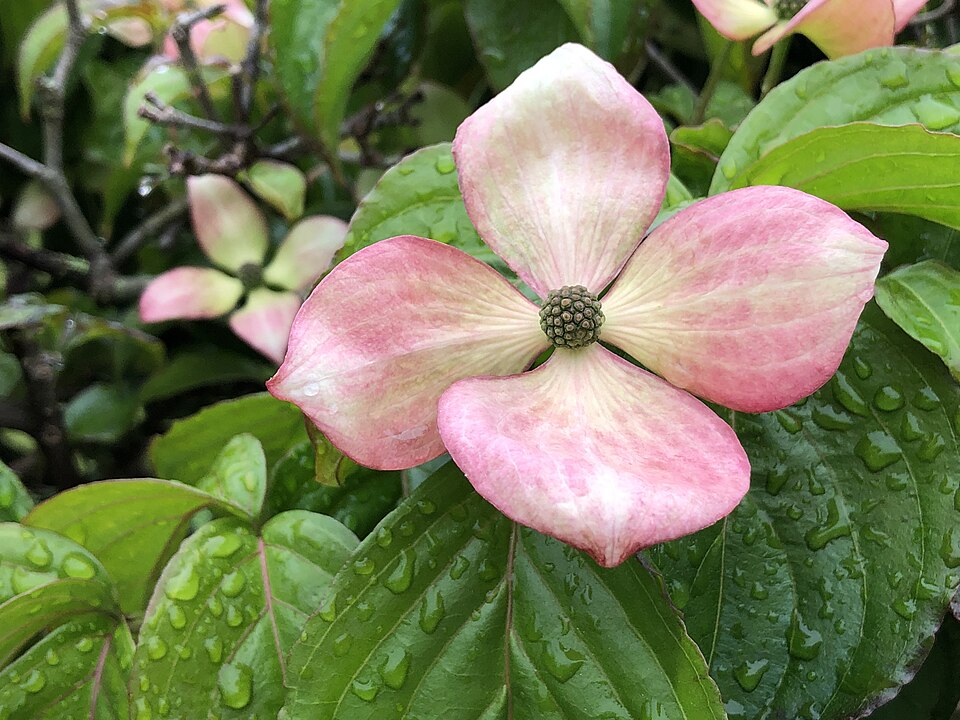
Cornus, Genus, kousa, Species, 'Satomi', Cultivar,
- Genus & species
- Cultivar
Satomi kousa dogwood
Species native to Japan, Korea, China; cultivar selected in Japan
Overview
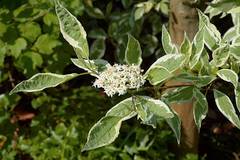
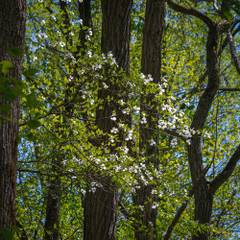
Cornus kousa 'Satomi' (also sold as 'Miss Satomi') is a small to medium, vase-shaped to rounded, deciduous tree reaching 15–25 feet (4.5–7.5 m) tall with a spread of 15–25 feet (4.5–7.5 m). This cultivar produces showy, four-bracted flower heads 3–4 inches (8–10 cm) across with deep rose-pink bracts in June–July—one of the deepest pink kousa selections. The bract color is variable and influenced by light and temperature: deepest pink in partial shade and cool weather, fading toward lighter pink in hot sun. The bracts appear after the leaves are fully expanded, creating a layered display of pink bracts above green foliage. Leaves are ovate, 2–4 inches (5–10 cm) long, dark green, turning red to reddish-purple in fall. Red, raspberry-like compound fruit 0.75–1 inch (2–2.5 cm) ripen in September–October. The bark exfoliates with age, developing a mottled mosaic of tan, gray, and brown. Growth rate is moderate at 8–12 inches (20–30 cm) per year. Resistant to dogwood anthracnose. The pink bract color may not develop fully in hot climates.
Native Range
The species Cornus kousa is native to Japan, Korea, and China, occurring in mountain forests and woodland margins. 'Satomi' was selected in Japan.Suggested Uses
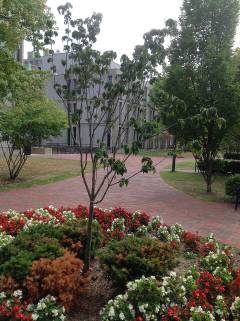
Planted as a specimen tree in front yards, mixed borders, and courtyard gardens at 10–15 foot (3–4.5 m) spacing. The pink bracts provide a rare color among dogwoods. Functions as a patio tree where the exfoliating bark is visible at close range. The later bloom (June–July) extends dogwood season after C. florida finishes. Pair with white-bracted kousa for color contrast. The raspberry-like fruit is edible (sweet but gritty) and feeds birds. Multi-season interest from pink bracts, dark green foliage, fall color, exfoliating bark, and red fruit.How to Identify
Appearance
Size & Dimensions
Height15' - 25'
Width/Spread15' - 25'
Bloom Information
Showy, four-bracted flower heads 3–4 inches (8–10 cm) across with deep rose-pink bracts appear in June–July, 2–3 weeks after leaves are fully expanded. Red, raspberry-like compound fruit ripen September–October. Bloom duration is 3–4 weeks. Bract color deepens in cool weather and partial shade.
Detailed Descriptions
Flower Description
Deep rose-pink bracts, 3-4 inches acrossFoliage Description
Dark green, ovate, 2-4 inches longGrowing Conditions
Sun Requirements
Requires 4-8 hours of direct sunlight daily
• Full Sun: 6+ hours of direct sunlight
• Partial Shade: 3-6 hours of direct sunlight
• Full Shade: Less than 3 hours of direct sunlight
Care & Maintenance
Care Guide
Plant in full sun to partial shade in moist, well-drained, slightly acidic soil. Partial shade in hot climates maintains the deepest pink bract color and prevents fading. Consistent moisture during establishment. Resistant to dogwood anthracnose (Discula destructiva). The exfoliating bark develops on trunks 4+ inches (10+ cm) in diameter—typically after 8–10 years. Mulch root zone. No serious pest or disease problems.Pruning
Minimal pruning. Remove dead, crossing, or damaged branches in late winter. Preserve the natural vase-shaped to rounded form. Remove lower limbs gradually to expose the exfoliating bark as the tree matures.Pruning Schedule
Prune: February–March
winter