Cornus, Genus, controversa, Species, 'Variegata', Cultivar,
- Genus & species
- Cultivar
variegated giant dogwood
Species native to East Asia; cultivar selected in Japan
Overview
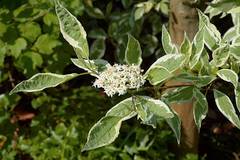
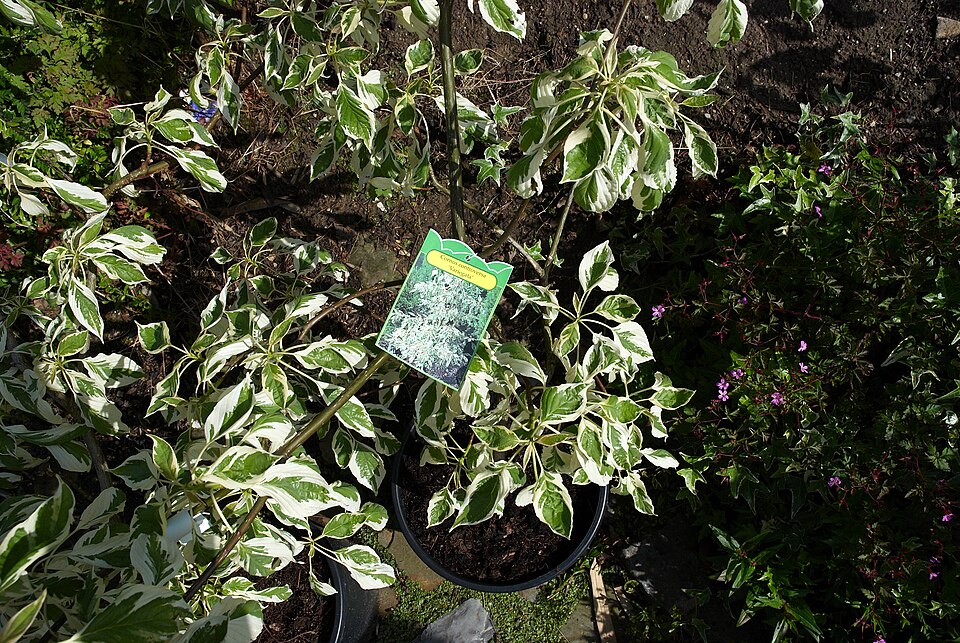
Cornus controversa 'Variegata', known as the wedding cake tree, is a medium, horizontally branched, deciduous tree reaching 20–30 feet (6–9 m) tall with a spread of 15–25 feet (4.5–7.5 m). The cultivar combines the tiered, layered branching of the species with brightly variegated foliage. Leaves are ovate, 3–5 inches (8–13 cm) long, bright green with broad, irregular creamy-white margins. Variegated foliage on flat, horizontal tiers creates a layered, luminous effect that gave the tree its common name. The cultivar is smaller and slower-growing than 'June Snow' (20–30 feet / 6–9 m versus 25–40 feet / 7.5–12 m) because the reduced chlorophyll in the white-margined foliage limits photosynthetic capacity. Growth rate is slow at 6–10 inches (15–25 cm) per year. Flat-topped cymes of creamy-white flowers open in June; blue-black drupes on red pedicels follow in late summer. Fall color is muted on variegated leaves compared with solid-green cultivars. The slow growth and specialty-tree status place this among the higher-priced nursery trees; a 6-foot (1.8 m) specimen typically costs 3–5× the price of a similar-sized solid-green dogwood. Leaf scorch develops on the white margins in hot, exposed sites. Green-reverted shoots are removed as they appear, since reverted growth is more vigorous and will dominate the crown within 2–3 seasons if left in place.
Native Range
Cornus controversa is native to East Asia—Japan, China, Korea, and the Himalayas. 'Variegata' was selected in cultivation in Japan.Suggested Uses
Planted as a specimen tree in gardens, courtyards, and estates at 12–18 foot (3.6–5.5 m) spacing. The wedding-cake silhouette with variegated foliage anchors mixed plantings as a single-specimen feature. Functions in sheltered courtyard plantings and woodland gardens where high shade prevents leaf scorch. The slow growth and smaller mature size make this more manageable than 'June Snow' in residential gardens. Hot, dry, exposed sites, windy locations, and formal hedging are unsuitable given the variegation's sensitivity and the layered form's incompatibility with shearing.How to Identify
Appearance
Size & Dimensions
Height20' - 30'
Width/Spread15' - 25'
Bloom Information
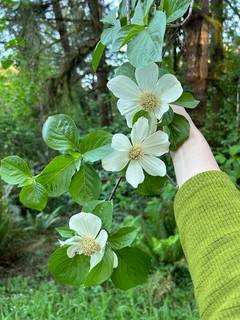
Flat-topped cymes of creamy-white flowers open in June on the horizontal branch tiers. Blue-black drupes on red pedicels ripen in late summer (August–September). Bloom duration is 2–3 weeks. The flowers are less prominent against the white-margined foliage than on the solid-green species, since the white background reduces the visual contrast.
Detailed Descriptions
Flower Description
Creamy-white in flat-topped cymesFoliage Description
Bright green with broad creamy-white marginsGrowing Conditions
Sun Requirements
Requires 4-8 hours of direct sunlight daily
• Full Sun: 6+ hours of direct sunlight
• Partial Shade: 3-6 hours of direct sunlight
• Full Shade: Less than 3 hours of direct sunlight
Care & Maintenance
Care Guide
Plant in partial shade to full sun in moist, well-drained, slightly acidic soil. Partial shade prevents leaf scorch on the white margins; full sun is tolerated only in cool maritime climates such as coastal Pacific Northwest and British Isles. Hot afternoon sun and drying winds cause scorch on the white margins and should be avoided by siting on the east or north side of buildings, or under high shade from taller deciduous trees. Consistent moisture is the single most limiting cultural requirement—drought stress causes leaf scorch and early leaf drop. Very slow growth requires patience; mature size is reached at 20–25 years. All-green reverted shoots are removed immediately as they appear, since reverted growth outcompetes variegated growth and will dominate within 2–3 seasons. No other serious pest or disease problems in most regions.Pruning
Minimal pruning. Dead or damaged branches are removed in late winter. Any all-green reverted shoots are removed promptly throughout the growing season at the point of origin. The natural layered branching is preserved through selective thinning rather than shearing.Pruning Schedule
Prune: February–March
winter