Image 1 of 19
1 / 19
Plant Reference
Cornus, Genus, kousa, Species,
- Genus & species
kousa dogwood
Japan, Korea, central China; mountain forests at low to mid-elevations
Overview
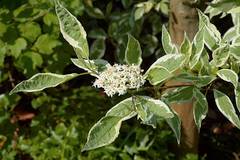
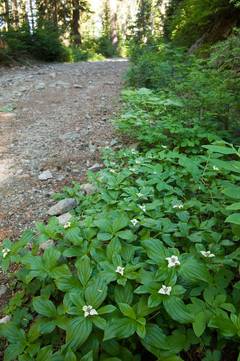
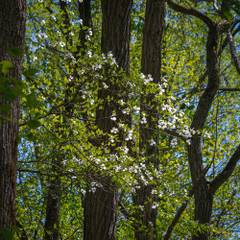
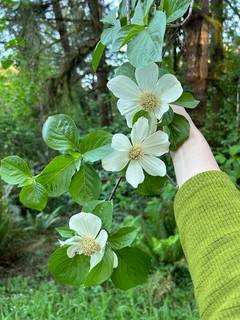
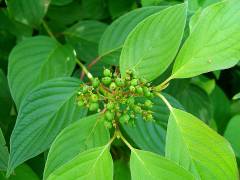
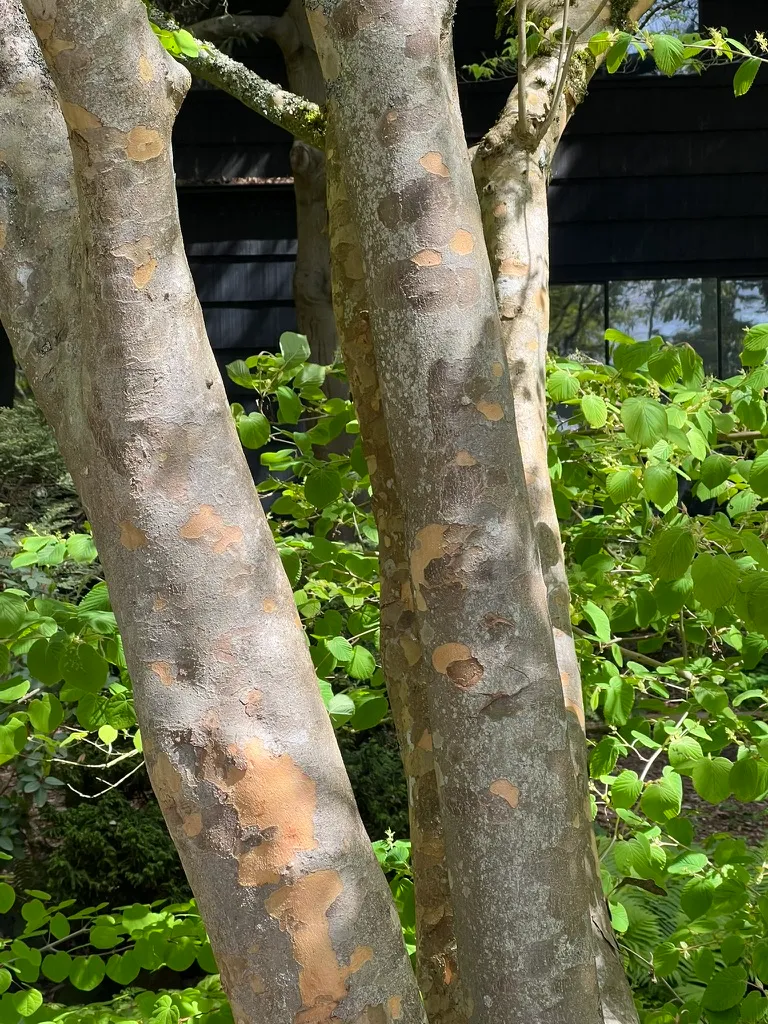
Cornus kousa is kousa dogwood (Chinese dogwood), a deciduous tree growing 15-30 feet (4.5-9 m) tall and 15-30 feet (4.5-9 m) wide with layered horizontal branching. Four white (or pink) pointed bracts 2-4 inches (5-10 cm) across surrounding tiny green true flowers in May-June — blooms 3-4 weeks after C. florida. The pointed bracts (not notched) distinguish C. kousa from C. florida. Dark green ovate leaves 2-4 inches (5-10 cm) with arcuate venation. Turns red, scarlet, and purple in fall. Raspberry-like compound red fruit 0.75-1 inch (2-2.5 cm) in September-October — edible with a custard-like texture, though seedy. In Cornaceae. Native to Japan, Korea, central China. Resistant to dogwood anthracnose (Discula destructiva) — the primary advantage over C. florida. The exfoliating mottled bark (tan, gray, brown) develops on mature trees after 10+ years — young trees have smooth bark. This slow bark development is the primary waiting limitation. Prefers acidic soil (pH 5.5-6.5) — iron chlorosis in alkaline conditions. Drought-tolerant once established. Non-toxic. Zones 5-9. Full sun to partial shade. Growth rate is slow to moderate.
Native Range
Native to Japan, Korea, and central China. Found in mountain forests at low to mid-elevations.Suggested Uses
Grown as a specimen tree, understory tree, and patio tree spaced 15-30 feet (4.5-9 m). Anthracnose-resistant alternative to C. florida. Pointed white bracts. Edible fruit. Exfoliating bark at maturity. Non-toxic. Zones 5-9.How to Identify
Appearance
Size & Dimensions
Height15' - 30'
Width/Spread15' - 30'
Bloom Information
Late spring to early summer (May-June). Four white (or pink) pointed bracts 2-4 inches (5-10 cm) surrounding tiny green true flowers. 4 weeks of bloom — longer than C. florida (3 weeks). Bee- and butterfly-pollinated. Raspberry-like red fruit ripen September-October.
Detailed Descriptions
Flower Description
Four white (or pink in some cultivars) pointed bracts 2-4 inches (5-10 cm) across surrounding a tight cluster of tiny green true flowers; the bracts are pointed (not notched like C. florida)Foliage Description
Dark green, ovate, prominently veined with arcuate venation, 2-4 inches (5-10 cm) long; turns red, scarlet, and purple in fallGrowing Conditions
Sun Requirements
Requires 4-8 hours of direct sunlight daily
• Full Sun: 6+ hours of direct sunlight
• Partial Shade: 3-6 hours of direct sunlight
• Full Shade: Less than 3 hours of direct sunlight
Care & Maintenance
Care Guide
Full sun to partial shade (4-8 hours). Well-drained acidic soil pH 5.5-6.5 — iron chlorosis in alkaline conditions. Drought-tolerant once established. Resistant to dogwood anthracnose. Prune after flowering in summer. The layered branching develops with age. Deer browse foliage. Non-toxic. Zones 5-9.Pruning
Prune after flowering in summer (June-August). Remove dead, crossing, or damaged branches. The layered horizontal branching is the natural form — do not alter. Limb up the lower canopy if a tree form is required (vs. the natural multi-stemmed shrub-like form).Pruning Schedule
Prune: June–August
summer