Image 1 of 19
1 / 19
Plant Reference
Cornus, Genus, florida, Species,
- Genus & species
eastern dogwood
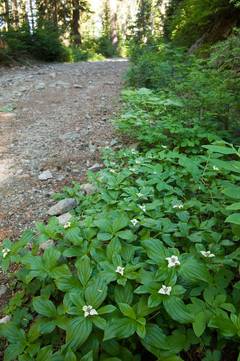
Eastern North America — Maine to Florida, west to Kansas and Texas; understory tree in mixed hardwood forests
Overview
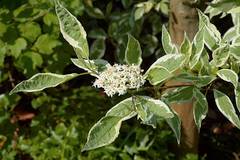
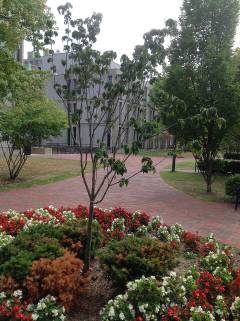
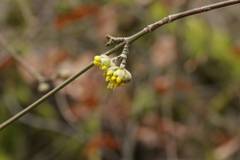
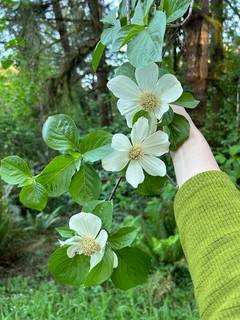
Cornus florida is eastern dogwood (flowering dogwood), a small deciduous tree growing 15-25 feet (4.5-7.5 m) tall and 15-25 feet (4.5-7.5 m) wide with layered horizontal branching. Four white (or pink in f. rubra) petal-like bracts 3-4 inches (7-10 cm) across with notched tips, surrounding tiny yellow-green true flowers in April-May. Medium to dark green ovate leaves 3-5 inches (7-13 cm) with arcuate venation. Turns red, scarlet, and purple in fall. Clusters of glossy red drupes 0.4 inch (10 mm) in September-October. In Cornaceae. Native to eastern North America — understory in mixed hardwood forests. Dogwood anthracnose (Discula destructiva) is the primary disease limitation — causes leaf spots, twig dieback, and mortality; most severe in cool, wet, shaded sites. Anthracnose has significantly reduced wild C. florida populations since the 1980s. Powdery mildew and dogwood borer also affect stressed trees. Not drought-tolerant — leaf scorch in dry conditions. Prefers morning sun with afternoon shade in zones 7-9. C. × rutgersensis (Rutgers hybrids) are anthracnose-resistant alternatives. Non-toxic. Zones 5-9. Part shade to full sun. Growth rate is slow to moderate.
Native Range
Native to eastern North America — Maine to Florida, west to Kansas and Texas. Found as an understory tree in mixed hardwood forests.Suggested Uses
Grown as a specimen tree, understory tree, and woodland edge planting spaced 15-25 feet (4.5-7.5 m). Spring bracts. Red fall foliage. Glossy red fruit. Layered branching. Native to eastern North America. Anthracnose-susceptible — consider Rutgers hybrids for resistant alternatives. Non-toxic. Zones 5-9.How to Identify
Appearance
Size & Dimensions
Height15' - 25'
Width/Spread15' - 25'
Bloom Information
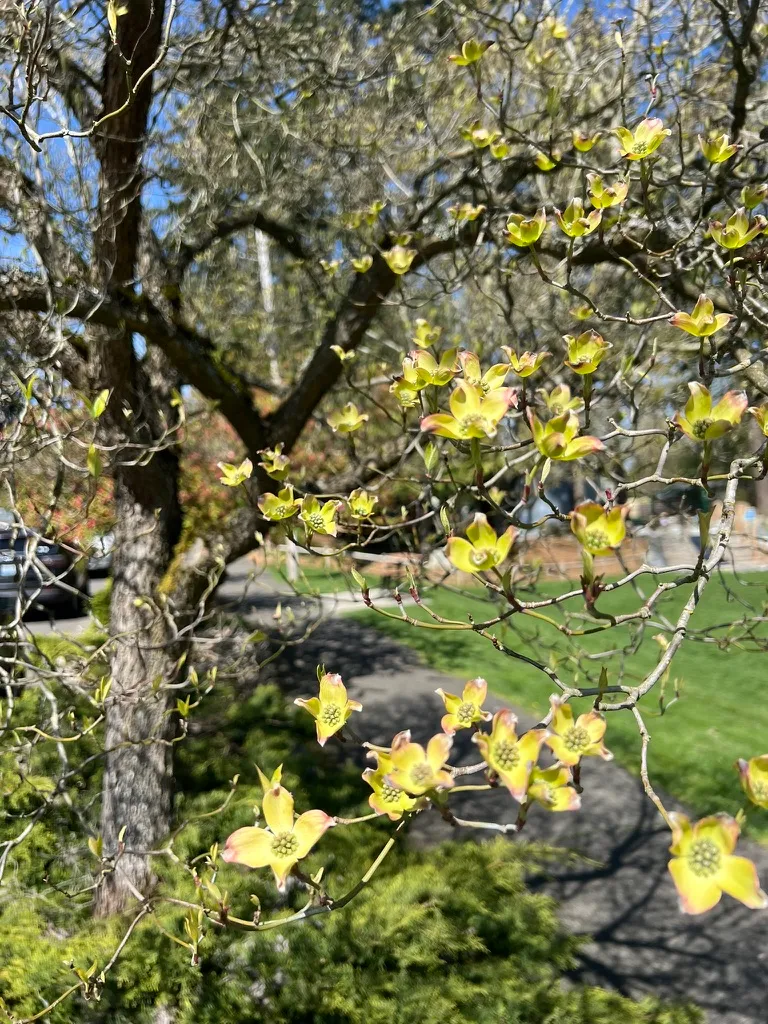
Mid spring (April-May). Four white (or pink) petal-like bracts 3-4 inches (7-10 cm) with notched tips surrounding tiny yellow-green true flowers. 3 weeks of bloom. Bee- and butterfly-pollinated. Clusters of glossy red drupes ripen September-October.
Detailed Descriptions
Flower Description
Four white (or pink in f. rubra) petal-like bracts 3-4 inches (7-10 cm) across, notched at the tip, surrounding a tight cluster of tiny yellow-green true flowersFoliage Description
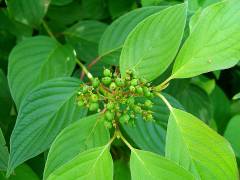
Medium to dark green, ovate, prominently veined with arcuate venation, 3-5 inches (7-13 cm) long; turns red, scarlet, and purple in fallGrowing Conditions
Sun Requirements
Requires 4-8 hours of direct sunlight daily
• Full Sun: 6+ hours of direct sunlight
• Partial Shade: 3-6 hours of direct sunlight
• Full Shade: Less than 3 hours of direct sunlight
Care & Maintenance
Care Guide
Part shade to full sun (4-8 hours — morning sun with afternoon shade in zones 7-9). Well-drained acidic soil pH 5.5-6.5. Not drought-tolerant — supplemental water during dry periods. Dogwood anthracnose is most severe in cool wet shaded sites — maintain air circulation. Prune after flowering (May-June). Deer browse foliage. Non-toxic. Zones 5-9.Pruning
Prune after flowering (May-June). Remove dead, crossing, or diseased branches. The layered horizontal branching is the natural form — do not alter. Remove any branches showing anthracnose symptoms (dieback, cankers) and disinfect tools between cuts.Pruning Schedule
Prune: May–June
late spring