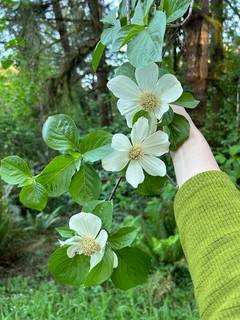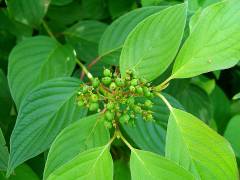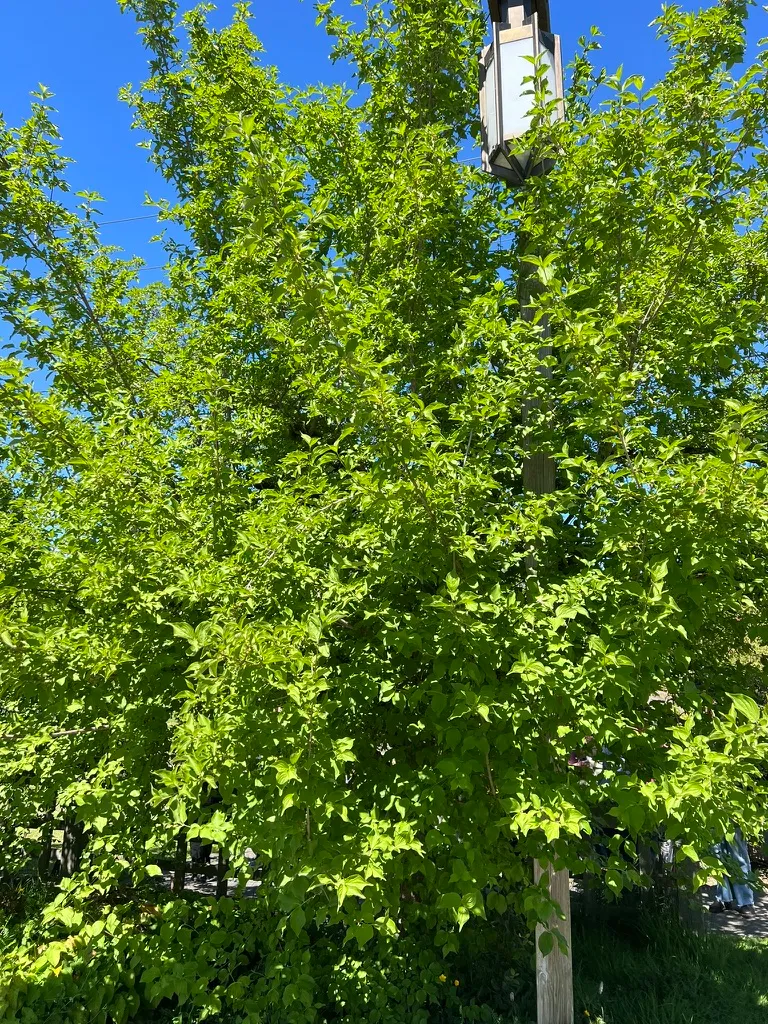
Image 1 of 25
1 / 25
Plant Reference
Cornus, Genus, mas, Species,
- Genus & species
cornelian cherry
Central and southeastern Europe, Caucasus, western Asia; forest margins, rocky slopes, and hedgerows
Overview
Cornus mas is Cornelian cherry (Cornelian cherry dogwood), a small deciduous tree or large shrub growing 15-25 feet (4.5-7.5 m) tall and 12-20 feet (3.6-6 m) wide. Tiny yellow flowers 0.15 inch (4 mm) in rounded umbels 0.75 inch (2 cm) on bare branches in February-March — among the first trees to bloom, 2-4 weeks before forsythia. Dark green ovate leaves 2-4 inches (5-10 cm) with arcuate venation. Oblong cherry-like red drupes 0.5-0.75 inch (1.3-2 cm) ripen in August-September — edible when fully ripe (tart, used for preserves and syrups in Eastern European and Middle Eastern cuisine). In Cornaceae. Native to southeastern Europe, Caucasus, western Asia. Tolerates alkaline soil (pH to 8.0) — unlike most dogwoods. Resistant to dogwood anthracnose — no significant disease or pest problems. Cross-pollination from a second tree within 100 feet (30 m) improves fruit set. Slow-growing: 12-18 inches (30-45 cm) per year. This slow growth rate is the primary limitation. Fall color is variable and often unremarkable (yellow to reddish-purple). Exfoliating gray-brown bark on older trunks. Deer-resistant. Drought-tolerant once established. Non-toxic. Zones 4-8. Full sun to partial shade. Growth rate is slow.
Native Range
Native to central and southeastern Europe, the Caucasus, and western Asia. Found on forest margins, rocky slopes, and hedgerows.Suggested Uses
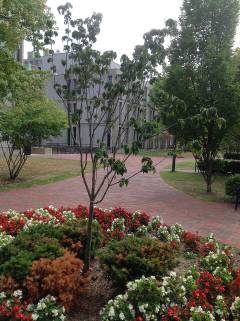
Grown as a specimen tree, multi-stemmed shrub, formal hedge (tolerates shearing), and fruit-producing tree spaced 12-20 feet (3.6-6 m). Late winter bloom. Edible fruit. Tolerates alkaline soil. Anthracnose-resistant. Deer-resistant. Non-toxic. Zones 4-8.How to Identify
Appearance
Size & Dimensions
Height15' - 25'
Width/Spread12' - 20'
Bloom Information
Late winter to early spring (February-March). Yellow tiny flowers 0.15 inch (4 mm) in rounded umbels 0.75 inch (2 cm) on bare branches. 3 weeks of bloom — among the first trees to bloom. Bee-pollinated. Oblong cherry-like red drupes ripen August-September.
Detailed Descriptions
Flower Description
Yellow, tiny, 0.15 inch (4 mm), in rounded umbels 0.75 inch (2 cm) diameter on bare branches before leaf emergenceFoliage Description
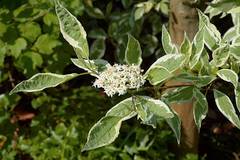
Dark green, ovate with arcuate venation, 2-4 inches (5-10 cm) long; turns yellow to reddish-purple in fall — fall color is variable and often unremarkableGrowing Conditions
Sun Requirements
Requires 4-8 hours of direct sunlight daily
• Full Sun: 6+ hours of direct sunlight
• Partial Shade: 3-6 hours of direct sunlight
• Full Shade: Less than 3 hours of direct sunlight
Care & Maintenance
Care Guide
Full sun to partial shade (4-8 hours). Well-drained soil pH 5.5-8.0 — one of few dogwoods that tolerates alkaline soil. Drought-tolerant once established. Cross-pollinate with a second tree for fruit. Prune after flowering (April-May) — blooms on old wood. No significant diseases. Deer-resistant. Non-toxic. Zones 4-8.Pruning
Prune after flowering (April-May) — blooms on old (previous season's) wood. Can be trained as a single-trunk tree or left as a multi-stemmed large shrub. Remove crossing or damaged branches. Tolerates shearing for formal hedges — the dense branching takes shaping.Pruning Schedule
Prune: April–May
late spring