Cornus, Genus, spp., Multiple species,
- Genus
- Multiple species
dogwoods
Temperate Northern Hemisphere (North America, Europe, and eastern Asia)
Overview
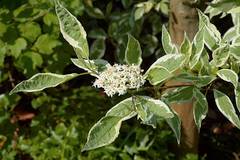
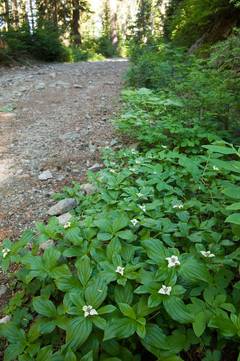
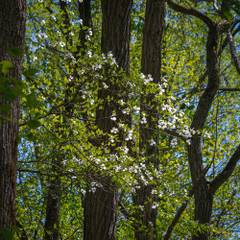
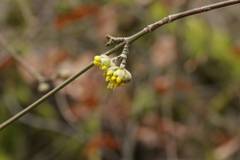
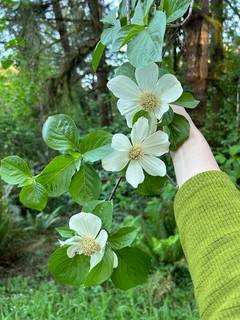
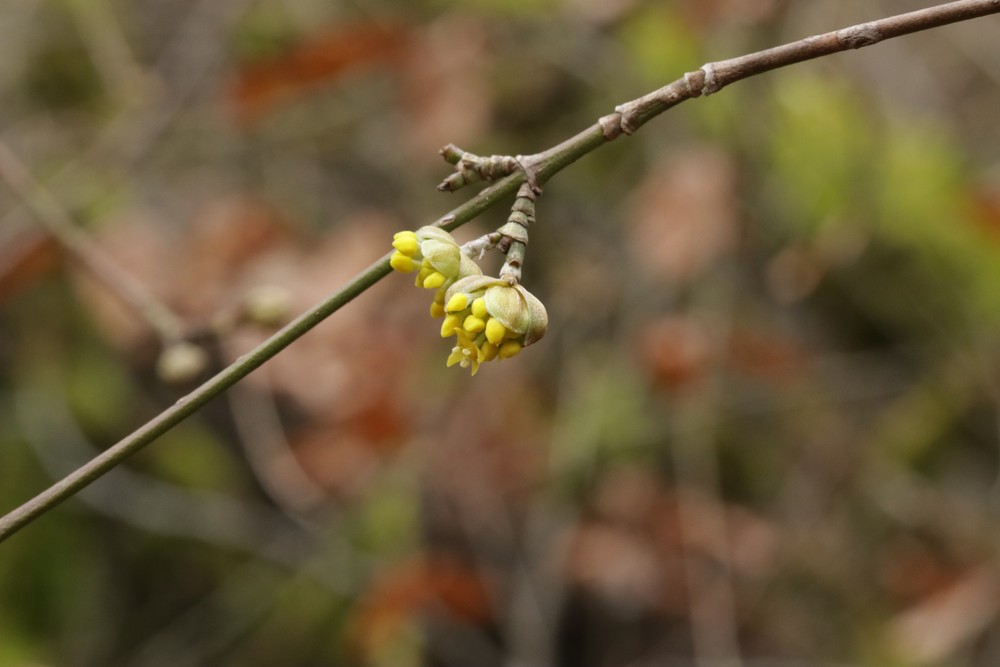
Cornus is a genus of about 30 to 60 species in the Cornaceae family, ranging from low groundcovers and multi-stemmed shrubs to small understory trees, most of them deciduous. The genus is centered in the temperate Northern Hemisphere and includes flowering dogwood (C. florida), kousa dogwood (C. kousa), the red- and yellow-stemmed shrub dogwoods, and the creeping bunchberry (C. canadensis). Leaves are usually opposite, oval, and marked by curving veins that follow the leaf edge, a reliable feature of the genus, and many turn red to purple in fall. The true flowers are small and clustered; in some species four petal-like bracts surround the cluster and form the showy white or pink display, while shrub dogwoods bear flat clusters of small white flowers without large bracts. Plants stand 6 inches to 40 feet (15 cm to 12 m) tall depending on species. Fruit is a berry-like drupe, red, white, or blue, eaten by birds. Cornus florida is widely affected by dogwood anthracnose, a fungal disease that has killed many trees in eastern North America, and powdery mildew disfigures the foliage of several species in humid summers. Shrub dogwoods are grown for red or yellow winter stems that color most strongly on young growth.
Native Range
Cornus is most diverse in the temperate Northern Hemisphere across North America, Europe, and eastern Asia, with a few species in the Southern Hemisphere. North American natives include C. florida, C. sericea, C. canadensis, and C. alternifolia.Suggested Uses
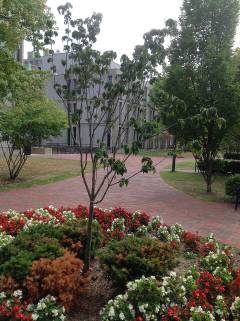
Tree species are grown as understory and specimen plants for spring bracts, fall color, and bird-attracting fruit, while shrub dogwoods are used in mass plantings and rain gardens for winter stem color. Bunchberry forms a groundcover in cool, shaded native plantings. The fruit feeds birds and the flowers draw bees and butterflies.How to Identify
Appearance
Size & Dimensions
Height6" - 40'
Width/Spread1' - 30'
Bloom Information
Most species flower from spring to early summer, roughly April to June, with bract-bearing species opening as or just before the leaves expand. The true flowers are small, but in showy species the surrounding bracts last two to four weeks. Shrub dogwoods bloom in flat white clusters in late spring. Fruit ripens from late summer into fall.
Detailed Descriptions
Flower Description
white, yellow, and pinkFoliage Description
greenGrowing Conditions
Sun Requirements
Requires 4-8 hours of direct sunlight daily
• Full Sun: 6+ hours of direct sunlight
• Partial Shade: 3-6 hours of direct sunlight
• Full Shade: Less than 3 hours of direct sunlight
Care & Maintenance
Care Guide
Plants in this genus grow in full sun to part shade and prefer moist, well-drained soil rich in organic matter at pH 5.5-7.0; flowering tree dogwoods tolerate more afternoon shade in hot climates, while shrub dogwoods tolerate wet ground. Established plants need steady moisture and suffer in prolonged drought. A loose mulch keeps the shallow roots cool and damp. Dogwood anthracnose, powdery mildew, leaf spot, and dogwood borer are the main problems, with C. florida the most disease-prone and C. kousa more resistant. Hardiness spans USDA zones 2-9 depending on species.Pruning
Prune tree dogwoods lightly after flowering to remove dead or crossing branches, since the plants need little shaping. Shrub dogwoods grown for winter stem color are cut back hard in late winter, removing about a third of the oldest stems to force bright young growth. Bunchberry and other groundcover species need no pruning.Container Growing
Suitable for container growing
Minimum container size: 5 gallons