Clematis, Genus, vitalba, Species,
- Genus & species
Traveller's joy
Europe, western Asia, northern Africa
Overview
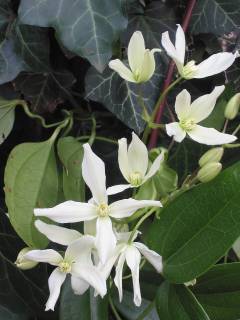
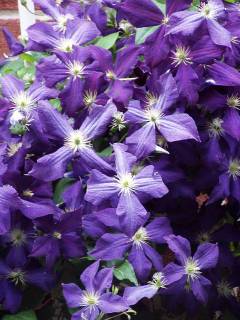
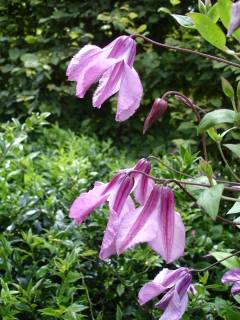
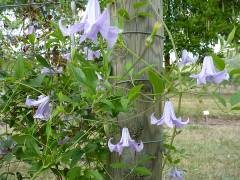
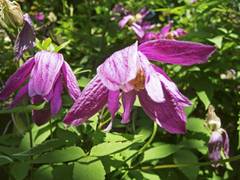
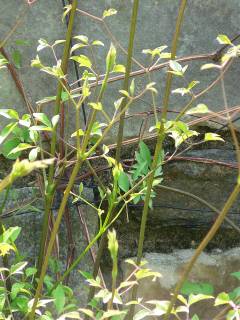
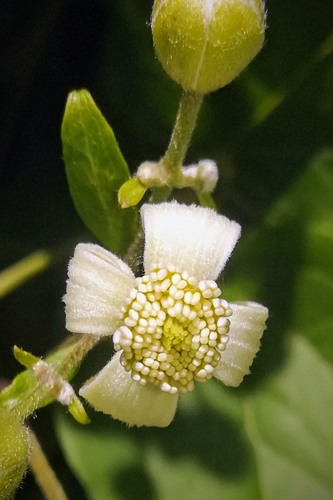
Clematis vitalba is a vigorous, semi-woody deciduous climbing vine in the buttercup family (Ranunculaceae) reaching 20-50 feet (6-15 m) in length. Stems are woody at the base, up to 4 inches (10 cm) in diameter on mature plants, with shredding bark. Young stems are green, ribbed, and climb by twining petioles. Leaves are opposite, pinnately compound with 3-5 ovate leaflets 1.5-4 inches (4-10 cm) long, with entire to coarsely toothed margins. Flowers are greenish-white to cream, 0.75 inch (18-20 mm) across, with four petal-like sepals (no true petals), borne in axillary panicles. Individual flowers have a light, sweet fragrance. Fruit is an achene with a persistent, feathery style 1-2 inches (2.5-5 cm) long, forming the silvery-white seed clusters that persist through winter and give the species its common name old man's beard. Each plant produces thousands of wind-dispersed seeds annually. All parts contain protoanemonin, which causes skin irritation on contact and gastrointestinal distress if ingested. Vines blanket trees and shrubs, adding weight that causes branch breakage and suppressing photosynthesis in the host canopy. C. vitalba is listed as a Class C noxious weed in Washington State. Stems root where they contact soil, forming new plants.
Native Range
Clematis vitalba is native to Europe, western Asia, and northern Africa, occurring in hedgerows, woodland margins, and calcareous scrubland from sea level to approximately 4,000 feet (1,200 m). Introduced to North America, New Zealand, and Australia as an ornamental, the species is naturalized in the Pacific Northwest, particularly in western Washington and Oregon, where it invades riparian corridors and forest edges.Suggested Uses
Used in invasive vine identification training for Pacific Northwest land managers. Studied in riparian restoration ecology as a canopy-smothering invasive. In its native European range, the species is a natural component of hedgerow and woodland edge communities. The feathery seed heads are used in botanical illustration and identification exercises for Ranunculaceae fruit morphology. C. vitalba is a regulated Class C noxious weed in Washington State and is not planted horticulturally in the Pacific Northwest.How to Identify
Appearance
Size & Dimensions
Height20' - 50'
Width/Spread10' - 30'
Bloom Information
Flowers appear June through August. Individual flowers open for 5-7 days. Flowering occurs on current-year growth from axillary buds along the vine. Panicles carry 20-40 flowers each, blooming sequentially over 4-6 weeks. In the Pacific Northwest, peak bloom occurs in July. Seeds mature by September and persist through winter. Flowers are pollinated by bees and flies.
Detailed Descriptions
Flower Description
Greenish-white to cream, 0.75 inch (18-20 mm), 4 petal-like sepals; light sweet fragrance; in axillary paniclesFoliage Description
Medium to dark green, pinnately compound with 3-5 ovate leaflets; leaflet margins entire to coarsely toothedGrowing Conditions
Sun Requirements
Requires 4-10 hours of direct sunlight daily
• Full Sun: 6+ hours of direct sunlight
• Partial Shade: 3-6 hours of direct sunlight
• Full Shade: Less than 3 hours of direct sunlight
Care & Maintenance
Care Guide
C. vitalba is classified as a Class C noxious weed in Washington State; management focuses on preventing establishment and removing existing infestations. Cutting vines at ground level kills above-ground growth but stimulates resprouting from root crowns and rooted stem nodes. Repeated cutting 3-4 times per growing season for 2-3 years depletes root reserves. Pulling young vines before stems become woody works if all rooted nodes are extracted. Mature vines with woody stems 2-4 inches (5-10 cm) in diameter require cutting and stump treatment. Vines left draped over trees after cutting at the base continue photosynthesizing for weeks via retained foliage. Sap causes skin irritation on contact in some individuals. Seed dispersal by wind and water makes containment difficult near riparian corridors.Pruning
Pruning is not applicable in a horticultural sense. Management involves cutting stems at ground level and removing vine material from host trees. Cutting stems in winter before leaf-out reduces the risk of host tree damage from falling vine masses. Rooted stem sections on the ground are pulled and removed, since they regenerate independently. Multiple annual cuttings deplete root reserves.Pruning Schedule
Prune: January–March
winterearly spring