Image 1 of 8
Plant Reference
1 / 8
Clematis, Genus, armandii, Species,
- Genus & species
Armand clematis
Central and western China — Sichuan, Yunnan, Guizhou, and Hubei provinces; mountain forests at 3,000-8,000 feet (900-2,400 m)
Overview
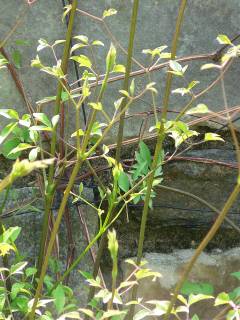
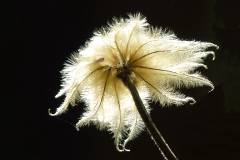
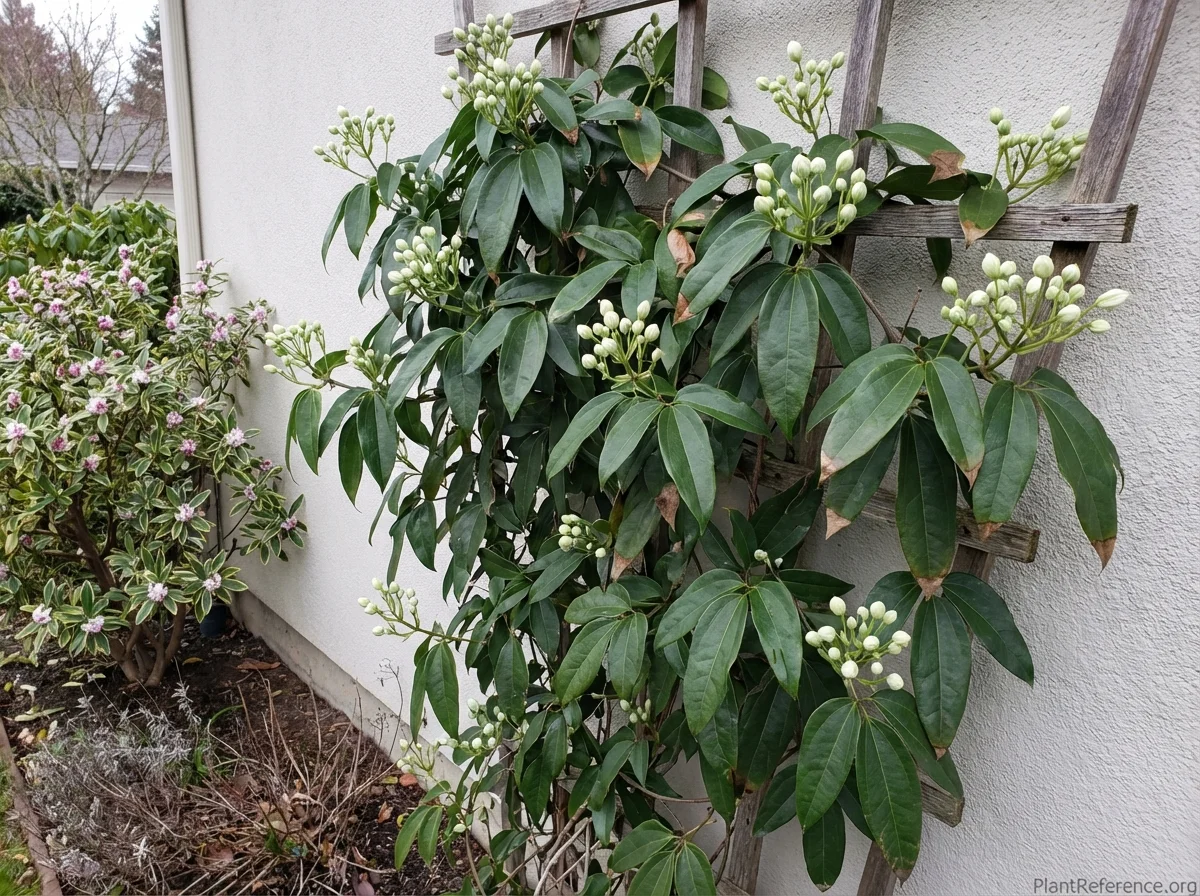
Clematis armandii is a vigorous evergreen climbing vine in the buttercup family Ranunculaceae growing 15–30 feet (4.5–9 m) tall and 6–12 feet (1.8–3.7 m) wide from a woody base that develops heavy twining stems at maturity. The species is an evergreen clematis — few members of the genus Clematis retain their foliage through winter because most species in the genus are herbaceous or deciduous vines, and the evergreen habit of C. armandii combined with the spring bloom and the vanilla-almond fragrance is the combination of characters that made the species a sought-after introduction to western horticulture after its discovery in China. The species is named after Père Armand David (1826–1900), the French Catholic missionary and naturalist who collected plants across western China in the 1860s and 1870s and who first introduced the species to European botanical collections — David's name is also attached to Davidia involucrata (the handkerchief tree) and to the giant panda (Ailuropoda melanoleuca) that he described for western science. Leaves are dark glossy green on the upper surface and paler beneath, trifoliate with 3 lance-shaped leathery leaflets 3–6 inches (7–15 cm) long on each leaf, and held through the full year as a dense evergreen canopy. White flowers 2–2.5 inches (5–6 cm) across carrying 4–6 showy sepals (clematis flowers are built from colored sepals rather than true petals) open in axillary clusters of 5–15 along the previous year's stems in March and April across a 3–4 week bloom period, and the flowers carry a strong vanilla-almond fragrance that is detectable at several feet from the vine. Silvery feathery seed heads develop from the spent flowers and supply a secondary ornamental display through late spring and summer. The vine is one of the earliest clematis to bloom each year, opening before the deciduous large-flowered hybrids and before most of the other spring-flowering climbers. Limitation: the vine becomes heavy and woody with age, and the combined weight of mature stems and the dense evergreen canopy calls for a robust support structure — a substantial pergola, heavy-duty trellis, or a large established tree — because lightweight trellises and wires fail under the weight of a mature plant, and this support requirement is the main structural consideration when siting the vine. The species is hardy to approximately 5 °F (−15 °C) but the evergreen foliage is damaged by sustained freezes below 15 °F (−9 °C) in zone 7 before the vine recovers from the woody stems in spring. Pruning Group 1 — the species blooms on the previous year's wood, and pruning is done immediately after flowering (April or May) to remove spent flowering stems and thin congested growth, with no further pruning done until the following year to preserve the buds that form on the current season's growth for next year's bloom. All parts contain protoanemonin — toxic to cats and dogs if ingested. Deer browse the foliage. Native to central and western China (Sichuan, Yunnan, Guizhou, and Hubei provinces), growing in mountain forests at 3,000–8,000 feet (900–2,400 m) elevation. Not drought-tolerant.
Native Range
Native to central and western China — Sichuan, Yunnan, Guizhou, and Hubei provinces — growing in mountain forests at 3,000–8,000 feet (900–2,400 m) elevation. The species was first collected by Père Armand David during his plant-hunting expeditions across western China in the 1860s and 1870s and was introduced to European horticulture through the Paris Natural History Museum in the late 19th century. The cool wet summers and mild winters of the species' native montane forest range match the climate of zone 7 through zone 9 in western maritime and southeastern temperate gardens where the vine is cultivated outdoors.Suggested Uses
Used on substantial pergolas, arbors, heavy-duty trellises, large established trees, and reinforced walls in USDA zones 7 through 9 at 6–12 foot (1.8–3.7 m) spacing between plants for continuous coverage. The strongly fragrant early spring bloom, the year-round dark glossy evergreen foliage, and the silvery summer seed heads carry the vine through three seasons of ornamental interest, and the vanilla-almond fragrance of the spring flowers is the main reason for siting the vine near walkways, patios, entry arches, and seating areas where the scent is accessible to visitors. Lightweight trellises and wire supports, cold-exposed positions in USDA zones 6 and colder, and gardens where cat or dog access to the foliage is a concern are unsuitable because of the vine's mature weight, the cold damage below 15 °F (−9 °C), and the protoanemonin toxicity.How to Identify
Appearance
Size & Dimensions
Height15' - 30'
Width/Spread6' - 12'
Bloom Information
White flowers 2–2.5 inches (5–6 cm) across carrying 4–6 showy sepals open in axillary clusters of 5–15 along the previous year's stems in March and April across a 3–4 week bloom period. The flowers are among the earliest clematis to bloom each year, opening before the deciduous large-flowered hybrids and before most of the other spring-flowering climbers. Honeybees and native solitary bees work the flowers for nectar during the spring bloom. Silvery feathery seed heads develop from the spent flowers and supply a secondary ornamental display through late spring and summer.
Detailed Descriptions
Flower Description
white in the species type and pink-tinged in the cultivar 'Apple Blossom'; 2-2.5 inches (5-6 cm) across, with 4-6 sepals (clematis flowers carry showy sepals rather than true petals); carried in axillary clusters of 5-15 along the previous year's stems; the flowers are strongly fragrant with a vanilla-almond scent that is detectable at several feet from the vineFoliage Description
dark glossy green on the upper surface and paler beneath; trifoliate leaves with 3 lance-shaped leathery leaflets 3-6 inches (7-15 cm) long each; evergreen year-round in zones 8 and 9, with the foliage drooping and browning in sustained freezes below 15°F (-9°C) in zone 7 before recovering in springGrowing Conditions
Sun Requirements
Requires 4-8 hours of direct sunlight daily
• Full Sun: 6+ hours of direct sunlight
• Partial Shade: 3-6 hours of direct sunlight
• Full Shade: Less than 3 hours of direct sunlight
Care & Maintenance
Care Guide
Site in part shade to full sun with 4–8 hours of direct sun per day, following the standard clematis rule of cool shaded roots with sun on the upper growth — mulch over the root zone or low companion plantings shade the root area while the vine climbs up into brighter conditions. Well-drained loam or sandy soil with a pH of 6.0–7.5 holds the root system through all seasons. The species is not drought-tolerant and calls for consistent moisture through the growing season, especially during the establishment period and during summer dry spells. A robust support structure is a cultural requirement — substantial pergolas, heavy-duty trellises, or large established trees carry the weight of the mature woody vine, and lightweight trellises and wires fail under the weight at maturity. Pruning Group 1 — pruning is done immediately after flowering (April or May) because the vine blooms on the previous year's wood and later-season pruning removes the buds that will produce next year's flowers. All parts contain protoanemonin — toxic to cats and dogs if ingested. Deer browse the foliage. Hardy in USDA zones 7–9.Pruning
Pruning is done immediately after flowering (April or May) because the species belongs to Pruning Group 1 and blooms on the previous year's wood — later-season pruning removes the buds that will produce next year's flowers and reduces or eliminates the following spring's bloom. The post-bloom pruning operation removes spent flowering stems and thins congested or tangled growth, and the cuts are made back to healthy buds on the main stems. Heavy renovation pruning (cutting the vine back hard to the woody framework) is tolerated when the vine has outgrown its support but the full bloom recovery takes 2 growing seasons after a hard renovation cut.Pruning Schedule
Prune: April–May
late spring