Image 1 of 23
1 / 23
Plant Reference
Clematis, Genus, spp., Multiple species,
- Genus
- Multiple species
clematis
Worldwide temperate regions — approximately 300 species across North America, Europe, Asia, and Australasia
Overview
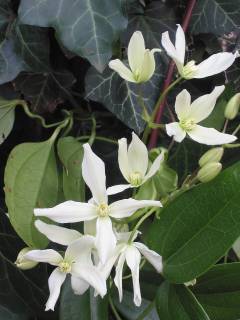
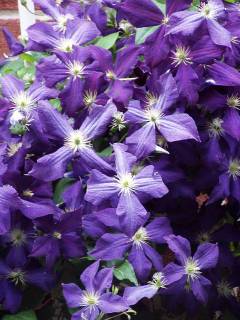
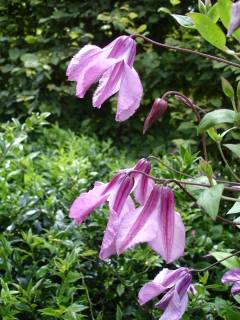
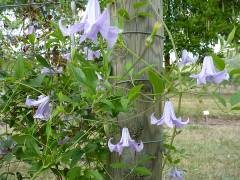
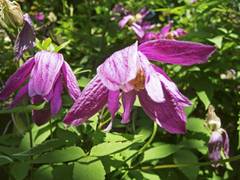
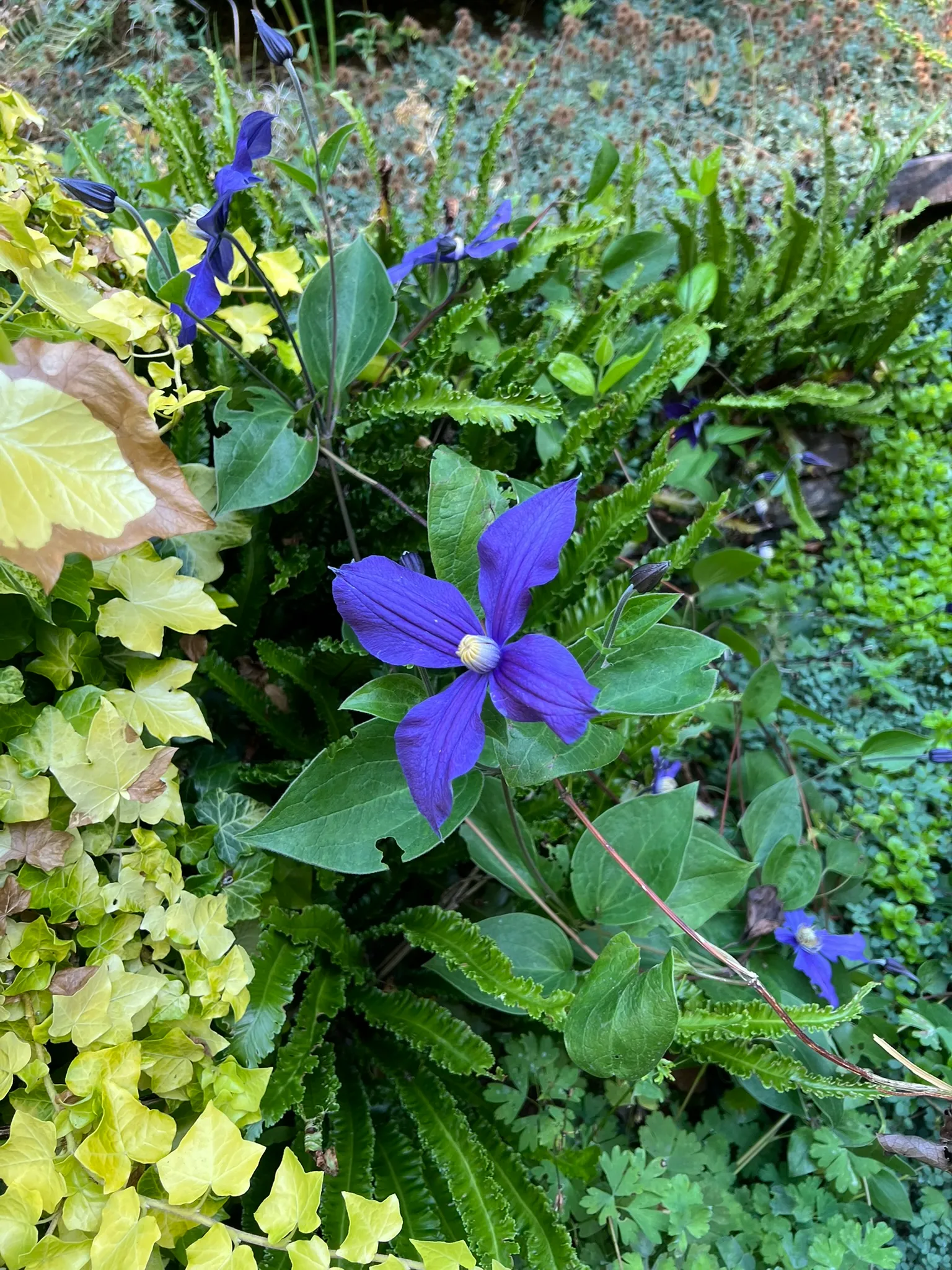
Clematis spp. is clematis (virgin's bower), a genus of approximately 300 species of deciduous (mostly) climbing vines in Ranunculaceae, ranging from 3-30 feet (0.9-9 m) tall. Flowers in purple, blue, pink, red, white, or yellow with 4-8 petal-like tepals (sepals). Flower size ranges from 0.75 inch (2 cm) in small-flowered species to 8 inches (20 cm) in large-flowered hybrids. Climbs by twining leaf petioles — requires a trellis, fence, or other support structure. The genus is divided into 3 pruning groups based on bloom timing and wood age: Group 1 (early spring on old wood), Group 2 (late spring-early summer on old and new wood), Group 3 (summer-fall on new wood). Clematis wilt (Calophoma clematidina) is the primary disease limitation — causes sudden collapse of entire stems. Planting the crown 2-3 inches (5-7 cm) below the soil surface helps recovery from wilt by encouraging new shoots from below ground. The root zone should be shaded (mulch or companion plantings) while the foliage grows into sun. Not drought-tolerant. Toxic — all parts contain protoanemonin (irritant). Deer-resistant. Zones 3-9. Full sun to partial shade. Growth rate varies by species.
Native Range
Worldwide temperate regions — approximately 300 species across North America, Europe, Asia, and Australasia. Several species are native to North America including C. virginiana and C. ligusticifolia.Suggested Uses
Grown on trellises, fences, arbors, pergolas, mailbox posts, and in containers of at least 5 gallons (19 L). Twining petioles — cannot climb smooth surfaces without support. Combine multiple pruning groups for spring-through-fall bloom. Toxic. Deer-resistant. Zones 3-9.How to Identify
Appearance
Size & Dimensions
Height3' - 30'
Width/Spread3' - 10'
Bloom Information
Spring through fall (varies by pruning group). Flowers with 4-8 tepals in purple, blue, pink, red, white, or yellow. Size 0.75-8 inches (2-20 cm) depending on species. 6+ weeks of bloom (longer with multiple pruning groups planted together). Bee-, butterfly-, and hummingbird-pollinated. Fluffy silver seed heads follow.
Detailed Descriptions
Flower Description
Variable by species and cultivar: purple, blue, pink, red, white, or yellow; 4-8 petal-like tepals (sepals); single, semi-double, or double depending on cultivar; flower size ranges from 0.75 inch (2 cm) in small-flowered species to 8 inches (20 cm) in large-flowered hybridsFoliage Description
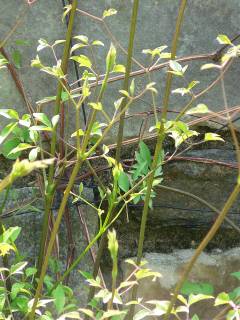
Medium to dark green, compound or simple depending on species and cultivar group; some species have bronze-tinted new growthGrowing Conditions
Sun Requirements
Requires 6-8 hours of direct sunlight daily
• Full Sun: 6+ hours of direct sunlight
• Partial Shade: 3-6 hours of direct sunlight
• Full Shade: Less than 3 hours of direct sunlight
Care & Maintenance
Care Guide
Full sun to partial shade (6-8 hours on the foliage; shade the root zone with mulch or companion plants). Well-drained soil pH 6.5-7.5. Plant the crown 2-3 inches (5-7 cm) below the soil surface. Not drought-tolerant. Prune according to the correct pruning group (1, 2, or 3). Clematis wilt causes sudden stem collapse. Toxic. Deer-resistant. Zones 3-9.Pruning
Pruning depends on the group: Group 1 (old wood — C. montana, C. alpina): prune lightly after flowering. Group 2 (old + new wood — large-flowered hybrids): light prune in February, removing dead wood and cutting to the first pair of strong buds. Group 3 (new wood — C. viticella, C. terniflora): hard prune to 12 inches (30 cm) in February-March.Pruning Schedule
Prune: February–March
early spring
Container Growing
Suitable for container growing
Minimum container size: 5 gallons