Clematis, Genus, 'Betty Corning', Cultivar,
- Genus
- Cultivar
betty corning clematis
Natural hybrid discovered Albany, New York (C. viticella × C. crispa)
Overview
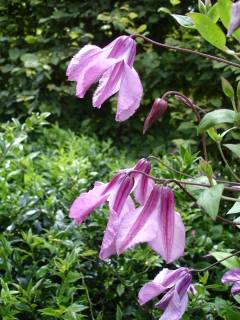
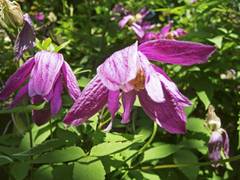
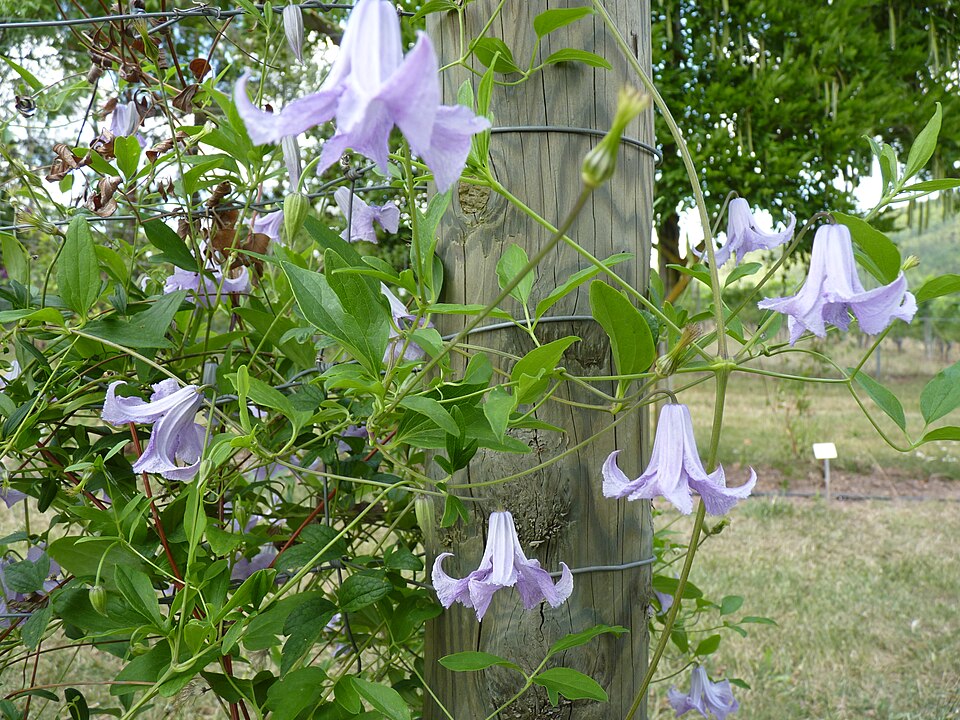
Clematis 'Betty Corning' is a vigorous, deciduous, climbing vine reaching 6–10 feet (1.8–3 m) per season with a spread of 3–4 feet (0.9–1.2 m). This hybrid (C. viticella × C. crispa) carries abundant, nodding, bell-shaped flowers 1.5–2 inches (4–5 cm) long with four recurved, slightly twisted tepals in pale lavender-blue to lilac, carrying a subtle sweet fragrance. Flowers appear continuously from June through September on current-season growth. Leaves are compound and pinnate with 5–7 ovate leaflets. The plant climbs by twining leaf petioles. All top growth dies back in winter or is cut to near ground level (Pruning Group 3). Annual regrowth is vigorous and reaches 6–10 feet (1.8–3 m) from the base by mid-summer. The cultivar was found growing wild along a fence in Albany, New York, in the 1930s by Betty Corning—a chance discovery rather than an intentional breeding program. The C. viticella parentage confers resistance to clematis wilt (Calophoma clematidina), the most damaging disease of the genus. The small flower size is matched by flower numbers, producing a lace-like effect of dozens of bells simultaneously through the peak season. All parts contain protoanemonin, an irritant that causes skin and mucous membrane contact dermatitis; sap contact during pruning should be rinsed off promptly and ingestion causes mouth burning and GI upset.
Native Range
Clematis 'Betty Corning' is a natural hybrid (C. viticella × C. crispa) discovered growing on a fence in Albany, New York, in the 1930s. C. viticella is native to southern Europe; C. crispa is native to the southeastern United States, so the parent species do not co-occur in the wild and the cross arose in garden cultivation.Suggested Uses
Planted on trellises, arbors, fences, and pergolas at 3–5 foot (0.9–1.5 m) spacing. The vigorous annual growth covers structures within a single season. Functions scrambling through large shrubs and small trees, threading among the host branches without strangling them. The subtle fragrance suits siting near seating areas and along paths where the scent reaches people at close range. Grows in large containers of at least 7 gallons (26 L) with a support. The June through September bloom and the wilt resistance make this cultivar suitable for less experienced clematis growers. Paired with climbing roses, the small bells weave through and between the rose flowers in a combined display.How to Identify
Appearance
Size & Dimensions
Height6' - 10'
Width/Spread3' - 4'
Bloom Information
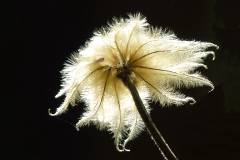
Nodding, bell-shaped, pale lavender-blue to lilac flowers 1.5–2 inches (4–5 cm) long open continuously from June through September on current-season growth. Bloom duration runs 12–16 weeks—a prolonged flowering season for the genus. Silky seed heads develop after flowering and persist into fall.
Detailed Descriptions
Flower Description
Pale lavender-blue to lilacFoliage Description
Medium green, compound pinnate with 5-7 leafletsGrowing Conditions
Sun Requirements
Requires 4-10 hours of direct sunlight daily
• Full Sun: 6+ hours of direct sunlight
• Partial Shade: 3-6 hours of direct sunlight
• Full Shade: Less than 3 hours of direct sunlight
Care & Maintenance
Care Guide
Plant with the crown 2–3 inches (5–8 cm) below the soil surface in moist, well-drained soil. Full sun to partial shade; shading the root zone with low companion plants or mulch reduces summer stress. A trellis, fence, or arbor supplies climbing support. The vigorous annual regrowth covers 6–10 feet (1.8–3 m) per season. Consistent moisture through the growing season supports sustained bloom. The C. viticella parentage confers strong resistance to clematis wilt. Cutting all stems to 6–12 inches (15–30 cm) in late winter (Pruning Group 3) renews the flowering framework. All parts contain protoanemonin, an irritant; gloves during pruning reduce skin contact.Pruning
Pruning Group 3: all stems are cut to 6–12 inches (15–30 cm) above ground in late February to March, just above a pair of strong buds. Flowers form on new wood. The vigorous annual regrowth reaches full height by mid-summer. No summer pruning is needed.Pruning Schedule
Prune: February–March
winterearly spring
Container Growing
Suitable for container growing
Minimum container size: 7 gallons