Clematis, Genus, 'Constance', Cultivar,
- Genus
- Cultivar
constance clematis
Hybrid of garden origin; Atragene Group (alpina/macropetala parentage)
Overview
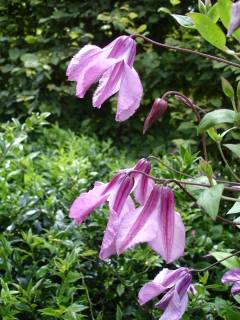
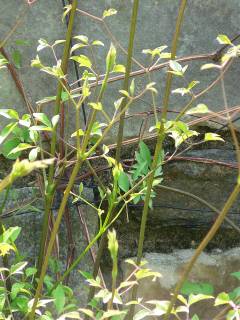
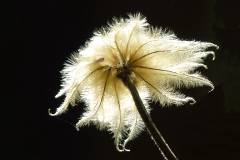
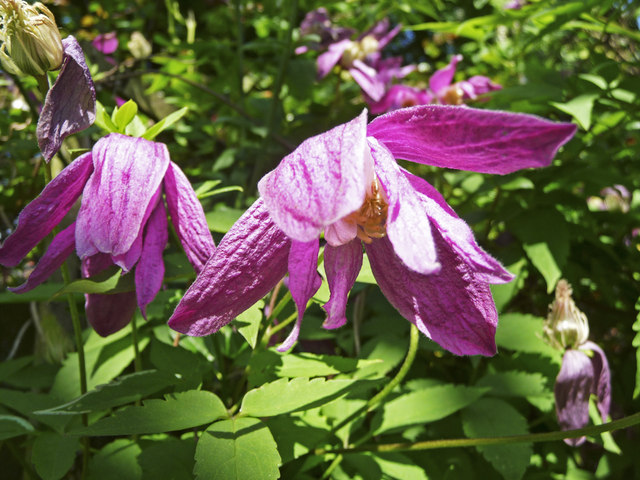
Clematis 'Constance' is a compact, deciduous, climbing vine in the Atragene Group (alpina type) reaching 6–8 feet (1.8–2.4 m) tall with a spread of 2–3 feet (0.6–0.9 m). The cultivar carries nodding, semi-double to double, bell-shaped flowers 2–2.5 inches (5–6 cm) long in deep rosy-pink to mauve-pink from April through May on the previous year's wood. Each flower carries four outer tepals surrounding a central cluster of petal-like staminodes, producing the semi-double effect. Silky, feathery seed heads follow the flowers and persist through summer into fall. Leaves are compound and ternate with toothed leaflets. The plant climbs by twining leaf petioles. Growth rate is moderate. Alpina-type clematis extend the genus's cold range down to zone 3, reliable in regions where large-flowered hybrids winterkill. The early spring bloom fills a gap when few other clematis are in flower. Pruning Group 1: light pruning after flowering only if size control is needed, since flowers form on old wood. Clematis wilt is rarely reported in alpina types. All parts contain protoanemonin, an irritant that causes skin and mucous membrane contact dermatitis; sap contact during pruning should be rinsed off promptly and ingestion causes mouth burning and GI upset.
Native Range
Clematis 'Constance' is an alpina-type hybrid of garden origin. The Atragene Group derives from species native to mountain habitats across Europe and northern Asia, including C. alpina (European Alps, Carpathians) and C. macropetala (China, Siberia).Suggested Uses
Planted on trellises, fences, arbors, and scrambling through small trees at 3–4 foot (0.9–1.2 m) spacing. The early spring bloom in April–May complements later-flowering clematis for a sequenced season of clematis color from April through September in mixed plantings. The compact size suits small gardens and containers of at least 5 gallons (19 L). The cold tolerance to zone 3 and the shade tolerance support planting on north- and east-facing walls where most clematis fail. Paired with spring bulbs such as Narcissus and early perennials, the rosy-pink bells open in the same 3–4 week window. The silky seed heads carry the ornamental season from June through October.How to Identify
Appearance
Size & Dimensions
Height6' - 8'
Width/Spread2' - 3'
Bloom Information
Nodding, semi-double, bell-shaped, deep rosy-pink flowers 2–2.5 inches (5–6 cm) long open from April through May on the previous year's growth. Bloom duration is 3–4 weeks. Silky, feathery seed heads develop after flowering and persist into fall, extending the ornamental period by 4–6 months beyond the bloom window.
Detailed Descriptions
Flower Description
Deep rosy-pink to mauve-pink, semi-doubleFoliage Description
Medium green, compound ternate with toothed leafletsGrowing Conditions
Sun Requirements
Requires 3-8 hours of direct sunlight daily
• Full Sun: 6+ hours of direct sunlight
• Partial Shade: 3-6 hours of direct sunlight
• Full Shade: Less than 3 hours of direct sunlight
Care & Maintenance
Care Guide
Plant with the crown 2–3 inches (5–8 cm) below soil surface in moist, well-drained soil. Full sun to partial shade; the cultivar tolerates deeper shade than most clematis, including north- and east-facing wall placements. Shading the root zone with mulch or low companions reduces summer stress. A trellis, fence, or small tree supplies climbing support. Alpina types extend the cold range of the genus into zone 3, reliable in regions where large-flowered hybrids die back to the crown each winter. Consistent moisture supports vigor but alpinas tolerate drier soils than the large-flowered hybrids. Pruning Group 1: light pruning after flowering if size control is needed. Clematis wilt is rarely reported in alpina types. All parts contain protoanemonin, an irritant; gloves during pruning reduce skin contact.Pruning
Pruning Group 1: Flowers form on the previous year's wood. Light pruning immediately after flowering (May) is done only when size control is needed. Dead or damaged stems are removed in late winter. Hard cutback removes the flower-producing wood and forfeits the following spring's bloom.Pruning Schedule
Prune: May
late spring
Container Growing
Suitable for container growing
Minimum container size: 5 gallons