Image 1 of 5
1 / 5
© F. D. Richards from Clinton, MI, some rights reserved (CC-BY-SA) · Wikimedia Commons
Clematis, Genus, ×, Hybrid, 'Sapphire Indigo', Cultivar,
- Genus
- Hybrid
- Cultivar
sapphire indigo clematis
Garden hybrid of integrifolia-type parentage; the parent species Clematis integrifolia is native to southeastern Europe and central Asia, where it grows in steppe grasslands and open meadows.
Overview
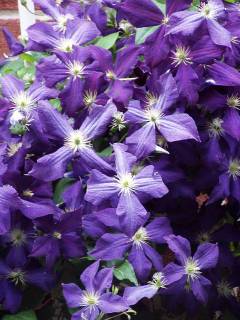
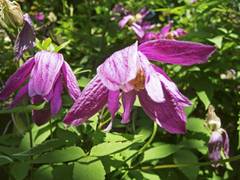
Clematis × Sapphire Indigo is an integrifolia-type herbaceous Clematis in the buttercup family (Ranunculaceae), growing 24-36 inches (60-90 cm) tall and wide and behaving as a non-climbing perennial scrambler rather than a climbing vine like the more familiar large-flowered Clematis cultivars (Jackmanii, Henryi, Nelly Moser). The integrifolia-type parentage places the cultivar in the herbaceous Clematis group descended from Clematis integrifolia, a steppe-meadow species native to southeastern Europe and central Asia that has evolved a non-climbing growth pattern in its open grassland habitat where there are no woody supports to climb. The non-twining habit means the stems lack twining petioles (the leaf-stalk climbing mechanism that the climbing Clematis cultivars use to grasp supports) and instead sprawl along the ground or lean through neighboring perennials and low shrubs for casual support. Nodding open bell-shaped deep indigo-blue to violet-blue flowers 2-3 inches (5-8 cm) across with 4-6 slightly recurved tepals and white stamens at the center appear continuously from June through October on new growth, with the white-on-indigo color contrast being the cultivar's principal visual character. The deep indigo-blue is darker and more saturated than the blue-violet of the related Clematis × Arabella cultivar, placing this cultivar at the dark end of the non-climbing Clematis color range. The herbaceous habit means stems die to the ground each winter rather than retaining woody growth like the climbing cultivars, and the cultivar is in pruning Group 3 (hard prune): all stems are cut to 6 inches (15 cm) above ground in late February through March, before new growth emerges from the crown. The 16-week continuous flowering window covers the longer end of the Clematis bloom-period range, comparable to other integrifolia-type cultivars and several summer-flowering large-flowered cultivars. Simple ovate dark green leaves in opposite pairs along the herbaceous stems reflect the C. integrifolia ancestry rather than the pinnately compound leaves of the climbing Clematis cultivars. Feathery silver-white plumed seed heads develop on older flowers while new flowers continue opening, giving the plant a multi-stage display through the late season. All plant parts contain protoanemonin (the same vesicant glycoside compound class shared with Ranunculus, Anemone, and Pulsatilla within the buttercup family Ranunculaceae), a compound that produces severe gastrointestinal irritation and oral mucosal blistering if ingested by humans, dogs, cats, livestock, or other mammals. Skin contact with cut sap can produce contact dermatitis with localized blistering in sensitive individuals from the same compound class, with the dermatitis typically resolving within a few days as the protoanemonin breaks down to less-irritating anemonin on contact with air.
Native Range
Clematis × Sapphire Indigo is a garden hybrid of integrifolia-type parentage, with the parent species Clematis integrifolia native to southeastern Europe and central Asia (from the Balkans and the Caucasus east through southern Russia and Kazakhstan into western Siberia and northern China). The species occurs in steppe grasslands, open meadows, and forest-steppe ecotones where the absence of woody supports has selected for the non-climbing growth pattern that distinguishes the integrifolia group from the climbing Clematis groups. Garden hybrid cultivars in the integrifolia group are bred for the perennial-style sprawling habit and for extended bloom on new growth, with Sapphire Indigo selected specifically for the deep indigo-blue color and the white stamen contrast.Suggested Uses
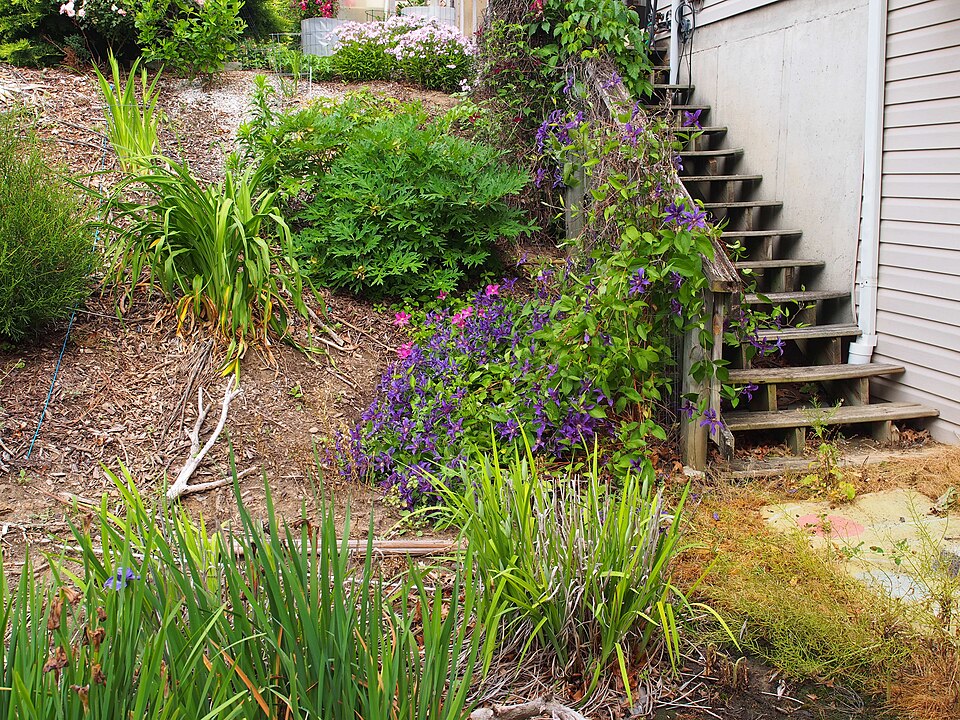
Used as a herbaceous ground cover, in mixed perennial borders where the sprawling stems weave among neighboring plants, draped over retaining walls and stone edges, and in container plantings of 7 gallons (26 liters) or larger without a support structure. The deep indigo-blue color fills the darkest blue niche among the non-climbing Clematis cultivars, and the cultivar pairs well with yellow-flowering companions (Rudbeckia, Coreopsis, Solidago) and with silver-foliage companions (Artemisia, Stachys, Lychnis coronaria) for color contrast in mid-summer-through-fall plantings. The 16-week bloom on new growth extends the perennial's contribution across nearly half the growing season, which is rare for a perennial of this size.How to Identify
Appearance
Size & Dimensions
Height2' - 3'
Width/Spread2' - 3'
Colors
Bloom Information
Deep indigo-blue to violet-blue nodding bell-shaped flowers 2-3 inches (5-8 cm) across open continuously from June through October across a 16-week active flowering window that covers more weeks than typical climbing Clematis cultivars (which more often run 4-10 weeks); the cultivar produces all flowers on new growth, so the bloom continues as long as new growth is being produced through the warm season. White stamens at the center contrast with the deep indigo-blue tepals, and the white-on-indigo combination is the cultivar's principal visual character at close range. Pollination is by bees and other insects working the flowers in sequence; the genus produces no nectar but bears abundant pollen on the white stamens at the flower center. Feathery silver-white plumed seed heads develop on older flowers while new flowers continue opening, giving the plant a multi-stage display.
Detailed Descriptions
Flower Description
Deep indigo-blue to violet-blue; nodding open bell-shaped flowers 2-3 inches (5-8 cm) across with 4-6 slightly recurved tepals and white stamens at the center, the white-on-indigo color contrast being the cultivar's principal visual characterFoliage Description
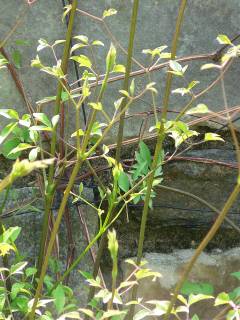
Dark green; simple ovate leaves arranged in opposite pairs along the herbaceous stems, reflecting the C. integrifolia parentage rather than the pinnately compound leaves of climbing Clematis cultivarsGrowing Conditions
Sun Requirements
Requires 5-10 hours of direct sunlight daily
• Full Sun: 6+ hours of direct sunlight
• Partial Shade: 3-6 hours of direct sunlight
• Full Shade: Less than 3 hours of direct sunlight
Care & Maintenance
Care Guide
Plant in full sun to partial shade with at least 5 hours of direct light, but with the root zone shaded to keep the root system cool (a rule sometimes given as feet in shade, head in sun for clematis; lay flat stones around the base of the plant or grow a low groundcover companion plant to shade the roots). Well-drained average-fertility soil at pH 6.0-7.5 supports the cultivar; consistent moisture is more important than soil type, and the plant tolerates clay and loam equally if drainage is adequate. No trellis or support structure is needed because the integrifolia-type stems do not climb; the cultivar is treated as a sprawling perennial that scrambles through neighboring plants or drapes over retaining walls. Watering is regular through the growing season because consistent moisture supports continuous bloom on new growth. Apply a balanced fertilizer in early spring as new growth emerges from the crown. The Group 3 pruning regime is applied in late February through March: all stems are cut to 6 inches (15 cm) above ground before new growth emerges, and the herbaceous stems will have died to the ground naturally in winter so the cut is essentially a cleanup operation. Households with dogs or cats should know that protoanemonin in the sap and tissues produces gastrointestinal irritation and oral mucosal blistering if ingested, and the bitter taste discourages most pets from chewing the foliage; the toxicity is the same compound class shared with the broader Ranunculaceae family.Pruning
Group 3 (hard prune): all stems are cut to 6 inches (15 cm) above ground in late February through March, before new growth emerges from the crown. The herbaceous stems will have died back to the ground naturally over winter, so the late-winter pruning is a cleanup operation rather than a major cut. New growth emerges from the persistent crown in spring and produces the season's flowering stems within 6-8 weeks of bud break.Pruning Schedule
Prune: February–March
early spring
Container Growing
Suitable for container growing
Minimum container size: 7 gallons