Clematis, Genus, montana, Species, var., Variety, 'Tetrarose', Cultivar,
- Genus & species
- Variety
- Cultivar
Tetrarose clematis
Species native to the Himalayas (central Nepal to western China; mountain forests and forest margins from 5,000 to 12,000 feet / 1,500–3,600 m); cultivar raised in the Netherlands
Overview
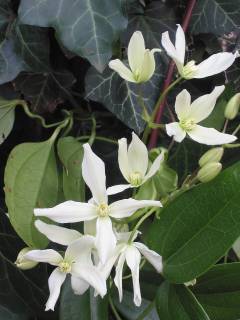
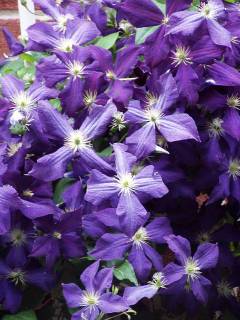
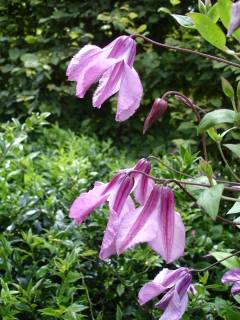
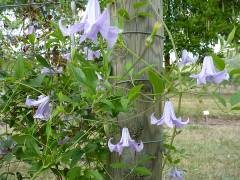
Clematis montana var. 'Tetrarose' is a very vigorous deciduous climbing vine in the buttercup family (Ranunculaceae) reaching 20–30 feet (6–9 m) with a spread of 10–15 feet (3–4.5 m). This tetraploid selection carries the largest flowers among the commonly grown montana cultivars — single four-tepaled flowers 2.5–3.5 inches (6–9 cm) across in lilac-rose to mauve-pink — from May through June on previous year's wood. The tetraploid chromosome doubling (four sets of chromosomes versus the diploid two) produces thicker tepals, larger flowers, and coarser foliage than the typical diploid montana cultivars. Leaves are trifoliate, larger and coarser than typical C. montana foliage, with bronze-tinged new growth maturing to dark green. Flowers carry a moderate spicy-sweet fragrance. Growth rate is very vigorous. Hardy to zones 6–9, which is less cold-hardy than the alpina-group clematis. Pruning Group 1 — flowering occurs on previous-season wood, and hard pruning removes the bloom year. The tetraploid vigor makes this a robust selection for large-structure coverage, though the rapid growth outgrows small trellises within two seasons. 'Tetrarose' was raised in the Netherlands.
Native Range
The species Clematis montana is native to the Himalayas, from central Nepal to western China, where it grows in mountain forests and forest margins from 5,000 to 12,000 feet (1,500–3,600 m). The cultivar 'Tetrarose' was raised in the Netherlands as a tetraploid selection.Suggested Uses
Grown on large walls, pergolas, through large trees, and over outbuildings at 6–10 foot (1.8–3 m) spacing. The larger flowers create denser visual mass through the May–June bloom period than smaller-flowered montanas. Screening large structures works within 3–4 years of establishment. The tetraploid vigor and robust foliage carry dense coverage through the growing season. Small trellises and container culture are not suitable given the mature scale.How to Identify
Appearance
Size & Dimensions
Height20' - 30'
Width/Spread10' - 15'
Bloom Information
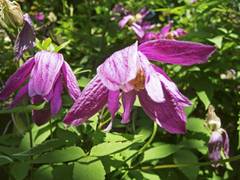
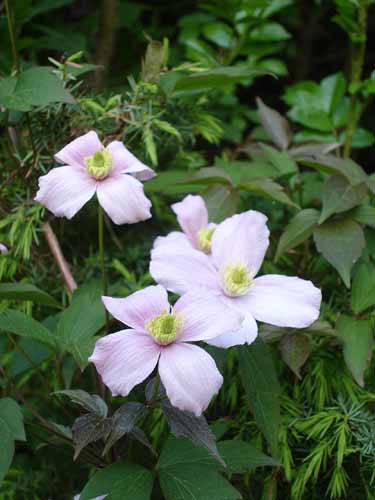
Single four-tepaled lilac-rose to mauve-pink flowers 2.5–3.5 inches (6–9 cm) across with moderate spicy-sweet fragrance open in masses from May through June on previous year's growth. Bloom duration is 3–4 weeks. The mass bloom can cover the foliage completely through peak flowering.
Detailed Descriptions
Flower Description
Lilac-rose to mauve-pink; single four-tepaled 2.5-3.5 inches across with thick tepalsFoliage Description
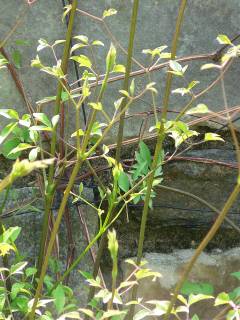
Bronze new growth maturing to dark green; trifoliate, larger and coarser than typical C. montana foliage reflecting tetraploid vigorGrowing Conditions
Sun Requirements
Requires 4-10 hours of direct sunlight daily
• Full Sun: 6+ hours of direct sunlight
• Partial Shade: 3-6 hours of direct sunlight
• Full Shade: Less than 3 hours of direct sunlight
Care & Maintenance
Care Guide
Grows in full sun to partial shade in moist well-drained soil at pH 6.5–7.5, tolerating loam. Hardy to zones 6–9, less cold-hardy than alpina-group clematis. A large sturdy structure (wall, fence, pergola, large tree) is required to support the vigorous growth; small trellises are overwhelmed within 2–3 seasons. Consistent moisture supports establishment. Pruning Group 1: pruning occurs immediately after flowering if size control is needed, as flowers form on previous-season wood. The tetraploid vigor carries this selection through stress conditions that affect weaker diploid montanas. No serious pest or disease problems.Pruning
Pruning Group 1. Flowers on previous year's wood. Prune immediately after flowering in June only if size control is needed; later pruning removes next year's flower buds. Hard-pruning to renovate an overgrown plant is possible but sacrifices the following year's bloom. Fall and winter pruning are avoided.Pruning Schedule
Prune: June
summer