Citrus, Genus, ×, Hybrid, limon, Species,
- Genus & species
- Hybrid
Lemon
Northeastern India, northern Myanmar, and China
Overview
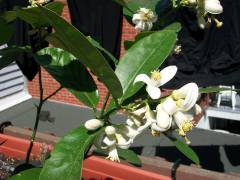
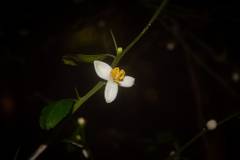
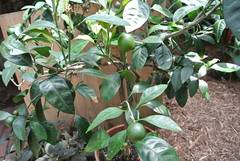
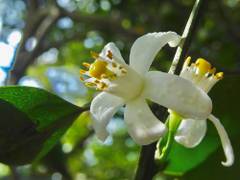
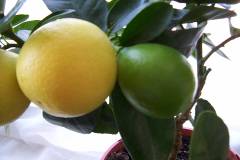
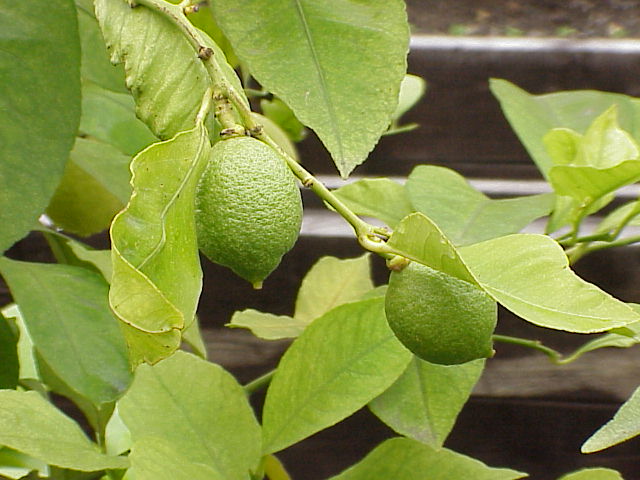
Citrus × limon is an evergreen, rounded tree or large shrub in the rue family (Rutaceae), 10–20 feet (3–6 m) tall with a spread of 8–15 feet (2.4–4.6 m); dwarf grafted forms in containers stay 4–6 feet (1.2–1.8 m) tall. Branches are irregular and bear sharp spines 0.4–1.2 inches (1–3 cm) long at the leaf axils on most cultivars. Leaves are alternate, elliptic to ovate, 2–4 inches (5–10 cm) long, with finely toothed margins, glossy dark green above and paler beneath. Flowers are 1–2 inches (2.5–5 cm) wide with five white petals that are purple-tinged on the outside, borne singly or in clusters of 2–6, and strongly fragrant. Fruits are ellipsoid berries 2–4 inches (5–10 cm) long with a nipple-like tip, ripening from green to yellow over 6–12 months, with acidic juice of pH 2.0–2.6. Growth is 12–24 inches (30–60 cm) per year. Leaves and shoots are damaged at 28°F (−2°C), and trees are killed at about 20°F (−7°C). Alkaline soils above pH 7.5 cause iron chlorosis, with yellowing between leaf veins.
Native Range
Citrus × limon is a hybrid of Asian origin, derived from crosses involving Citrus medica (citron) and Citrus × aurantium (sour orange), and is thought to have arisen in northeastern India, northern Myanmar, and China. It is not known as a wild plant and has been cultivated in the Mediterranean region and the Middle East since the 10th century.Suggested Uses
Grown as a fruit tree in orchards and home gardens in zones 9–11, spaced 12–25 feet (3.7–7.6 m) apart, and in containers of 15 gallons (57 L) or more in colder regions. Fruit and zest are used in cooking, beverages, and preserves, and the fragrant flowers are visited by bees.How to Identify
Appearance
Size & Dimensions
Height10' - 20'
Width/Spread8' - 15'
Bloom Information
Flowers open mainly from March to May, with repeat bloom through summer and fall in warm climates on everbearing cultivars such as 'Eureka'. Flowers are self-fertile, and fruit set occurs without cross-pollination on most cultivars. Fruit from spring flowers ripens by winter.
Detailed Descriptions
Flower Description
White with purple-tinged exteriorFoliage Description
Glossy dark greenGrowing Conditions
Sun Requirements
Requires 6-10 hours of direct sunlight daily
• Full Sun: 6+ hours of direct sunlight
• Partial Shade: 3-6 hours of direct sunlight
• Full Shade: Less than 3 hours of direct sunlight
Care & Maintenance
Care Guide
Grows in full sun with at least 6 hours of direct light in well-drained loam or sandy soil with a pH of 5.5–6.5. Hardy in USDA zones 9–11, and container plants are moved indoors when temperatures drop below 32°F (0°C). Water is applied at 1–1.5 inches (25–38 mm) per week in summer, and the soil surface dries 1–2 inches (2.5–5 cm) deep between waterings; saturated soil causes root rot. A nitrogen-rich citrus fertilizer is applied 3–4 times between February and September. Scale, aphids, citrus leafminer, and spider mites are the common pests, and sooty mold develops on honeydew deposits.Pruning
Pruning is limited to removing dead wood, crossing branches, and suckers below the graft union, usually in late winter or early spring after frost risk passes. Shoots are shortened by one-third to hold container plants at 4–6 feet (1.2–1.8 m). Heavy pruning removes fruiting wood and delays fruiting by 1 year.Pruning Schedule
Prune: February–March
early spring
Container Growing
Suitable for container growing
Minimum container size: 15 gallons