Citrus Tree
Citrus, Genus, medica, Species,
- Genus & species
Citron
Northeastern India and Himalayan foothills
Overview
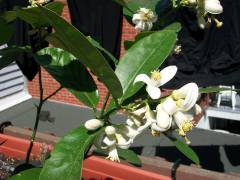
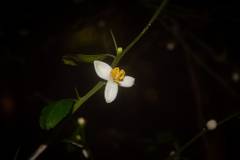
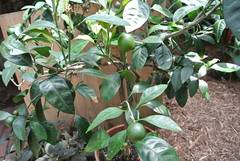
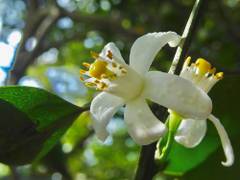
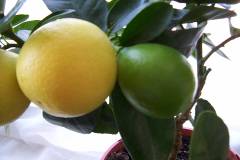
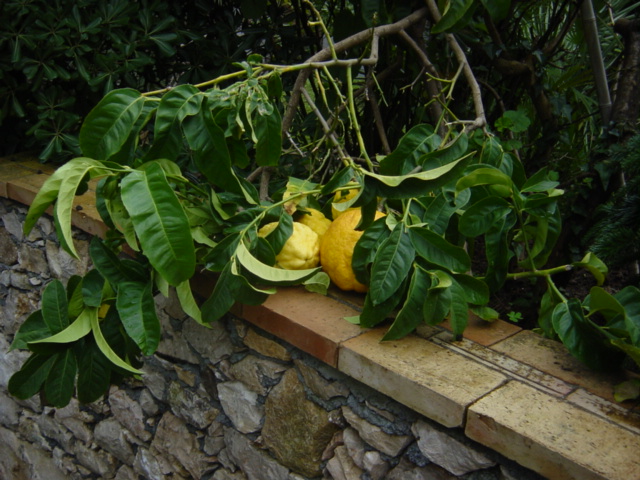
Citrus medica is an evergreen, spreading shrub or small tree that grows 8–15 feet (2.4–4.6 m) tall and 6–10 feet (1.8–3 m) wide, with irregular branching and short, stiff spines at the leaf axils. Leaves are oblong to elliptic, 3–6 inches (8–15 cm) long, with finely serrated margins and a winged or unwinged petiole, and new growth is flushed purple. Flowers are 1 inch (2.5 cm) across, with four to five petals that are white inside and purple-tinged outside, fragrant, and borne in small clusters or singly. Fruits are oblong to ovoid, 6–12 inches (15–30 cm) long, with a thick, bumpy, yellow rind that makes up most of the fruit and a small amount of acidic pulp. Fruits ripen 8–12 months after flowering and weigh 1–5 pounds (0.5–2.3 kg). The tree is hardy in USDA zones 9–11, with leaf and twig damage at 28–30°F (−2 to −1°C), with less cold tolerance than C. reticulata. Citrus greening, canker, scale insects, and leafminers affect plants. Growth is open and sprawling, and fruit weight bends branches.
Native Range
Citrus medica is native to northeastern India and the foothills of the Himalayas, and has been cultivated in the Mediterranean region for more than 2,000 years. It is one of the three ancestral species of cultivated citrus, with C. maxima and C. reticulata.Suggested Uses
Citrus medica is grown as a fruit tree in warm climates, and in containers of 15 gallons (57 L) or larger in cooler regions with winter protection. The rind is candied and used in baking and liqueurs, and the fruit is used in Jewish ritual as the etrog.How to Identify
Appearance
Size & Dimensions
Height8' - 15'
Width/Spread6' - 10'
Bloom Information
Citrus medica blooms mainly in spring, typically March to May, with repeat flowering at intervals through summer and fall in warm climates. Flowers are fragrant and open over 1–2 weeks. Fruits ripen 8–12 months after flowering.
Detailed Descriptions
Flower Description
White inside, purple-tinged outsideFoliage Description
Medium to dark green, purple-flushed when newGrowing Conditions
Sun Requirements
Requires 8-12 hours of direct sunlight daily
• Full Sun: 6+ hours of direct sunlight
• Partial Shade: 3-6 hours of direct sunlight
• Full Shade: Less than 3 hours of direct sunlight
Care & Maintenance
Care Guide
Citrus medica grows in full sun, with at least 8 hours of direct light, in well-drained, sandy to loamy soil of pH 6.0–7.5. Plants need 1–2 inches (2.5–5 cm) of water weekly during dry periods, with reduced water in winter. Hardiness is USDA zones 9–11, with damage below 28°F (−2°C), and frost cover or container movement is used in marginal zones. Citrus fertilizer with nitrogen, zinc, and iron is applied 3–4 times per year. Citrus greening, citrus canker, scale insects, and citrus leafminer affect plants. Wet soil promotes root rot.Pruning
Pruning takes place in late winter or early spring after frost danger, removing dead, crossing, and low branches and shortening long shoots by up to one-third. Suckers from below the graft are removed throughout the year. Branches are thinned to open the center, since fruit weighing 1–5 pounds (0.5–2.3 kg) bends and breaks overloaded limbs.Pruning Schedule
Prune: February–March
early spring
Container Growing
Suitable for container growing
Minimum container size: 15 gallons