Chamerion, Genus, spp., Multiple species,
- Genus
- Multiple species
fireweed
Northern Hemisphere (boreal and montane)
Overview
Chamerion is a genus of perennial herbs in the evening-primrose family, Onagraceae, of the cool Northern Hemisphere, treated by some botanists as part of Chamaenerion. It contains the fireweeds and rosebay willowherbs, tall plants that colonise open and disturbed ground. The widely grown C. angustifolium (also written Chamaenerion angustifolium), known as fireweed or rosebay willowherb, forms upright stems 3 to 8 feet (90 to 240 cm) tall from spreading underground roots. Narrow, willow-like leaves run up the stem, and a long terminal spike opens its four-petalled rose-pink to purple flowers from the bottom upward through summer. C. latifolium, dwarf fireweed, is a much shorter arctic-alpine plant of gravelly riverbanks with larger flowers on low stems. After flowering, narrow pods split to shed many tiny seeds on tufts of silky hair, which the wind carries long distances. Plants die back in winter and regrow from creeping roots, often forming wide colonies on cleared, burned, or broken ground. They grow in full sun and moist, well-drained soil.
Native Range
Chamerion is native across the cool and cold Northern Hemisphere, including North America, Europe, and northern Asia. C. angustifolium is circumboreal across these continents, while C. latifolium grows in the Arctic and high mountains.Suggested Uses
Grown in wild, meadow, and naturalistic gardens, pollinator plantings, and habitat and revegetation schemes, with the tall fireweeds suited to large open areas and the dwarf species to alpine beds. The flowers draw bees and butterflies, and young shoots and leaves are used as foraged food and tea in some regions. Its spreading roots limit use in small, formal borders.How to Identify
Appearance
Size & Dimensions
Height1' - 8'
Width/Spread1' - 3'
Bloom Information
Flowering runs from early to late summer, roughly June to September, with the spike opening progressively from the bottom so flowers and ripening pods occur together. Each colony blooms for many weeks. The nectar-rich flowers are heavily visited by bees, and fireweed yields a pale, mild honey.
Detailed Descriptions
Flower Description
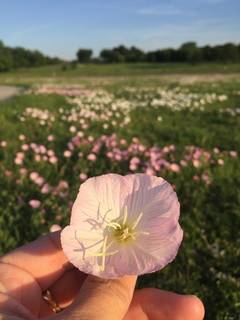
rose-pink to purple, sometimes whiteFoliage Description
greenGrowing Conditions
Sun Requirements
Requires 6-12 hours of direct sunlight daily
• Full Sun: 6+ hours of direct sunlight
• Partial Shade: 3-6 hours of direct sunlight
• Full Shade: Less than 3 hours of direct sunlight
Care & Maintenance
Care Guide
Plants grow in full sun to light shade in moist, well-drained soil over a wide pH range, tolerating poor and recently disturbed or burned ground. They spread quickly by creeping roots and windborne seed, so they can overrun beds and are usually given room to roam or confined by barriers. Cutting the stems before the pods open limits self-seeding. They are very cold-hardy, die back each winter, and return from the roots. Clumps are lifted and divided in spring or autumn to manage spread. Pests are few, but the vigorous spread is the main drawback in small gardens.Pruning
Cut spent flower spikes back before the pods ripen to reduce windborne seed. Stems are cut to the ground in late autumn or early spring once they die down. Dividing and removing excess roots keeps colonies within bounds.Pruning Schedule
Prune: September–October
fall