Image 1 of 4
1 / 4
Plant Reference
Gaura, Genus,
- Genus
wand flower
South-central United States — primarily Texas and Louisiana; open prairies, roadsides, and disturbed ground on hot dry calcareous soils
Overview
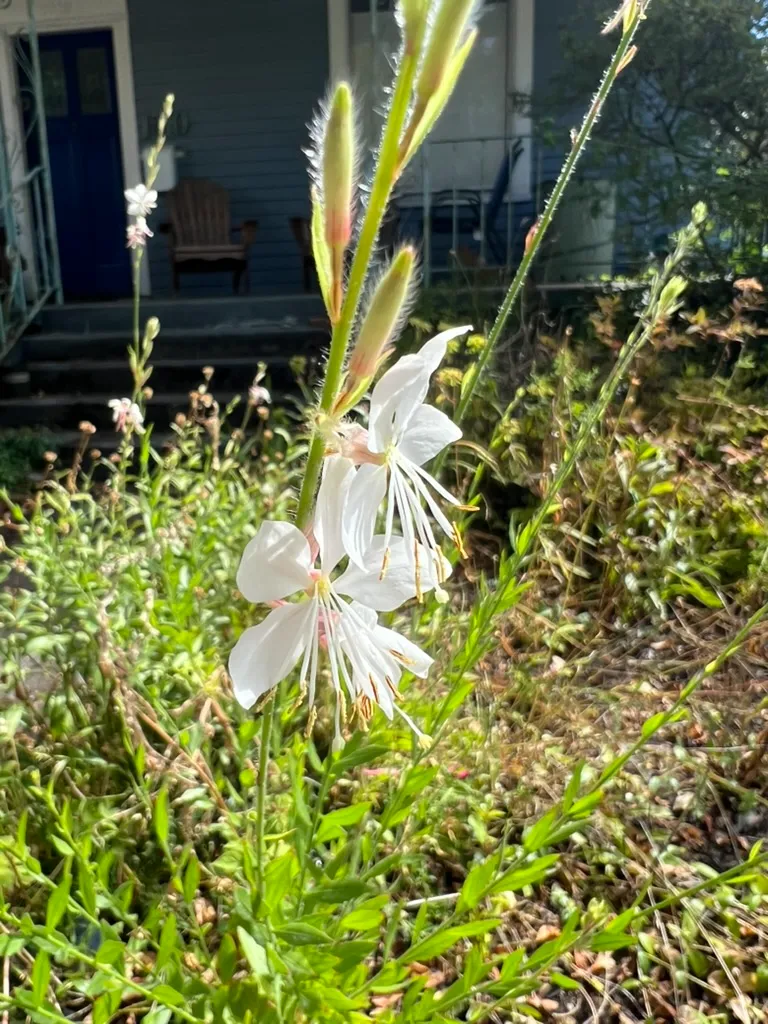
Gaura is an upright deciduous perennial growing 2-4 feet (60-120 cm) tall and 2-3 feet (60-90 cm) wide. Four-petaled white to pink flowers, 0.75-1 inch (2-2.5 cm), are held on long airy wand-like stems that wave in the breeze, from May through October — a 22-week bloom season that is longer than on most cultivated perennials. Lance-shaped mid-green leaves, 1-3 inches (2.5-7.5 cm). In Onagraceae. The genus Gaura has been reclassified and merged into Oenothera by some authorities based on molecular phylogenetic evidence. G. lindheimeri is the standard cultivated species (most garden cultivars derive from it). Native to the south-central United States — primarily Texas and Louisiana — on hot dry calcareous soils. Drought- and heat-tolerant once established. Short-lived (3-5 years is typical), so replacement planting is factored into the maintenance cycle. Deer-resistant. Non-toxic. This entry represents the genus.
Native Range
Native to the south-central United States — primarily Texas and Louisiana. Found in open prairies, roadsides, and disturbed ground on hot dry calcareous soils.Suggested Uses
Grown in mixed borders, prairie plantings, drought-tolerant gardens, and in containers of at least 5 gallons (19 L), spaced 2-3 feet (60-90 cm) apart. Long bloom season (22 weeks). Drought- and heat-tolerant. Short-lived; replacement planting is part of the maintenance cycle. Deer-resistant. Non-toxic. Hardy in zones 5-9.How to Identify
Appearance
Size & Dimensions
Height2' - 4'
Width/Spread2' - 3'
Bloom Information
Detailed Descriptions
Flower Description
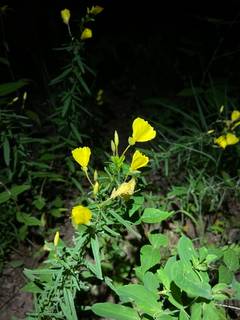
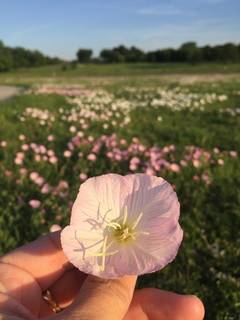
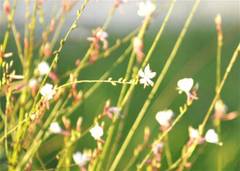
four-petaled, 0.75-1 inch (2-2.5 cm) across, white to pale pink; held on long airy wand-like stems that wave in the breeze (the source of the common name wand flower); pink-flowered cultivars ('Siskiyou Pink', 'Crimson Butterflies') deepen in cool fall temperatures; May-October — a 22-week bloom season that is longer than on most perennial shrubsFoliage Description
lance-shaped, 1-3 inches (2.5-7.5 cm), mid-green; some cultivars marked with red or burgundy spotting ('Crimson Butterflies' has burgundy foliage)Growing Conditions
Sun Requirements
Requires 6-12 hours of direct sunlight daily
• Full Sun: 6+ hours of direct sunlight
• Partial Shade: 3-6 hours of direct sunlight
• Full Shade: Less than 3 hours of direct sunlight
Care & Maintenance
Care Guide
Site in full sun (6-12 hours direct sun) in well-drained loam or sand with a pH of 6.0-7.5. Drought- and heat-tolerant once established. Short-lived (3-5 years). Plants are cut back if they become floppy. Deer-resistant. Non-toxic. Hardy in zones 5-9.Pruning
Cut back hard in late spring (May) if plants become floppy, or in fall (November) for tidiness. The natural airy form requires minimal shaping. Plants that decline after 3-5 years are replaced.Pruning Schedule
Prune: May & November
late springfall
Container Growing
Suitable for container growing
Minimum container size: 5 gallons