Image 1 of 14
1 / 14
Plant Reference
Oenothera, Genus, fruticosa, Species,
- Genus & species
evening primrose
Eastern United States (Maine south to Florida, west to Wisconsin and Arkansas)
Overview
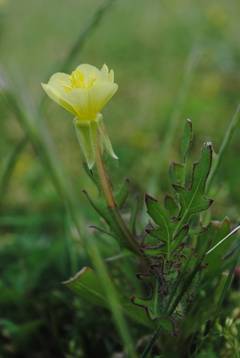
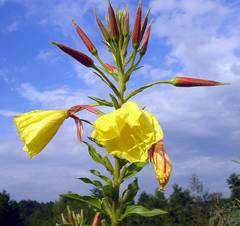
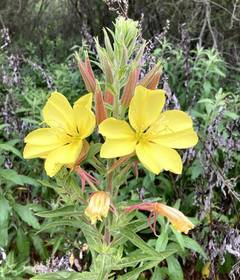
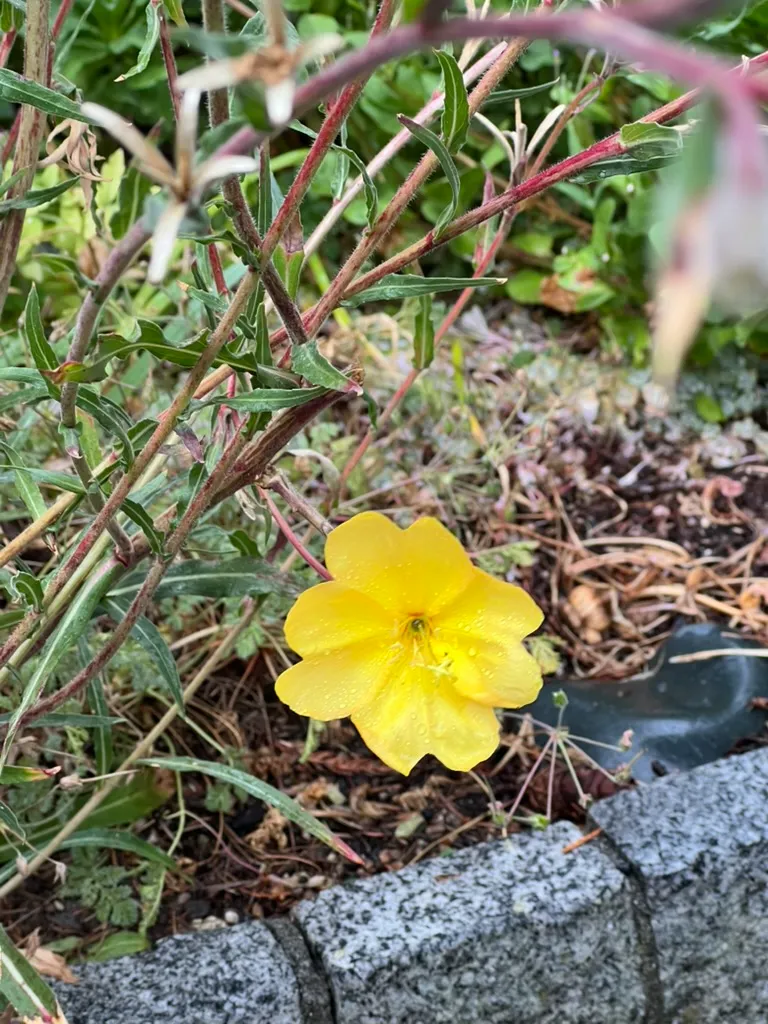
Oenothera fruticosa is an upright to spreading native perennial in the family Onagraceae, native to the eastern United States, in open woods, meadow edges, rocky outcrops, and disturbed ground. Plants spread by short rhizomes to form loose colonies of reddish-tinged erect stems 12-24 inches (30-60 cm) tall bearing alternate lance-shaped leaves 2-4 inches (5-10 cm) long often flushed red-purple in spring and fall. Despite the genus's common name of evening primrose, O. fruticosa opens its flowers in full daytime sun and is more accurately called sundrops. Clear yellow four-petaled flowers 1-2 inches (2.5-5 cm) across open over several weeks in late spring to midsummer, each lasting 1-2 days, with new buds opening continuously through the flush. The red stem coloration and reddish-tinged foliage extend ornamental interest into spring and fall. Named selections include 'Fireworks' (syn. 'Fyrverkeri') with red buds, yellow flowers, and strongly reddish foliage. Hardy in USDA zones 4-8. Growth rate is moderate, reaching full size in 1 year. The rhizomatous habit can crowd smaller neighbors in fertile moist sites, which limits placement in tight mixed plantings. Non-toxic.
Native Range
Oenothera fruticosa is native to the eastern United States from Maine south to Florida and west to Wisconsin and Arkansas, in open woods, meadow edges, rocky slopes, and disturbed areas, typically in well-drained to dry, often poor soil in full sun.Suggested Uses
Planted in native perennial borders, prairie gardens, dry banks, and rock gardens at 18-24 inch (45-60 cm) spacing. The red-tinged foliage carries ornamental interest past the bloom window. Colonies cover sunny slopes where spread is desired. Combines with ornamental grasses, Rudbeckia, and drought-tolerant perennials. Native bees visit the daytime flowers. Rich moist sites are outside the use range because plants decline rapidly there.How to Identify
Appearance
Size & Dimensions
Height1' - 2'
Width/Spread1'6" - 2'
Bloom Information
Clear yellow four-petaled flowers 1-2 inches (2.5-5 cm) across, borne late May through July in zones 4-8 with the main flush lasting 3-5 weeks. Individual flowers last 1-2 days, with new buds opening continuously through the bloom window. In the Pacific Northwest, peak bloom occurs in June. Red-tinged stems and foliage continue into spring and fall beyond the flowering window.
Detailed Descriptions
Flower Description
Clear yellow; four-petaled 1-2 inches (2.5-5 cm); daytime-opening; late May-JulyFoliage Description
Medium green often flushed reddish-purple particularly in spring and fall; lance-shaped 2-4 inches (5-10 cm); alternate; borne on reddish stems; semi-evergreenGrowing Conditions
Sun Requirements
Requires 6-8 hours of direct sunlight daily
• Full Sun: 6+ hours of direct sunlight
• Partial Shade: 3-6 hours of direct sunlight
• Full Shade: Less than 3 hours of direct sunlight
Care & Maintenance
Care Guide
Grows in full sun in average to poor well-drained to dry soil at pH 5.5-7.0. Hardy to USDA zone 4. Poor rocky and sandy soils suit the species; rich, moist, or waterlogged conditions cause rapid decline. Drought tolerance develops after the first growing season. Rhizome spread is managed by annual spade-cutting of runners in spring when the planting approaches intended edges. Division every 3-4 years in early spring maintains vigor. Staking is not required because the stems are self-supporting at the species's 12-24 inch height.Pruning
Spent flower stems can be cut back after bloom in July for a tidier appearance and a flush of fresh basal foliage. Stems are cut to ground level in fall after frost, or left standing for winter interest and wildlife cover. Division in early spring every 3-4 years uses lifted rhizome sections; vigorous outer portions are replanted at 18 inch (45 cm) spacing.Pruning Schedule
Prune: March, July & October
summerfallearly spring