Overview
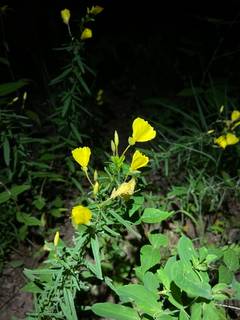
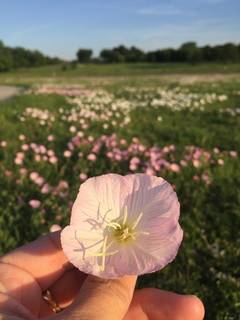
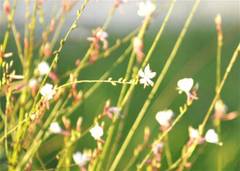
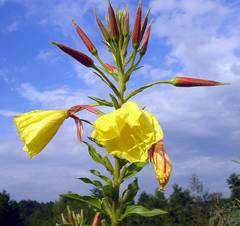
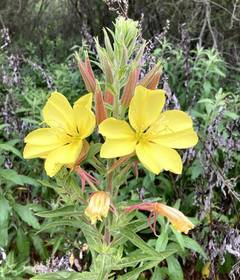
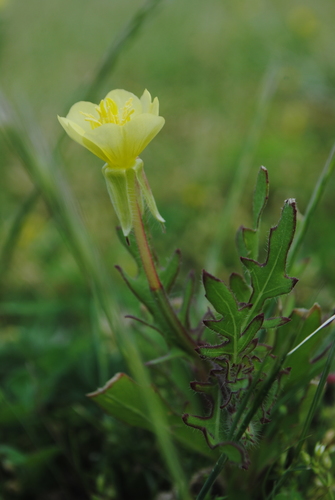
Oenothera laciniata is a low, sprawling annual or biennial with decumbent stems 4-24 inches (10-60 cm) long radiating from a basal rosette. The leaves are 1-4 inches (2.5-10 cm) long and pinnately lobed or deeply toothed, giving the plant its cutleaf name, and are covered in short hairs. Pale to bright yellow four-petaled flowers 0.5-1 inch (1.3-2.5 cm) wide open in late afternoon and evening and fade to orange-red by the next day. Blooming continues over a long season from spring into autumn, and the flowers are often self-pollinated. Narrow seed capsules follow, splitting to release many small seeds. It grows on sandy and disturbed ground, fields, roadsides, and dunes across central and eastern North America, and has naturalized in Europe and Asia. The sprawling habit and heavy self-seeding let it spread quickly and behave as a weed in cultivated ground. It is short-lived, completing its cycle in one or two seasons.
Native Range
Oenothera laciniata is native to central and eastern North America, from the Great Plains and Texas east to the Atlantic coast. It grows on sandy soils, dunes, fields, and roadsides, and has naturalized in Europe and East Asia.Suggested Uses
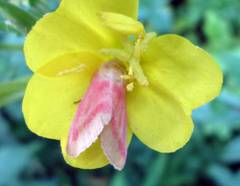
Used in sandy wildflower plantings, dune stabilization, and naturalized dry banks, spaced about 12 inches (30 cm) apart. The evening flowers draw night-flying moths in informal settings. Its sprawling growth suits ground-level gaps rather than formal beds.How to Identify
Appearance
Size & Dimensions
Height4" - 2'
Width/Spread1' - 2'
Bloom Information
Flowering extends over a long season from spring through autumn, with individual flowers opening in late afternoon and lasting until the following morning. The blooms shift from yellow to orange-red as they age. Many flowers self-pollinate, so seed set is reliable even without visiting insects.
Detailed Descriptions
Flower Description
yellow, fading orange-redFoliage Description
greenGrowing Conditions
Sun Requirements
Requires 6-10 hours of direct sunlight daily
• Full Sun: 6+ hours of direct sunlight
• Partial Shade: 3-6 hours of direct sunlight
• Full Shade: Less than 3 hours of direct sunlight
Water & Climate
Water Needs
Drought Tolerance
Drought tolerant when established
Care & Maintenance
Care Guide
Grow in full sun in light, sandy, free-draining soil; poor and dry sites suit it well. Established plants tolerate drought and need little water once rooted. It is grown from seed sown in spring or autumn and often self-sows where the soil is bare. Rich or wet soils produce soft growth and shorten its life. Removing seed capsules before they split limits unwanted spread. No feeding is required on lean soils.Pruning
No pruning is needed. Sprawling stems can be trimmed back to keep plantings tidy. Spent plants can be pulled once seeding finishes.Toxicity
Non-toxicPlanting Guide
Planting Methods & Timing
Planting Method
direct sow
Direct Sow Timing
early spring or autumn
Plant Spacing
12 inches