Image 1 of 15
1 / 15
© No machine-readable author provided. Bogdan assumed (based on copyright claims)., some rights reserved (CC-BY-SA) · Wikimedia Commons
Oenothera, Genus, spp., Multiple species,
- Genus
- Multiple species
evening primroses, sundrops, and beeblossoms
The Americas (greatest diversity in the United States and Mexico)
Overview
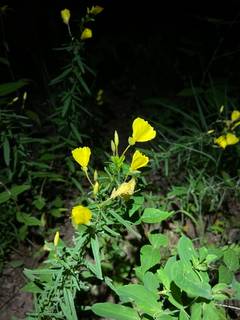
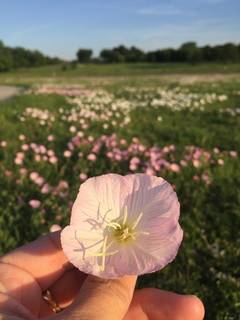
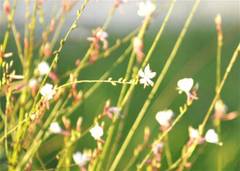
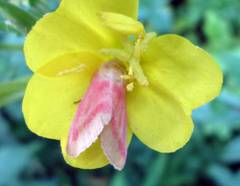
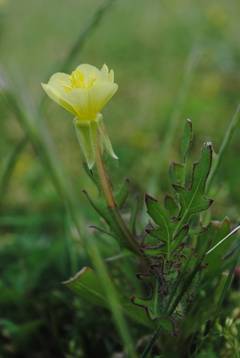
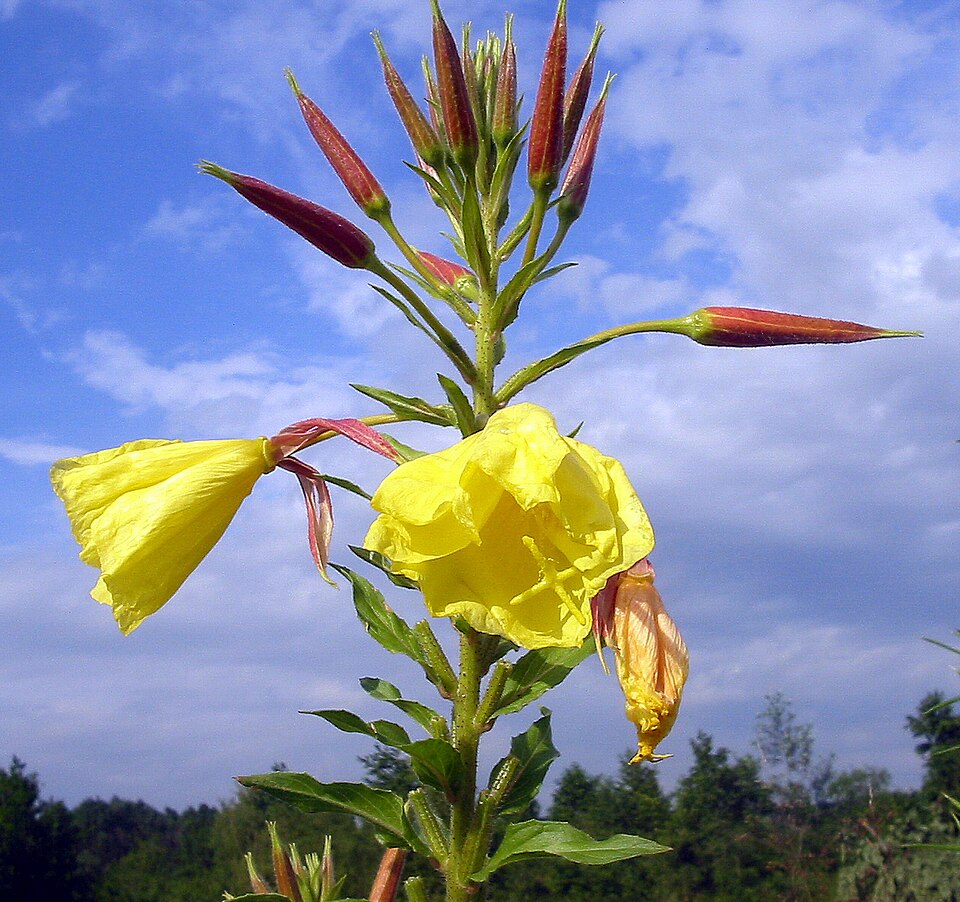
Oenothera is a genus of about 145 species of annual, biennial, and perennial herbs in the Onagraceae family, native to the Americas and now naturalized across temperate regions worldwide. The genus covers the evening primroses, whose flowers open at dusk, the day-blooming sundrops, and the slender beeblossoms (formerly Gaura). Plants form a basal rosette or leafy stems 6-72 inches (15-180 cm) tall, with lance-shaped to toothed leaves. Flowers have 4 petals, are cup- or saucer-shaped, and measure 1-4 inches (2.5-10 cm) across in yellow, white, or pink, often fading to a deeper shade as they age. Evening-blooming species open within minutes at dusk and release a sweet scent that draws hawk moths, while sundrops open in daylight for bees. Each bloom lasts about a day. After flowering, four-chambered seed capsules form and release many small seeds. Several species, including O. biennis, self-seed freely and spread into a weed of open ground, and the running roots of some perennials colonize beyond their planting site. The genus grows in lean, well-drained soil and full sun and tolerates drought, heat, and poor fertility once established.
Native Range
Oenothera is native to North, Central, and South America, with the greatest diversity in the United States and Mexico. Many species, such as O. biennis, have naturalized in Europe, Asia, and beyond.Suggested Uses
Grown in borders, gravel gardens, wildflower meadows, and naturalized plantings on poor, dry soil. Evening-blooming species are used in night and moon gardens for their scent and pale flowers. The nectar and pollen draw bees, moths, and hummingbirds.How to Identify
Appearance
Size & Dimensions
Height6" - 6'
Width/Spread1' - 3'
Bloom Information
Bloom runs from late spring through fall, roughly May to September, with peak flowering in summer. Evening primroses open in the evening and close by the following midday, while sundrops and beeblossoms stay open through the day. Each flower lasts about 24 hours, but plants produce a long succession of buds. Flowering continues until frost in many species.
Detailed Descriptions
Flower Description
yellow, white, and pinkFoliage Description
greenGrowing Conditions
Sun Requirements
Requires 6-12 hours of direct sunlight daily
• Full Sun: 6+ hours of direct sunlight
• Partial Shade: 3-6 hours of direct sunlight
• Full Shade: Less than 3 hours of direct sunlight
Care & Maintenance
Care Guide
Plants in this genus grow in full sun and prefer lean, well-drained soil at pH 5.5-7.5, including sandy and rocky ground, where richer soil produces floppy, short-lived growth. Established plants tolerate drought, heat, and poor fertility and rarely need watering or feeding. Biennial species form a rosette the first year and flower and die the second, relying on self-sown seed to continue. Running perennial species spread by underground stems and can crowd neighbors. Common problems include downy mildew, root rot in wet soil, and Japanese beetles. Hardiness spans USDA zones 4-9 depending on species.Pruning
Shearing plants back after the first flush of bloom encourages a second flush and tidies floppy stems. Removing developing seed capsules limits self-seeding in weedy species. Cutting perennials to the ground in late fall or early spring clears the dead stems before new growth.Container Growing
Suitable for container growing
Minimum container size: 2 gallons