Image 1 of 17
1 / 17
Plant Reference
Oenothera, Genus, lindheimeri, Species,
- Genus & species
wandflower
Texas and Louisiana, USA. Formerly classified as Gaura lindheimeri.
Overview
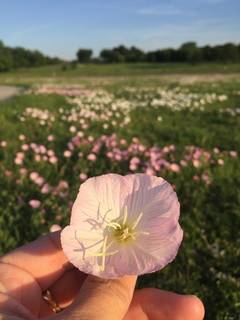
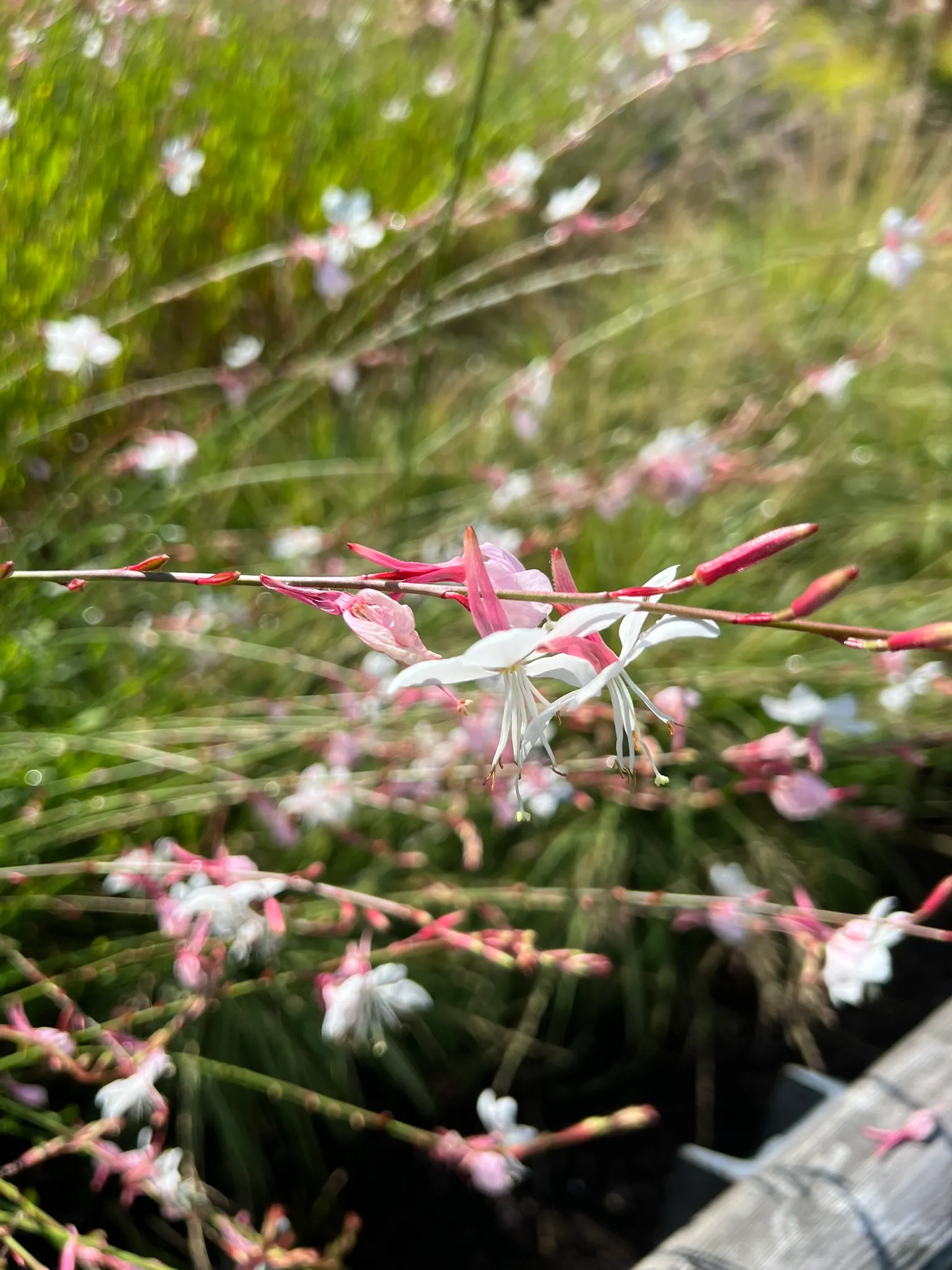
Oenothera lindheimeri is a herbaceous to semi-evergreen perennial reaching 36-60 inches (90-150 cm) tall and 24-36 inches (60-90 cm) wide, with wiry branching stems forming an open, airy clump from a deep taproot. The species was formerly classified as Gaura lindheimeri and is still sold under that name. Leaves are narrow, lance-shaped, 1-3 inches (2.5-8 cm) long, medium green, often with red-tinged margins. Loose, open racemes bear small four-petaled flowers 0.75-1 inch (2-2.5 cm) across in white opening and aging to pale pink over approximately 24 hours, with reflexed petals and long-exserted stamens that give each flower the appearance of a moth or butterfly in flight; individual flowers last one day. Continuous bud production over June through October produces 5 months of bloom, with flowers and buds carried simultaneously on the same raceme. Hardy in USDA zones 5-9; plants in zone 5 require sharp drainage and often behave as short-lived 2-3 year perennials. The deep taproot makes established plants drought tolerant but also makes division or transplanting impractical. Compact cultivars in the trade include 'Whirling Butterflies', 'Siskiyou Pink', and 'Crimson Butterflies' at 18-36 inches (45-90 cm).
Native Range
Oenothera lindheimeri is native to Texas and Louisiana, where it grows on open prairies, roadsides, and disturbed ground in full sun and poor, sharply drained soils. Plants have naturalized in parts of western North America, Australia, and southern Europe from garden escapes.Suggested Uses
Planted in dry perennial borders, gravel gardens, prairie-style plantings, and containers of 5 gallons (19 L) or more at 24-30 inch (60-75 cm) spacing. The airy habit and multi-month bloom suit massing and mixed-drought plantings alongside ornamental grasses and other low-water perennials. Compact cultivars such as 'Whirling Butterflies' (24-30 inches / 60-75 cm) and 'Crimson Butterflies' (18-24 inches / 45-60 cm) suit smaller borders and container plantings. Not grown in heavy clay or consistently moist soils, where plants flop, flower poorly, and are short-lived.How to Identify
Appearance
Size & Dimensions
Height3' - 5'
Width/Spread2' - 3'
Bloom Information
Flowering runs June through October in USDA zones 5-9, spanning approximately 20 weeks. Individual flowers open white in the early morning, age through white-to-pink over about 24 hours, and drop by the following morning; each raceme carries buds, open flowers, and spent flowers simultaneously. Continuous bud production over the full bloom period produces an uninterrupted flower display. Bloom is reduced during summer heat above 100°F (38°C) and resumes as temperatures moderate in September.
Detailed Descriptions
Flower Description
White opening, aging to pale pink over 24 hours; four reflexed petals 0.75-1 inch (2-2.5 cm) with long-exserted stamensFoliage Description
Medium green, narrow lance-shaped 1-3 inches (2.5-8 cm), often with red-tinged marginsGrowing Conditions
Sun Requirements
Requires 6-8 hours of direct sunlight daily
• Full Sun: 6+ hours of direct sunlight
• Partial Shade: 3-6 hours of direct sunlight
• Full Shade: Less than 3 hours of direct sunlight
Care & Maintenance
Care Guide
Plants grow in full sun in lean to average, sharply drained, neutral to slightly alkaline soil with a pH of 6.0-7.5. Rich or consistently moist soils produce tall floppy stems, reduced flowering, and shorter lifespans. Drought tolerant once the taproot is established, typically after the first full growing season. Division and transplanting are not practiced because the taproot breaks and does not regenerate; propagation is from seed or stem cuttings taken in spring. In USDA zone 5, winter crown rot is the main cause of loss; siting on sharply drained sandy or rocky ground extends lifespan to 3-5 years. Cutting the whole plant back by one-third in late June produces compact regrowth and reduces staking.Pruning
Cut the whole plant back by one-third in late June to produce compact bushy regrowth and extend the flowering period into October. Cut spent raceme tips back to a lateral branch to maintain fresh bloom. Cut all stems to 6 inches (15 cm) above the crown in late fall. Division is not practiced; the taproot does not regenerate after disturbance. Propagation is from seed or spring stem cuttings.Pruning Schedule
Prune: June & October
late springfall
Container Growing
Suitable for container growing
Minimum container size: 5 gallons