Oenothera, Genus, parviflora, Species,
- Genus & species
northern evening-primrose
Overview
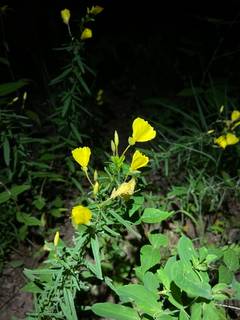
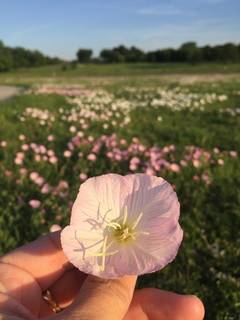
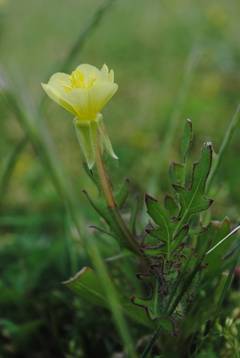
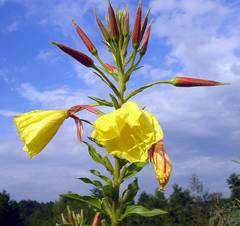
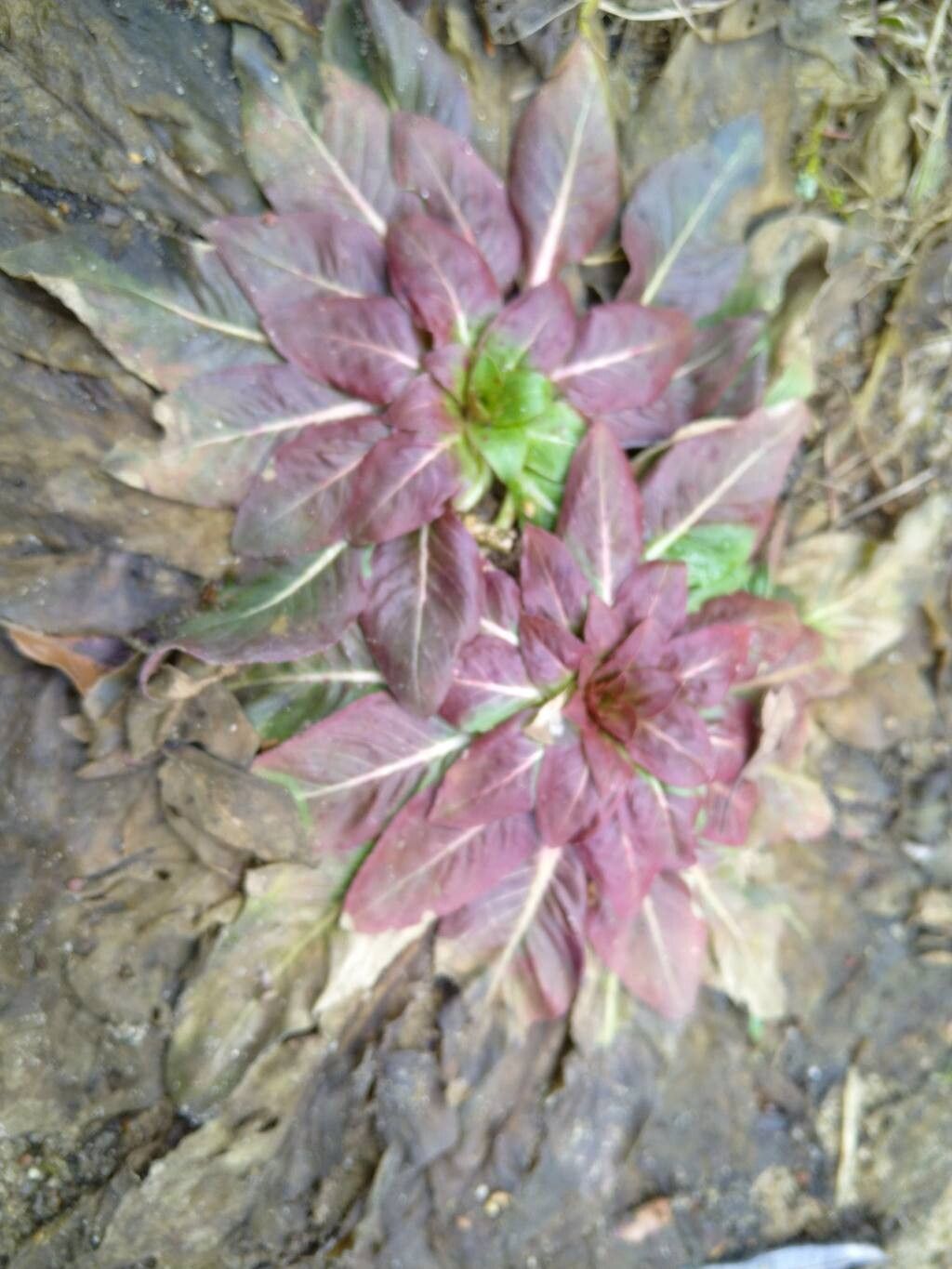
Oenothera parviflora is a biennial that forms a low rosette of leaves in its first year and sends up a flowering stem 1-5 feet (30-150 cm) tall in its second year. Stems are often reddish and hairy, bearing lance-shaped leaves 2-6 inches (5-15 cm) long with wavy or slightly toothed margins. Yellow four-petaled flowers 0.5-1 inch (1.3-2.5 cm) across open in the evening and fade the following day, blooming along a spike from June to September. The flower buds and sepals are frequently tinged red. After flowering, narrow capsules 0.8-1.4 inches (2-3.5 cm) long form along the stem and release many small seeds. The plant dies after setting seed in its second year. It self-seeds and can appear in numbers on disturbed ground, then declines as other vegetation fills in. Flowers open over a period of weeks, with only a few open on any given evening.
Native Range
Native to eastern and northern North America, from eastern Canada south through the northeastern and north-central United States. Grows in open disturbed ground, fields, roadsides, dunes, and stream banks in well-drained sandy or gravelly soils.Suggested Uses
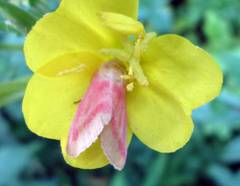
Grown in meadow, prairie, and native habitat plantings and on sandy or disturbed banks, spaced 12-18 inches (30-45 cm) apart. The evening-opening flowers are visited by night-flying moths. The biennial habit and self-seeding suit naturalized plantings more than formal borders.How to Identify
Appearance
Size & Dimensions
Height1' - 5'
Width/Spread1' - 1'6"
Bloom Information
Flowers from June to September, with individual flowers opening in the evening and closing by midday. Each flower lasts about one day, and the plant produces new flowers in succession over 6-10 weeks. Flowering is concentrated in mid to late summer and ends with the first hard frost.
Detailed Descriptions
Foliage Description
greenGrowing Conditions
Sun Requirements
Requires 6-12 hours of direct sunlight daily
• Full Sun: 6+ hours of direct sunlight
• Partial Shade: 3-6 hours of direct sunlight
• Full Shade: Less than 3 hours of direct sunlight
Care & Maintenance
Care Guide
Grows in full sun in well-drained sandy, gravelly, or loamy soil of low fertility. It withstands dry conditions once the first-year rosette is established and grows on poor, disturbed ground where many other plants struggle. Rich or heavily watered soil produces tall stems that bend or fall over. As a biennial, it flowers and dies in its second year, persisting in a planting only through self-sown seed. Japanese beetles and leaf-eating caterpillars may feed on foliage in summer. Powdery mildew can appear on leaves late in the season in humid conditions.Pruning
Cut the dead flowering stem to the ground after seed drop in fall or in early spring. Removing seed capsules before they open limits self-seeding. No other pruning is required during the two-year cycle.Pruning Schedule
Prune: March & October
fallearly spring