Image 1 of 10
1 / 10
© Matt Lavin from Bozeman, Montana, USA, some rights reserved (CC-BY-SA) · Wikimedia Commons
Oenothera, Genus, pallida, Species,
- Genus & species
pale evening primrose
Overview
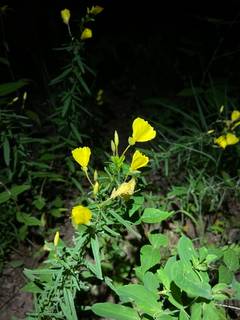
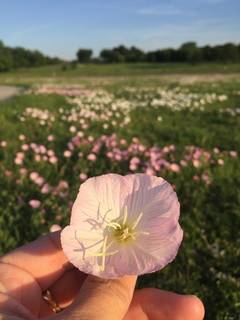
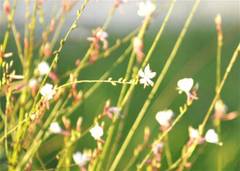
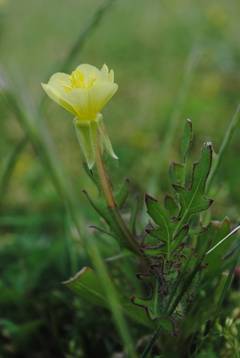
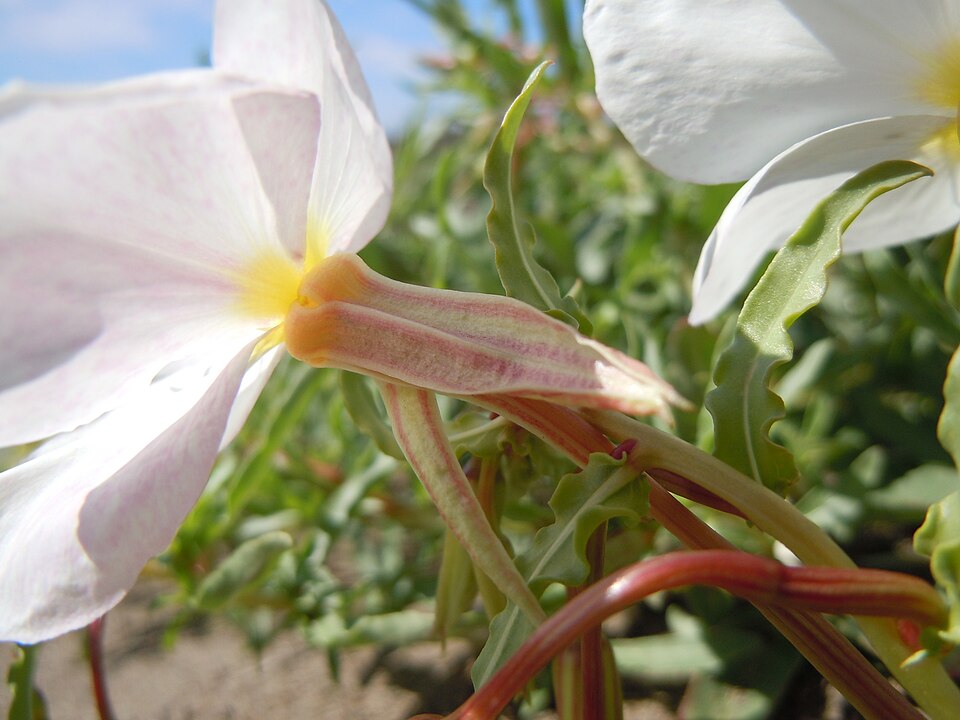
A perennial growing 6–20 inches (15–50 cm) tall, spreading by rhizomes into loose patches with several branching, often reddish stems. Leaves are alternate, narrow, lance-shaped to wavy-edged, 1–3 inches (2.5–8 cm) long, and gray-green. White four-petaled flowers, 1.5–3 inches (4–8 cm) across, open in the evening and close by the following midday, fading to pink as they age. The flowers are fragrant and carry a cross-shaped stigma and yellow anthers. Bloom occurs from May to August. Each flower lasts about one day, with new buds opening over many weeks. Slender four-angled seed capsules follow. The plant grows from spreading roots, tolerates loose sandy soil, and can form colonies. It dies back to the rootstock each winter. Foliage may scorch in intense reflected heat.
Native Range
Native to western North America from British Columbia and the Great Plains west to California and south to Arizona and New Mexico. Grows in sandy soils, dunes, sagebrush flats, and dry roadsides in full sun.Suggested Uses
Grown in sandy native plantings, dune stabilization, rock gardens, and dryland borders at 12–18 inch (30–45 cm) spacing. Used in evening and moth-pollinator gardens for its night-opening fragrant flowers. Suited to loose, dry soils, where its spreading roots fill open sandy ground.How to Identify
Appearance
Size & Dimensions
Height6" - 1'8"
Width/Spread1' - 2'
Colors
Bloom Information
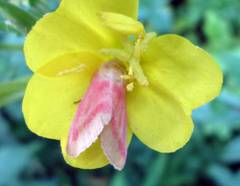
Flowers from May to August, with each bloom opening in the evening and closing by the next midday. Individual flowers last about one day, but a plant produces new flowers for 8–12 weeks. Evening opening coincides with pollination by night-flying moths.
Detailed Descriptions
Flower Description
White aging to pinkFoliage Description
Gray-greenGrowing Conditions
Sun Requirements
Requires 6-12 hours of direct sunlight daily
• Full Sun: 6+ hours of direct sunlight
• Partial Shade: 3-6 hours of direct sunlight
• Full Shade: Less than 3 hours of direct sunlight
Care & Maintenance
Care Guide
Grows in full sun in dry, sandy or gravelly, well-drained soils. Water occasionally during the first season; established plants tolerate drought and decline in wet or heavy soils. The spreading rhizomes form colonies and can move beyond the original planting. Excess water and rich soil cause floppy growth and root rot. Flowers are pollinated by night-flying hawkmoths. Few pests or diseases affect it.Pruning
Cut dead stems to the ground in late fall or early spring. Spreading roots can be cut back in spring to limit the patch. Removing seed capsules reduces self-seeding. No other pruning is needed.Pruning Schedule
Prune: March & November
fallearly spring