Oenothera, Genus, gaura, Species,
- Genus & species
biennial beeblossom
Overview
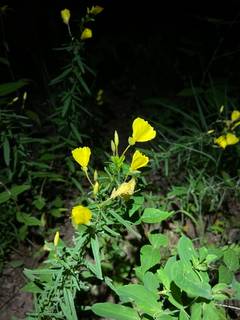
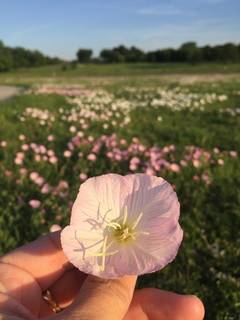
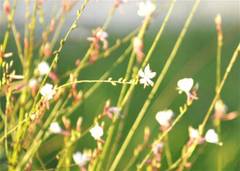
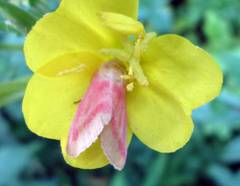
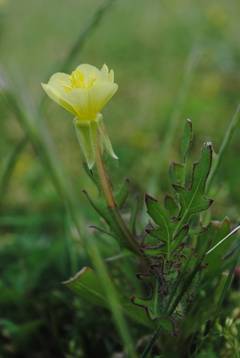
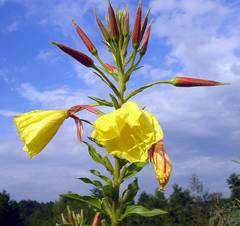
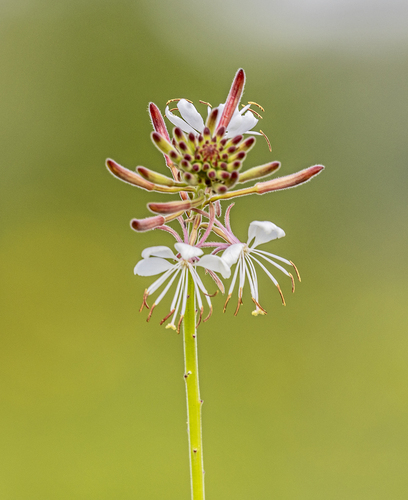
Oenothera gaura is a biennial in the evening primrose family that forms a low rosette of leaves in its first year and a tall, branching flower stalk 2-6 feet (0.6-1.8 m) high in its second. The stems are slender and often reddish, carrying narrow, toothed leaves. From early summer into fall it bears loose, airy spikes of four-petaled flowers about 0.5-0.75 inch (1.3-2 cm) wide that open white in the evening and fade to pink the next day. Long stamens give the flowers a fringed look, and they draw evening moths and bees. The plant flowers from the bottom of the spike upward over many weeks. After setting seed, the plant dies, completing its two-year cycle. It self-sows readily and can spread where soil is bare, sometimes appearing weedy. It grows on open ground, prairies, roadsides, and disturbed sites across the central and eastern United States, tolerating heat, drought, and poor soils. The thin, open form can flop without support or in rich soil. It grows in full sun on well-drained ground and is hardy in USDA zones 5 to 8.
Native Range
Native to the central and eastern United States, from the Great Plains east to the Atlantic, growing on prairies, old fields, roadsides, stream banks, and disturbed open ground.Suggested Uses
Used in wildflower meadows, prairie plantings, pollinator and moth gardens, and naturalized borders, spaced 18-24 inches (45-60 cm) apart. Its evening flowers suit gardens enjoyed at dusk. Self-sows to maintain a presence in informal plantings.How to Identify
Appearance
Size & Dimensions
Height2' - 6'
Width/Spread1' - 2'
Bloom Information
Blooms from early summer into fall, roughly June to September, with flowers opening in the evening and lasting into the following day. New flowers open in succession up the spike over many weeks. The white-to-pink color shift means both shades appear on a plant at once.
Detailed Descriptions
Flower Description
white to pinkFoliage Description
greenGrowing Conditions
Sun Requirements
Requires 6-10 hours of direct sunlight daily
• Full Sun: 6+ hours of direct sunlight
• Partial Shade: 3-6 hours of direct sunlight
• Full Shade: Less than 3 hours of direct sunlight
Care & Maintenance
Care Guide
Grow in full sun in well-drained soil of low to average fertility; lean ground produces sturdier stems. Rich or moist soil makes the tall stems flop and may call for staking or cutting back. Water is seldom needed once established, as the species is drought tolerant. Sow seed directly or let plants self-sow, since the taproot resents moving. As a biennial, it flowers and dies in its second year, so a few seedlings each year keep a stand going. No serious pests or diseases affect it.Pruning
Cutting the plant back by a third in early summer reduces height and flopping and delays bloom slightly. Spent flower spikes can be removed to limit self-seeding or left to feed birds and reseed. Dead stems are cleared after the plant finishes its cycle.Toxicity
Non-toxicPlanting Guide
Planting Methods & Timing
Planting Method
direct sow
Direct Sow Timing
fall or early spring
Plant Spacing
18 inches