Image 1 of 2
1 / 2
© F. D. Richards from Clinton, MI, some rights reserved (CC-BY-SA) · Wikimedia Commons
Chamaecyparis, Genus, obtusa, Species, 'Kosteri', Cultivar,
- Genus & species
- Cultivar
Koster's hinoki cypress
Species native to Japan and Taiwan; cultivar named for Koster nursery, Boskoop, Netherlands
Overview
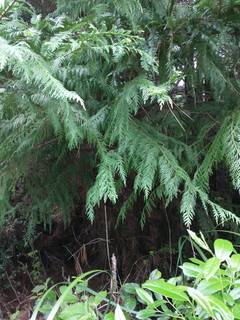
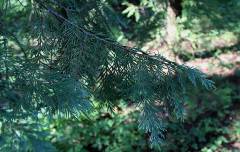
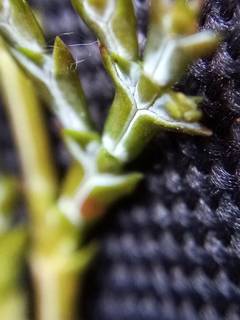
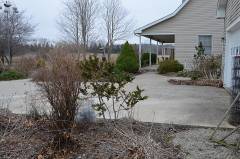
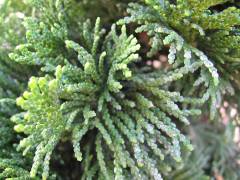
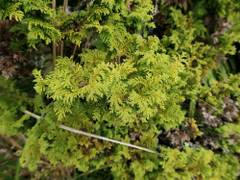
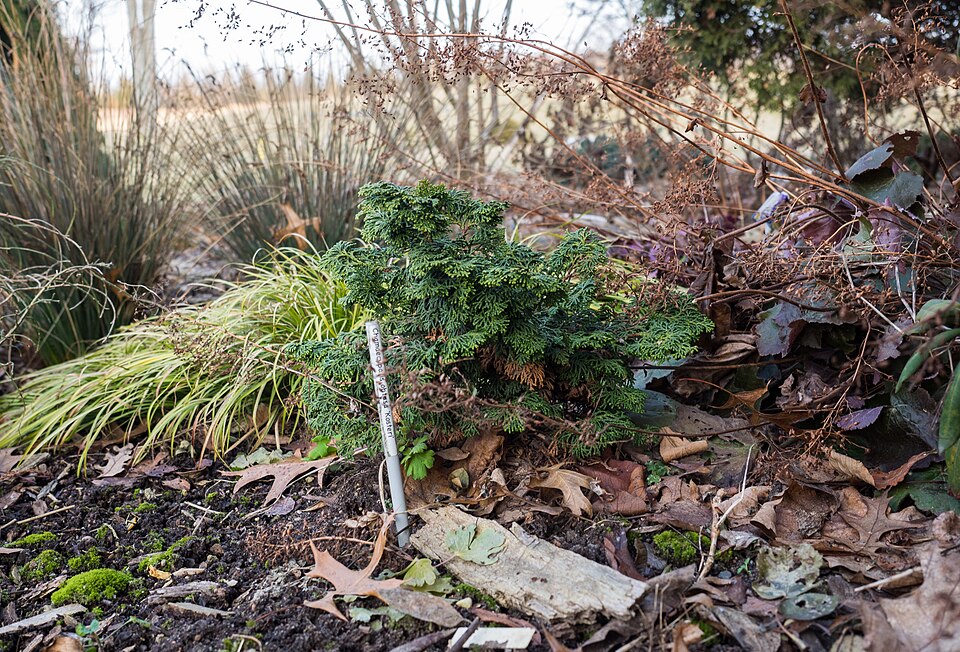
Chamaecyparis obtusa 'Kosteri' is a very slow-growing, dense, irregularly conical to broadly pyramidal, evergreen coniferous shrub reaching 3–5 feet (0.9–1.5 m) tall with a spread of 2–4 feet (0.6–1.2 m) after 10 years. The foliage is arranged in cupped, shell-like fans of tightly overlapping scale leaves, held at various angles that produce a complex, three-dimensional surface texture. Foliage color is bright green to rich green. The cupped spray arrangement resembles 'Nana' but the individual fans are slightly more open and the overall form is more conical (versus the flat-topped dome of 'Nana'). Growth rate is very slow at 1–3 inches (2.5–8 cm) per year; a 20-year-old specimen typically reaches only 4–5 feet (1.2–1.5 m). The dense, tight growth and slow rate place 'Kosteri' among the smallest hinoki selections in commerce, alongside 'Nana' and 'Pygmaea'. Interior browning of shaded foliage is normal. 'Kosteri' is sometimes confused with 'Nana Gracilis' in the nursery trade; 'Nana Gracilis' is a larger form reaching 6–10 feet (1.8–3 m). Spider mites occur in hot, dry conditions.
Native Range
The species Chamaecyparis obtusa is native to Japan (Honshu, Shikoku, Kyushu) and Taiwan, occurring in moist mountain forests from 1,500 to 6,500 feet (450–2,000 m). 'Kosteri' was named after the Koster nursery in Boskoop, Netherlands, where it was introduced in the early 20th century.Suggested Uses
Planted as a specimen in rock gardens, trough gardens, Asian-style gardens, and conifer collections at 3–4 foot (0.9–1.2 m) spacing. The very slow growth and dense texture suit small-scale plantings. Functions in containers of at least 3 gallons (11 L). Positioned at entries and along paths, the intricate cupped-fan foliage reads at close range (within 3–6 feet / 0.9–1.8 m). Paired with low ground covers, mosses, and miniature companion plants, the compact conical form anchors miniature composition without dominating.How to Identify
Appearance
Size & Dimensions
Height3' - 5'
Width/Spread2' - 4'
Bloom Information
Small, round, reddish-brown cones 0.3–0.4 inch (8–10 mm) across may develop on mature specimens. Cones are inconspicuous. Pollen release occurs in spring (March–April) on mature plants.
Detailed Descriptions
Foliage Description
Bright green to rich green, cupped shell-like fansGrowing Conditions
Sun Requirements
Requires 4-8 hours of direct sunlight daily
• Full Sun: 6+ hours of direct sunlight
• Partial Shade: 3-6 hours of direct sunlight
• Full Shade: Less than 3 hours of direct sunlight
Care & Maintenance
Care Guide
Plant in full sun to partial shade in moist, well-drained, acidic to neutral soil. Consistent moisture is beneficial, particularly during establishment. Hot, drying winds cause browning of exposed foliage; sheltered sites hold foliage quality longer. The very slow growth means the cultivar takes 15–20 years to reach even 3 feet (0.9 m). Interior browning of shaded foliage is normal. Spider mites occur in hot, dry conditions. No other serious pest or disease issues.Pruning
Minimal pruning required. Dead interior branches are removed as they appear. Shearing damages the natural cupped-fan texture and the foliage does not regenerate from bare wood. The very dense growth self-maintains form without shaping.Pruning Schedule
Prune: May
late spring
Container Growing
Suitable for container growing
Minimum container size: 3 gallons