Image 1 of 15
1 / 15
Plant Reference
Chamaecyparis, Genus, lawsoniana, Species,
- Genus & species
lawson cypress
Klamath Mountains of southwestern Oregon and northwestern California
Overview
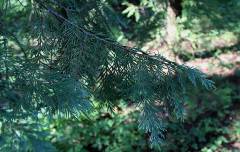
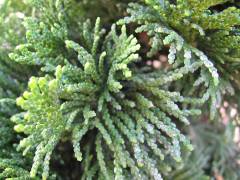
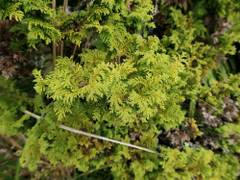
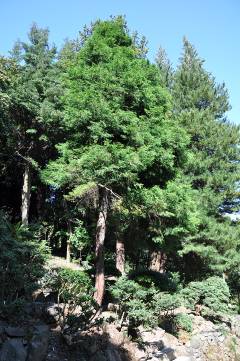
Chamaecyparis lawsoniana is a large, narrowly pyramidal evergreen conifer growing 40-60 feet (12-18 m) tall and 10-15 feet (3-4.5 m) wide in cultivation; wild trees reach 200 feet (60 m). Blue-green to dark green flattened scale-like foliage is arranged in horizontal sprays with pendulous drooping branch tips. Crushed foliage releases a parsley or ginger-like fragrance not shared by other Pacific Northwest conifers. Small globose cones, 0.3 inch (8 mm), ripen from green to brown in August-September. Reddish-brown male pollen cones shed pollen in February-March. The species name lawsoniana honors Peter Lawson & Son, an Edinburgh nursery that first distributed the species commercially in 1854. Native to a restricted area in the Klamath Mountains of southwestern Oregon and northwestern California — the species' entire natural range covers approximately 200 miles (320 km) of coastline and adjacent mountains. Wild and cultivated populations are threatened by Phytophthora lateralis, a water mold that causes lethal root rot; the pathogen has killed trees across much of the native range and in Pacific Northwest gardens. More than 200 cultivars exist in forms ranging from 6-inch (15 cm) dwarf globes to full-sized trees, with foliage in green, blue, gold, and variegated patterns. Not drought-tolerant — requires consistent moisture. Non-toxic. Deer-resistant.
Native Range
Native to the Klamath Mountains of southwestern Oregon and northwestern California; the entire natural range covers approximately 200 miles (320 km) of coastline and adjacent mountains.Suggested Uses
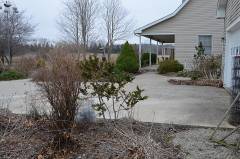
Grown as a large specimen, screening, or hedging conifer in Pacific Northwest gardens where moisture is adequate and Phytophthora lateralis is not present, spaced 10-15 feet (3-4.5 m) apart. The more than 200 cultivars span forms from 6-inch (15 cm) dwarf globes to 60-foot (18 m) trees in green, blue, gold, and variegated foliage. Non-toxic. Hardy in zones 5-8.How to Identify
Appearance
Size & Dimensions
Height40' - 60'
Width/Spread10' - 15'
Bloom Information
Reddish-brown male pollen cones shed pollen in February-March. Small globose female cones, 0.3 inch (8 mm), ripen from green to brown August-September of the same year. Wind-pollinated. Ripe cones release winged seeds.
Detailed Descriptions
Foliage Description
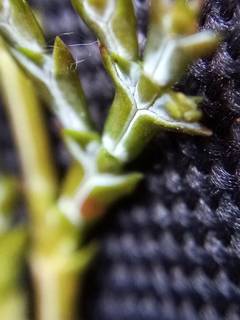
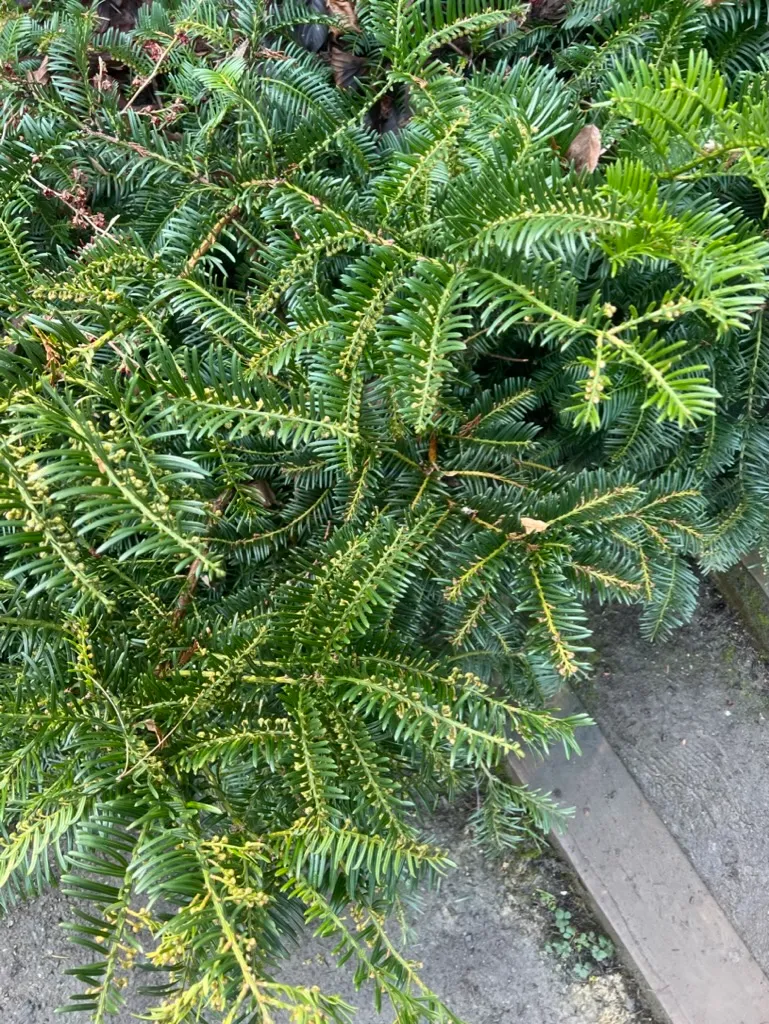
blue-green to dark green; flattened scale-like sprays in horizontal planes; pendulous drooping branch tips; parsley or ginger-like fragrance when crushedGrowing Conditions
Sun Requirements
Requires 3-10 hours of direct sunlight daily
• Full Sun: 6+ hours of direct sunlight
• Partial Shade: 3-6 hours of direct sunlight
• Full Shade: Less than 3 hours of direct sunlight
Care & Maintenance
Care Guide
Site in full sun to partial shade (3-10 hours) in moist, well-drained soil with a pH of 5.5-7.5. Requires consistent moisture — not drought-tolerant. Phytophthora lateralis root rot is a significant threat; sites with known pathogen history are not suitable, and only certified disease-free nursery stock should be sourced. Irrigation water from potentially contaminated streams can introduce the pathogen. Many cultivars are available in a wide range of sizes, habits, and foliage colors. Non-toxic. Deer-resistant. Hardy in zones 5-8.Pruning
No pruning is required for the natural form. Lower branches can be removed to raise the crown. Light shearing of young plants maintains denser form. Cuts into bare old wood recover poorly — restrict pruning to green growth. The pendulous branch tips should not be removed.Pruning Schedule
Prune: April
late spring