Image 1 of 15
1 / 15
Plant Reference
Chamaecyparis, Genus, pisifera, Species,
- Genus & species
Sawara cypress
Mountain forests of Japan — Honshu, Shikoku, and Kyushu; moist slopes at 1,000-5,000 feet (300-1,500 m)
Overview
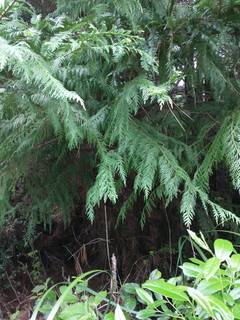
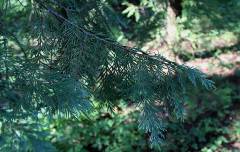
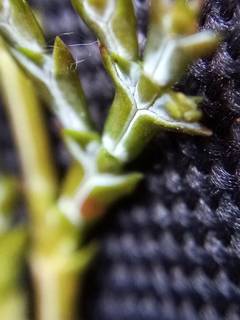
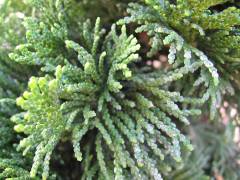
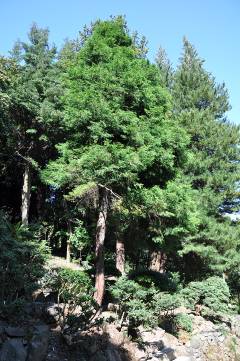
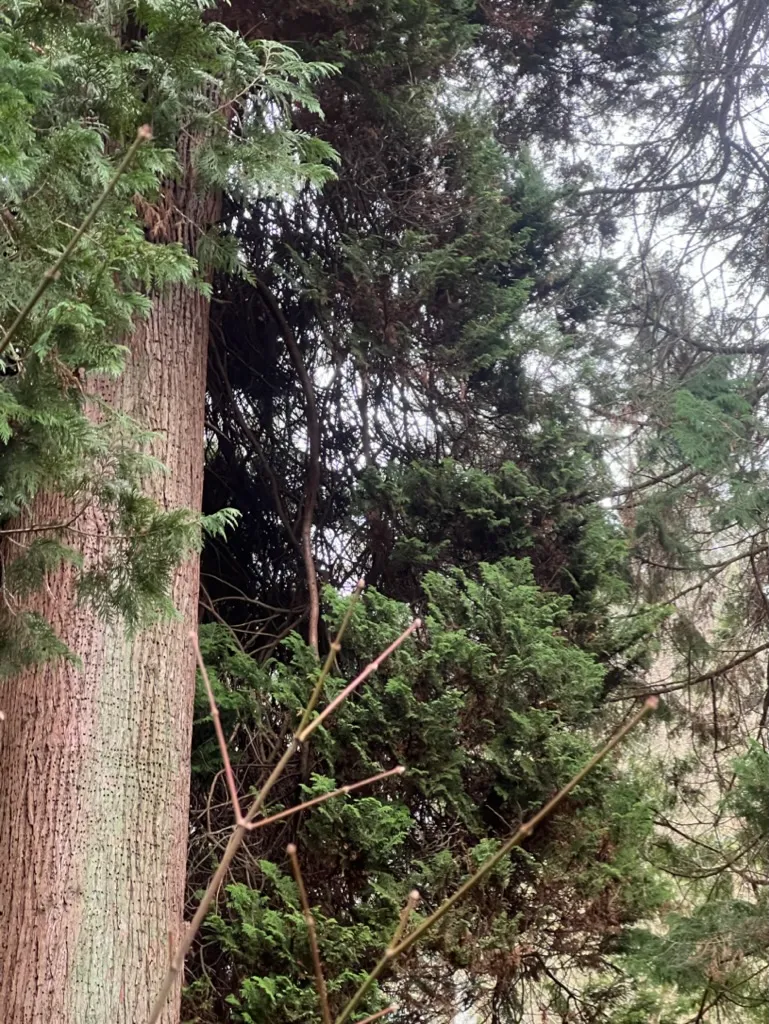
Chamaecyparis pisifera is a large, upright coniferous evergreen tree growing 50-70 feet (15-21 m) tall and 10-20 feet (3-6 m) wide. Blue-green to dark green scale-like foliage has sharply pointed tips, in contrast to the blunt rounded tips of C. obtusa. Tiny pea-sized globose cones, approximately 0.25 inch (6 mm), ripen green to brown in September-October — smaller than cones of C. obtusa (0.3-0.5 inch / 8-13 mm). White X-shaped stomatal markings appear on the undersides of the sprays. Reddish-brown bark exfoliates in thin strips. The species name pisifera means pea-bearing, referring to the small cone size. Branching is more open and less densely layered than in C. obtusa. Five cultivar foliage forms are recognized: Squarrosa (juvenile-foliage), Plumosa (plumose), Filifera (thread-like pendulous), Nana (dwarf), and Aurea (golden). The straight species is infrequently planted in landscapes and is typically represented by these cultivars. With age, internal branches and canopy sections can die back. Native to moist mountain slopes of Honshu, Shikoku, and Kyushu, Japan at 1,000-5,000 feet (300-1,500 m). Not drought-tolerant — requires consistent moisture. Non-toxic. Deer-resistant.
Native Range
Native to mountain forests of Japan — Honshu, Shikoku, and Kyushu. Found on moist slopes at 1,000-5,000 feet (300-1,500 m) elevation.Suggested Uses
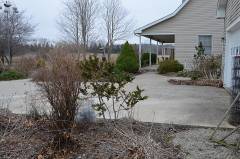
Grown as a specimen conifer on large sites, spaced 10-20 feet (3-6 m) apart. The species is less common in landscape use than its cultivars, which are typically planted for their varied foliage forms (thread-like, plumose, juvenile, golden, dwarf). Non-toxic. Hardy in zones 4-8.How to Identify
Appearance
Size & Dimensions
Height50' - 70'
Width/Spread10' - 20'
Reproduction
Wind-pollinated. Reddish-brown pollen cones shed pollen in March-April. Tiny pea-sized globose female cones, approximately 0.25 inch (6 mm), ripen from green to brown in September-October; cones are often abundant even on young trees.
Detailed Descriptions
Foliage Description
blue-green to dark green, scale-like with sharply pointed tips (contrasting with the blunt rounded tips of C. obtusa); white X-shaped stomatal markings on undersides; branching more open and less dense than C. obtusa; reddish-brown bark exfoliating in thin strips; evergreen year-roundGrowing Conditions
Sun Requirements
Requires 3-10 hours of direct sunlight daily
• Full Sun: 6+ hours of direct sunlight
• Partial Shade: 3-6 hours of direct sunlight
• Full Shade: Less than 3 hours of direct sunlight
Care & Maintenance
Care Guide
Site in part sun to full sun (3-10 hours direct sun) in moist soil with a pH of 5.5-7.5. Not drought-tolerant — requires consistent moisture. Large mature size of 50-70 feet (15-21 m) tall and 10-20 feet (3-6 m) wide requires a large site. Internal dieback may occur with age; removal of dead interior branches improves plant appearance. Non-toxic. Deer-resistant. Hardy in zones 4-8.Pruning
Prune in late spring (April) if needed. Remove dead interior branches to maintain plant appearance as trees age. The natural pyramidal form requires minimal shaping; shearing damages the spray structure and is not recommended.Pruning Schedule
Prune: April
late spring