Chamaecyparis, Genus, obtusa, Species,
- Genus & species
hinoki cypress
Mountain forests of Japan (Honshu, Shikoku, Kyushu) and Taiwan at 1,600-8,200 feet (500-2,500 m)
Overview
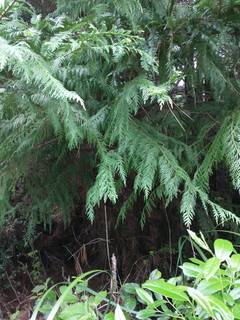
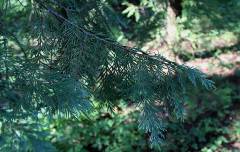
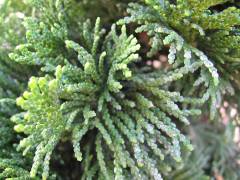
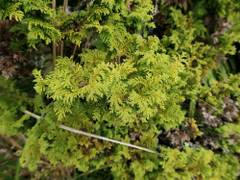
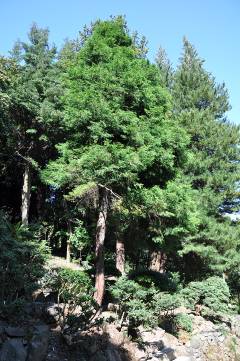
Chamaecyparis obtusa is hinoki cypress (Japanese cypress), an upright coniferous tree growing 50-75 feet (15-23 m) tall and 20-30 feet (6-9 m) wide. Deep glossy green scale-like foliage in flattened shell-like sprays curling at the tips. White X- or Y-shaped stomatal markings on spray undersides. Reddish-brown bark exfoliating in vertical strips. Small globose cones 0.3-0.5 inch (8-13 mm). In Cupressaceae. Obtusa = blunt (rounded leaf tips). Sacred Japanese timber — used for Shinto shrines and imperial palaces. Hundreds of cultivars. Three diagnostics: shell-like curling sprays, white X/Y stomatal markings, reddish-brown exfoliating bark. The large mature size (50-75 feet / 15-23 m) limits use to large sites — this is the primary spatial limitation. Not drought-tolerant. Sweet resinous fragrance. Non-toxic. Deer-resistant. Native to Japan and Taiwan. Zones 4-8. Part sun. Growth rate is slow to moderate.
Native Range
Native to mountain forests of Japan (Honshu, Shikoku, Kyushu) and Taiwan at 1,600-8,200 feet (500-2,500 m).Suggested Uses
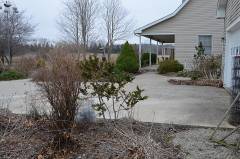
Grown as a large specimen conifer, in Japanese-style gardens, and as a screen on large sites, spaced 20-30 feet (6-9 m). Sacred Japanese timber. Hundreds of cultivars. Non-toxic. Zones 4-8.How to Identify
Appearance
Size & Dimensions
Height50' - 75'
Width/Spread20' - 30'
Reproduction
Wind-pollinated. Reddish-brown pollen in March-April. Small globose cones 0.3-0.5 inch (8-13 mm) ripen green to brown September-October.
Detailed Descriptions
Foliage Description
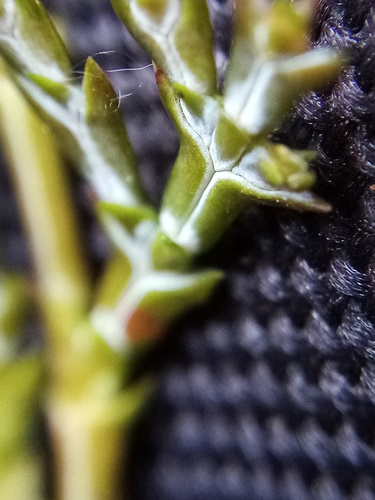
Deep glossy green above, scale-like with blunt rounded tips (obtusa = blunt), in flattened shell-like sprays that curl at the tips; white X- or Y-shaped stomatal markings on the spray undersides (diagnostic); reddish-brown bark exfoliating in vertical strips; sweet resinous fragrance; evergreen year-roundGrowing Conditions
Sun Requirements
Requires 3-10 hours of direct sunlight daily
• Full Sun: 6+ hours of direct sunlight
• Partial Shade: 3-6 hours of direct sunlight
• Full Shade: Less than 3 hours of direct sunlight
Care & Maintenance
Care Guide
Part sun to full sun (3-10 hours). Well-drained soil pH 5.5-7.0. Not drought-tolerant. Large mature size (50-75 feet / 15-23 m) — site on large properties. Minimal pruning. Sweet resinous fragrance. Non-toxic. Deer-resistant. Zones 4-8.Pruning
Prune in late spring (April) if needed to shape. The natural pyramidal form requires minimal pruning. Do not shear — hand-prune individual branches to maintain natural form.Pruning Schedule
Prune: April
late spring