Chamaecyparis, Genus, pisifera, Species, 'Golden Mop', Cultivar,
- Genus & species
- Cultivar
golden mop cypress
Species native to Japan (central and southern Honshu, Shikoku, Kyushu; moist mountain forests from 1,000 to 5,000 feet / 300–1,500 m); cultivar selected in cultivation
Overview
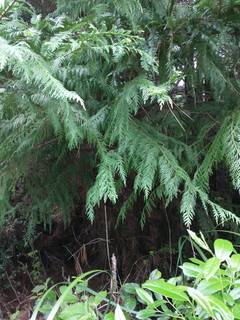
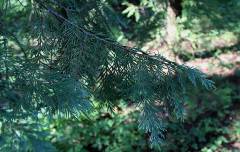
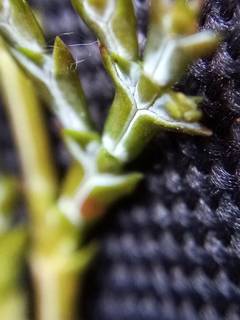
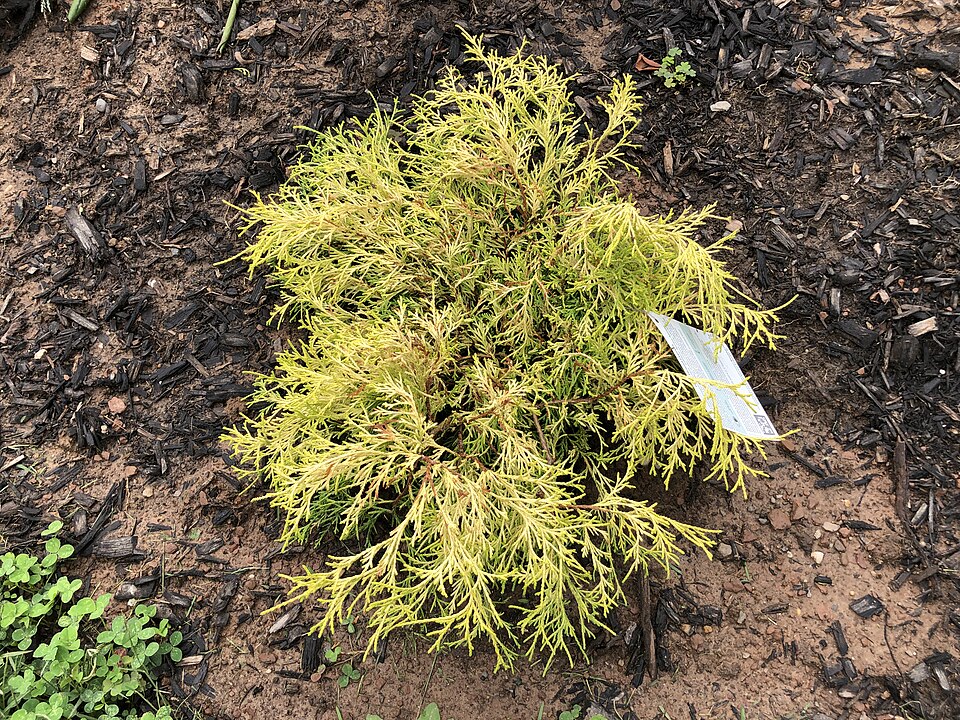
Chamaecyparis pisifera 'Golden Mop' is a slow-growing dense mounding evergreen coniferous shrub in the cypress family (Cupressaceae) reaching 3–5 feet (0.9–1.5 m) tall with a spread of 3–5 feet (0.9–1.5 m) after 10 years. The cultivar carries thread-like (filifera) golden-yellow string-like foliage that hangs in long pendulous cords 6–12 inches (15–30 cm) long, creating a mop-headed or cascading effect. Foliage reads as bright golden-yellow in full sun and fades to chartreuse-green in shade; spring new growth is the brightest gold of the seasonal cycle. The overall form is a dense rounded to broadly mounding dome with the pendulous thread-like foliage draping downward from the canopy surface. 'Golden Mop' is a compact selection of the larger 'Filifera Aurea' (which reaches 15–20 feet / 4.5–6 m). Growth rate is slow at 3–5 inches (8–13 cm) per year. Hardy to zone 4. 'Golden Mop' was selected in cultivation. The golden foliage may scorch in hot exposed sites, and afternoon shade in zones 7–8 prevents tip browning. Dead interior foliage accumulates inside the dense mop and benefits from periodic cleaning. Spider mites can develop in hot dry still-air conditions.
Native Range
The species Chamaecyparis pisifera is native to Japan (central and southern Honshu, Shikoku, Kyushu), where it grows in moist mountain forests from 1,000 to 5,000 feet (300–1,500 m). The cultivar 'Golden Mop' was selected in cultivation as a compact form of the larger 'Filifera Aurea'.Suggested Uses
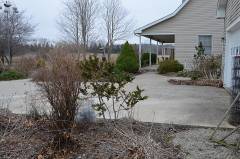
Grown as a specimen in foundation plantings, rock gardens, and mixed borders at 3–5 foot (0.9–1.5 m) spacing. The golden mop-headed form carries year-round color in residential-scale plantings, and the 3–5 foot mature size fits foundation-scale and small-garden positions where larger golden conifers would outgrow the space. The cultivar is widely grown in residential landscapes as a compact dwarf golden conifer. Container culture works in 5 gallon (19 L) or larger pots. Pairing with blue-foliaged conifers such as Picea pungens 'Glauca Globosa', dark green broadleaf shrubs such as Taxus, and purple-leaved perennials such as Heuchera 'Palace Purple' produces foliage-color contrast plantings. Formal clipped hedging is not suitable given the open mop-headed texture.How to Identify
Appearance
Size & Dimensions
Height3' - 5'
Width/Spread3' - 5'
Bloom Information
Small round brown cones 0.25 inch (6 mm) across may develop on mature plants but are inconspicuous. Pollen release from small male strobili occurs in spring. Cones and strobili are not an ornamental feature.
Detailed Descriptions
Foliage Description
Bright golden-yellow in sun and chartreuse-green in shade, thread-like pendulous cords 6-12 inches longGrowing Conditions
Sun Requirements
Requires 4-10 hours of direct sunlight daily
• Full Sun: 6+ hours of direct sunlight
• Partial Shade: 3-6 hours of direct sunlight
• Full Shade: Less than 3 hours of direct sunlight
Care & Maintenance
Care Guide
Grows in full sun to light afternoon shade in moist well-drained acidic to neutral soil at pH 5.0–6.5, tolerating loam. Hardy to zone 4. Full sun saturates the golden color; shade produces chartreuse-green foliage. In hot climates (zones 7–8), afternoon shade prevents foliage tip scorch. Consistent moisture benefits the plant and prevents premature interior browning. Shelter from hot drying winds prevents foliage desiccation. Heavy clay and waterlogged soils are avoided, as saturated soils promote root rot. Dead foliage accumulates inside the dense mop and is cleaned out annually to maintain air circulation and reduce fungal pressure. Spider mites can develop in hot dry still-air conditions.Pruning
Minimal pruning is required. Clean out dead interior foliage annually — the dense mop traps debris that compounds over years. Shearing into a formal shape is avoided, as the natural mop-headed form is the primary ornamental character and uniform clipping removes the long pendulous foliage cords that define the cultivar. All-green reverted shoots are removed promptly, as they grow faster than the golden stock and will dominate the canopy if allowed.Pruning Schedule
Prune: May
late spring
Container Growing
Suitable for container growing
Minimum container size: 5 gallons