Chamaecyparis, Genus, lawsoniana, Species, 'Glauca', Cultivar,
- Genus & species
- Cultivar
blue lawson cypress
Species from Klamath Mountains of SW Oregon/NW California; 'Glauca' is a cultivar selected for intensely blue-glaucous foliage
Overview
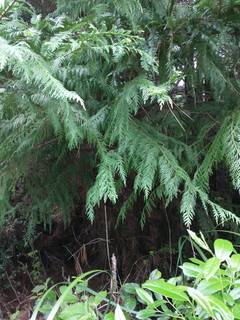
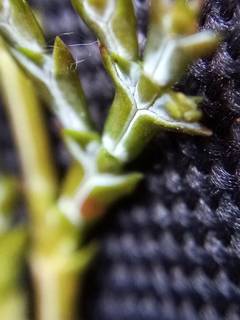
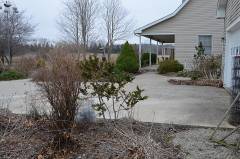
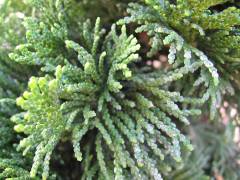
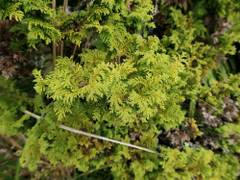
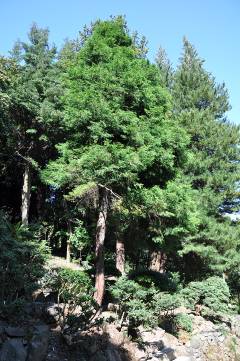
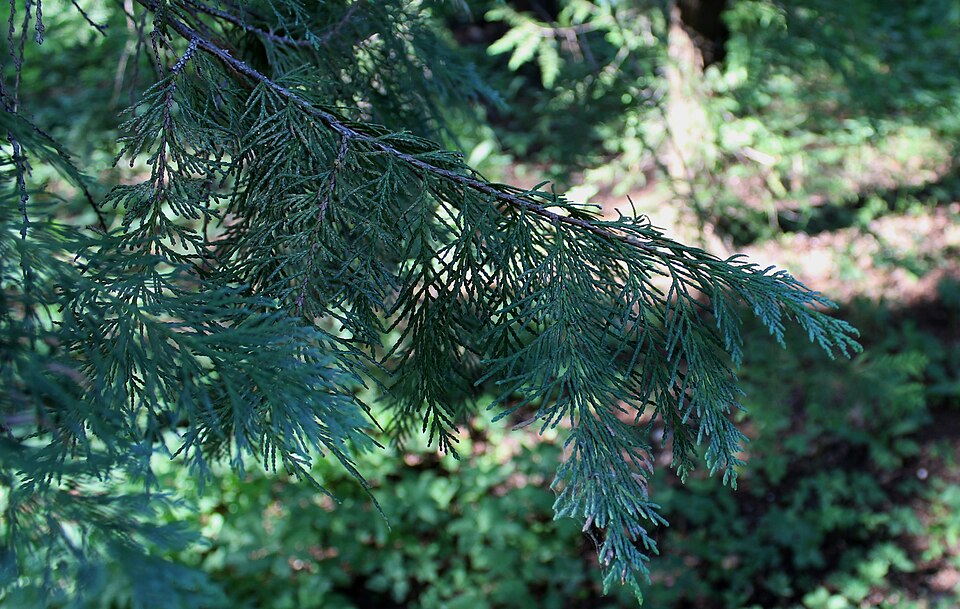
Chamaecyparis lawsoniana 'Glauca' is a large, narrowly pyramidal evergreen conifer growing 30-50 feet (9-15 m) tall and 8-12 feet (2.4-3.7 m) wide, selected for intensely silvery-blue to blue-gray foliage. The species name lawsoniana honors Peter Lawson & Son, Edinburgh nursery; Glauca means glaucous or blue-gray. Flattened scale-like foliage is arranged in horizontal sprays more vivid in blue coloration than the blue-green of the straight species. Pendulous drooping branch tips are characteristic of all C. lawsoniana. Crushed foliage releases a parsley or ginger-like fragrance. Small globose cones, 0.3 inch (8 mm). The blue foliage color is most intense in full sun; shade reduces the glaucous effect. Susceptible to Phytophthora lateralis root rot — the same water mold threatening all Lawson cypress cultivars and wild populations in the Pacific Northwest. Not drought-tolerant — requires consistent moisture. The narrow crown width of 8-12 feet (2.4-3.7 m) allows it to be planted in tighter lateral spaces than broadly spreading conifers. Non-toxic. Deer-resistant.
Native Range
Species native to the Klamath Mountains of southwestern Oregon and northwestern California. 'Glauca' is a cultivar selected for intensely blue-glaucous foliage.Suggested Uses
Grown as a large blue-foliaged specimen or screening conifer, spaced 8-12 feet (2.4-3.7 m) apart. The narrow crown allows planting in tighter lateral spaces than broadly spreading blue conifers of similar height. Pairs with gold- or dark-green-foliaged conifers for color contrast. Non-toxic. Hardy in zones 5-8.How to Identify
Appearance
Size & Dimensions
Height30' - 50'
Width/Spread8' - 12'
Bloom Information
Reddish-brown male pollen cones shed pollen in February-March. Small globose female cones, 0.3 inch (8 mm), ripen from green to brown August-September. Wind-pollinated.
Detailed Descriptions
Foliage Description
intensely silvery-blue to blue-gray; flattened scale-like sprays in horizontal planes; pendulous drooping branch tips; parsley or ginger-like fragrance when crushedGrowing Conditions
Sun Requirements
Requires 6-12 hours of direct sunlight daily
• Full Sun: 6+ hours of direct sunlight
• Partial Shade: 3-6 hours of direct sunlight
• Full Shade: Less than 3 hours of direct sunlight
Care & Maintenance
Care Guide
Site in full sun (6-12 hours) in moist, well-drained soil with a pH of 5.5-7.5. Blue foliage color is most intense in full sun; partial shade reduces the glaucous effect. Requires consistent moisture — not drought-tolerant. Susceptible to Phytophthora lateralis root rot; sites with known pathogen history are not suitable, and only certified disease-free stock should be sourced. Non-toxic. Deer-resistant. Hardy in zones 5-8.Pruning
No pruning is required for the natural form. Light shearing of young plants maintains denser form. Cuts into bare old wood recover poorly. The pendulous branch tips should not be removed.Pruning Schedule
Prune: April
late spring