Image 1 of 3
1 / 3
Plant Reference
Chamaecyparis, Genus, obtusa, Species, 'Gracilis', Cultivar,
- Genus & species
- Cultivar
slender hinoki cypress
Species from mountain forests of Japan and Taiwan; 'Gracilis' is a garden cultivar
Overview
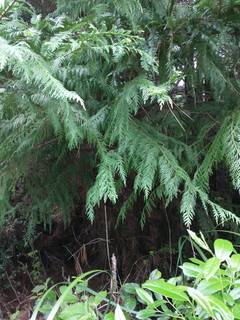
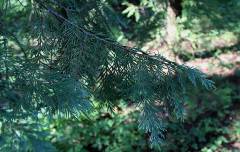
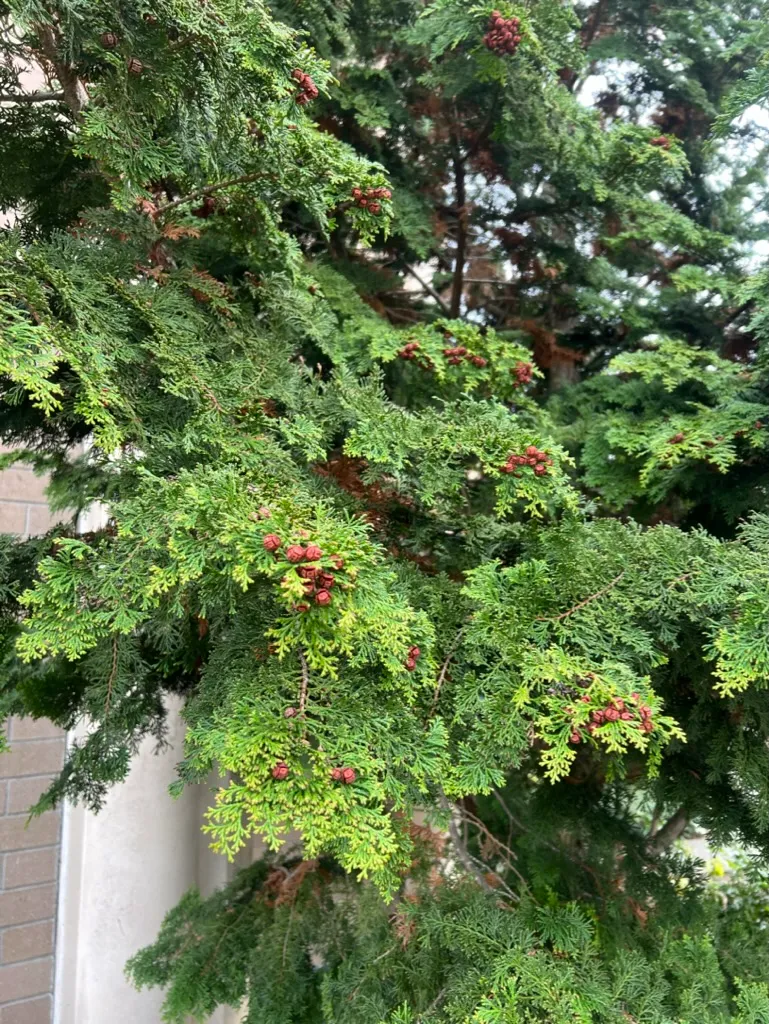
Chamaecyparis obtusa 'Gracilis' is slender hinoki cypress (graceful hinoki cypress), a narrowly pyramidal coniferous tree growing 20-30 feet (6-9 m) tall and 6-10 feet (1.8-3 m) wide. Dark glossy green scale-like foliage in flat shell-like sprays on gently pendulous branchlets. White X/Y stomatal markings on undersides. Reddish-brown fibrous bark. In Cupressaceae. Gracilis = slender/graceful. Roughly half the size of the species. The pendulous branchlets distinguish 'Gracilis' from the stiffer species form. Not to be confused with 'Nana Gracilis' (4-6 feet / 1.2-1.8 m). Slow-growing (20-30 years to mature). Not drought-tolerant. Not deer-resistant. Non-toxic. Zones 5-8. Part sun. Growth rate is slow.
Native Range
Species native to mountain forests of Japan and Taiwan. 'Gracilis' is a garden cultivar.Suggested Uses
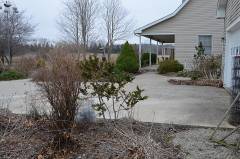
Grown as a specimen conifer, in Japanese-style gardens, and as a narrow vertical accent, spaced 6-10 feet (1.8-3 m). Narrower than species. Pendulous branchlets. Not deer-resistant. Non-toxic. Zones 5-8.How to Identify
Appearance
Size & Dimensions
Height20' - 30'
Width/Spread6' - 10'
Reproduction
Wind-pollinated. Small globose cones 0.3-0.5 inch (8-13 mm). March-April.
Detailed Descriptions
Foliage Description
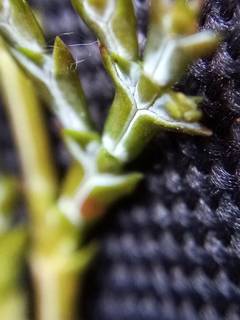
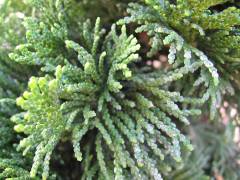
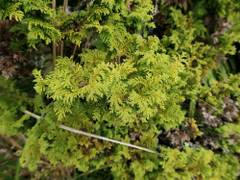
Dark glossy green, scale-like with blunt rounded tips, in flat shell-like sprays on gently pendulous branchlets; white X/Y stomatal markings on undersides; reddish-brown fibrous bark; sweet resinous fragrance; evergreen year-roundGrowing Conditions
Sun Requirements
Requires 4-8 hours of direct sunlight daily
• Full Sun: 6+ hours of direct sunlight
• Partial Shade: 3-6 hours of direct sunlight
• Full Shade: Less than 3 hours of direct sunlight
Care & Maintenance
Care Guide
Part sun to full sun (4-8 hours). Well-drained acidic soil pH 5.0-6.5. Not drought-tolerant. Slow-growing (20-30 years). Minimal pruning needed. Not deer-resistant. Non-toxic. Zones 5-8.Pruning
Prune in early spring (February-March) if needed. The natural narrowly pyramidal form requires minimal shaping. Hand-prune — do not shear.Pruning Schedule
Prune: February–March
early spring