Chamaecyparis pisifera 'Filifera', Thread Cypress
1 / 3
Coniferous Trees

Chamaecyparis pisifera 'Filifera'

Thread Cypress

CupressaceaeJapan

At a Glance

TypeTree
HabitMounding
FoliageEvergreen
Height20–30 feet (6–9 m)
Width15–20 feet (4.5–6 m)
Maturity20 years

Growing Zones

USDA Hardiness Zones

4 - 8
Zone 4
Zone 5
Zone 6
Zone 7
Zone 8
These zones indicate the coldest temperatures this plant can typically survive.
Frost Tolerancehardy

Key Features

Deer Resistant
Maintenancelow

Overview

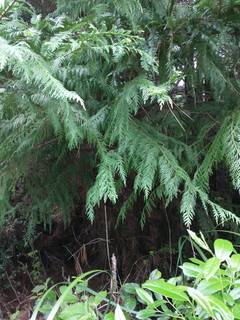
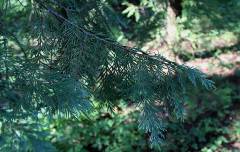
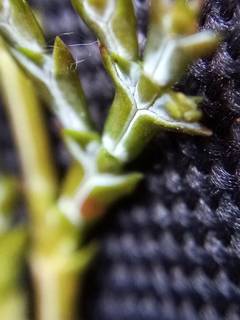
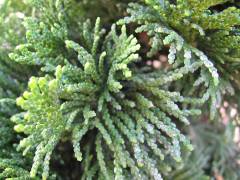
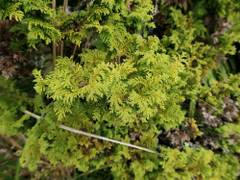
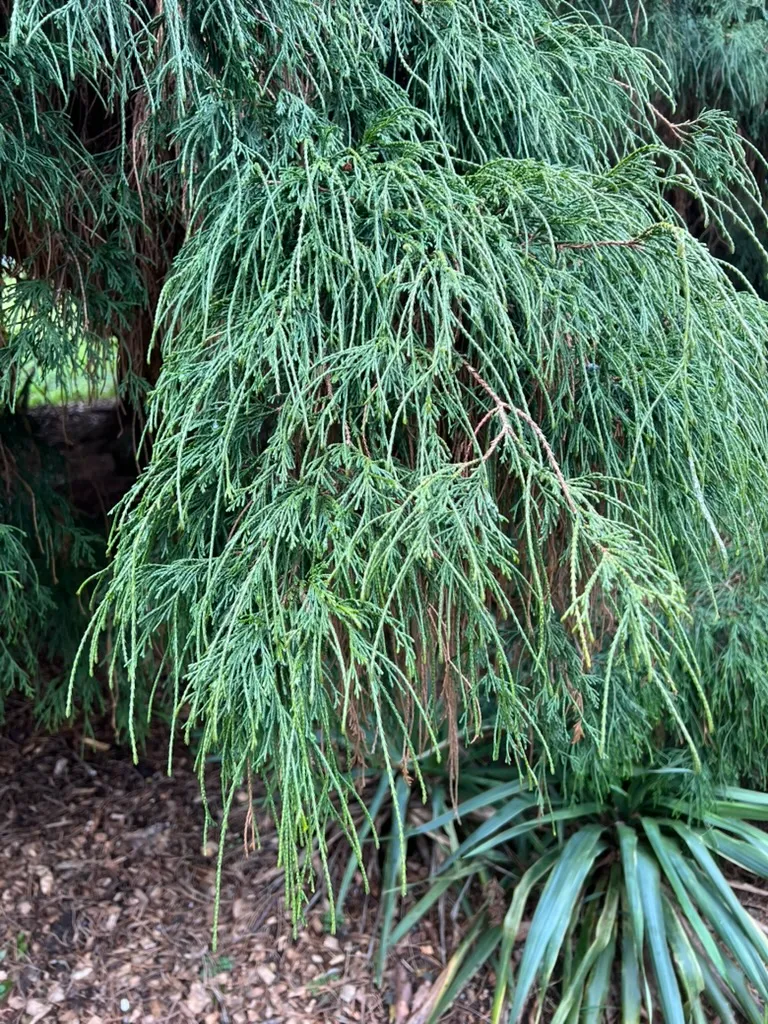
Chamaecyparis pisifera 'Filifera' is a large, broadly pyramidal to mounded, evergreen coniferous tree in the family Cupressaceae, a cultivar of Sawara cypress native to mountain forests of Japan, selected for its distinctive thread-like drooping branchlets. 'Filifera' means 'thread-bearing' (Latin: filum = thread). Trees grow 20–30 feet (6–9 m) tall and 15–20 feet (4.5–6 m) wide at maturity at a moderate growth rate of approximately 6–12 inches (15–30 cm) per year. The defining character is the LONG, THREAD-LIKE BRANCHLETS that hang in pendant curtains from the main branches — slender, whip-like, and unbranched for long lengths, creating a weeping, cascading texture unlike the flattened-spray foliage of most Cupressaceae. Foliage is mid to dark green, scale-like on the thread-like stems. All three diagnostic characters of Chamaecyparis pisifera apply: fine pointed scale tips (vs. blunt in C. obtusa); tiny pea-sized cones ~0.25 inch (6 mm); and white X-shaped stomatal markings on spray undersides. The broadly pyramidal form becomes more mounded and irregular with age. Non-toxic.

Native Range

Chamaecyparis pisifera 'Filifera' is a cultivar of Chamaecyparis pisifera, native to mountain forests of Honshu, Shikoku, and Kyushu, Japan. The straight species grows in humid, montane forest environments at moderate elevations.

Suggested Uses

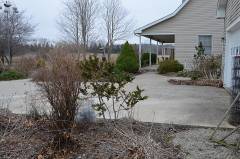
Chamaecyparis pisifera 'Filifera' is planted as a large specimen or accent conifer in Pacific Northwest gardens and parks where pendant thread foliage provides year-round textural contrast to flat-spray Cupressaceae. Suited to large garden and park settings given mature dimensions of 20–30 feet (6–9 m). Commonly used in mixed conifer collections alongside C. pisifera 'Filifera Aurea' for green/gold contrast.

How to Identify

Chamaecyparis pisifera 'Filifera' is identified by the combination of LONG PENDANT THREAD-LIKE BRANCHLETS hanging in curtains from the main branches — slender, whip-like, and unbranched for extended lengths — and a broadly pyramidal to mounded overall form. 'Filifera' = 'thread-bearing.' Mid to dark green scale-like foliage on the thread stems. Tiny pea-sized cones ~0.25 inch (6 mm) and white X-shaped stomatal markings on undersides. Distinguished from Chamaecyparis pisifera 'Filifera Aurea' by green (not golden) foliage; from C. pisifera 'Filifera Aurea Nana' by larger ultimate size.

Appearance

Size & Dimensions

Height20' - 30'
Width/Spread15' - 20'

Reaches mature size in approximately 20 years

Colors

Flower Colors

brown

Foliage Colors

green

Fall Foliage Colors

no change

Bloom Information

Bloom Period

~3 weeks
J
F
M
A
M
J
J
A
S
O
N
D
Spring
Chamaecyparis pisifera produces inconspicuous male and female cones in early spring. Male cones shed pollen in March–April; female cones are tiny, pea-sized (~0.25 inch / 6 mm), ripening brown by late summer. Ornamental interest is foliage-based, not flower- or cone-based.

Detailed Descriptions

Flower Description

inconspicuous; tiny brown cones

Foliage Description

mid to dark green, thread-like pendant branchlets

Growing Conditions

Sun Requirements

Full Sun
Partial Shade
Requires 4-8 hours of direct sunlight daily
• Full Sun: 6+ hours of direct sunlight
• Partial Shade: 3-6 hours of direct sunlight
• Full Shade: Less than 3 hours of direct sunlight

Soil Requirements

pH Range5.5 - 7.5(Neutral)
357912
Soil Types
loamclaysand
Drainage
well drained

Water & Climate

Water Needs

Medium

Frost Tolerance

hardy

Time to Maturity

15–20 years

Care & Maintenance

Care Guide

Plant in full sun to partial shade in moist, well-drained, acidic to neutral soil with a pH of 5.5–7.5. Consistent moisture during establishment — water weekly in dry periods during the first two growing seasons. Tolerates a range of soil conditions including moderately wet soils. The thread-like form is a permanent genetic character and does not require pruning to maintain. Remove dead interior branchlets as needed in late spring after new growth has expanded. Thrives in Pacific Northwest maritime climate.

Pruning

No pruning is required to maintain the thread-like form. Lower dead branchlets can be removed in late spring. The broadly pyramidal to mounded silhouette is self-sustaining. Do not shear — shearing destroys the thread character that defines this cultivar.

Pruning Schedule

J
F
M
A
M
J
J
A
S
O
N
D
late spring

Maintenance Level

low

⚠️ Toxicity Warning

Non-toxic