Cedrus, Genus, spp., Multiple species,
- Genus
- Multiple species
cedars
Mediterranean basin and western Himalayas
Overview
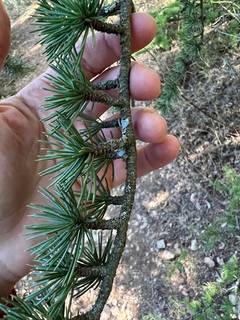
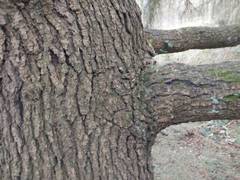
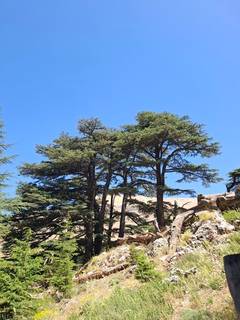
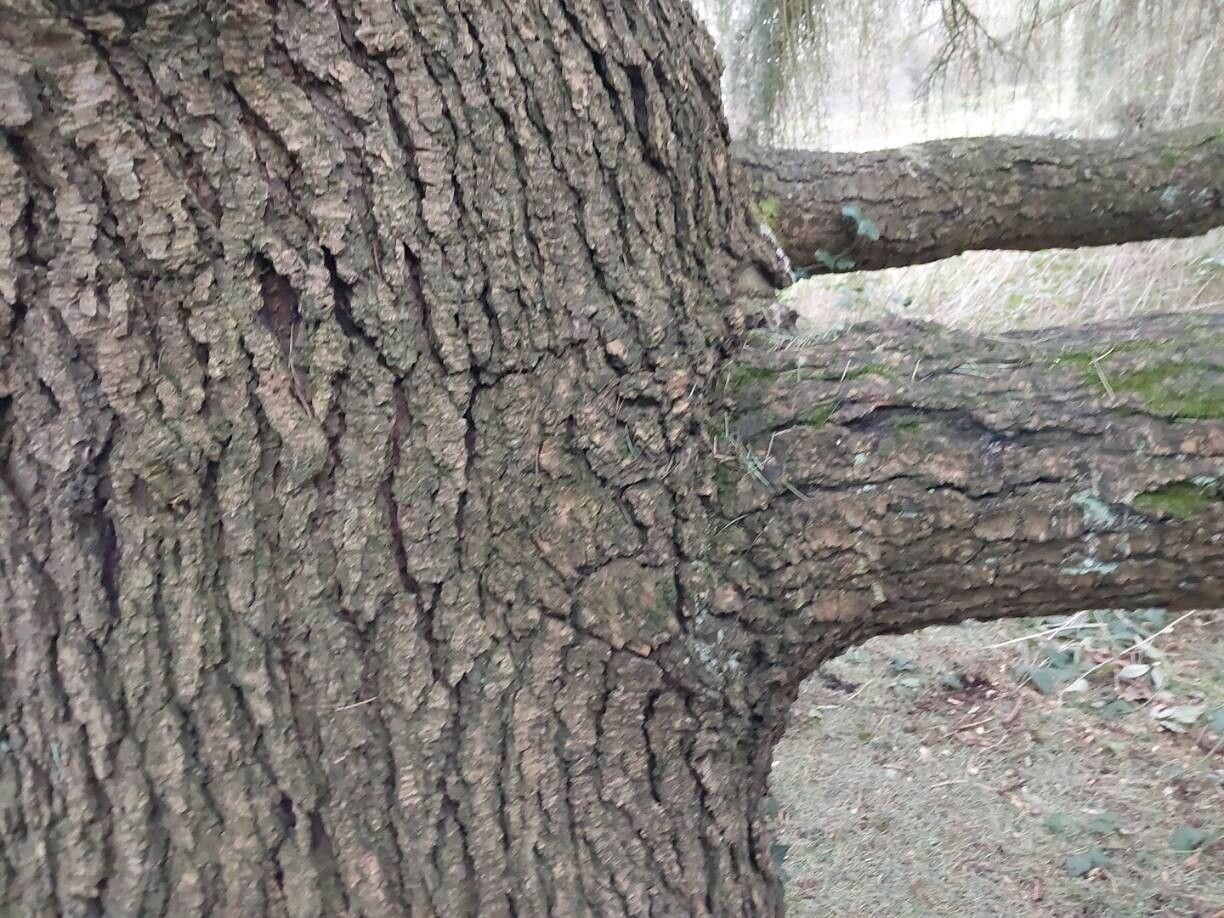
Cedrus is a small genus of two to four evergreen coniferous species in the family Pinaceae, native to the mountains of the Mediterranean and the western Himalayas. The true cedars are large trees reaching 40-160 ft (12-50 m), forming a conical crown when young that broadens into wide, tiered, flat-topped layers of horizontal branches with age. The needle-like leaves are stiff and 0.4-2.4 in (1-6 cm) long, borne singly on long shoots and in dense rosettes of 15 to 45 on short woody spurs, coloured from deep green through grey-green to the silver-blue of C. atlantica forms. Cedars are wind-pollinated in autumn; the upright barrel-shaped seed cones stand 2.5-5 in (6-12 cm) tall and break apart on the branch over two to three years to release winged seeds. Mature trees develop massive trunks and dark, fissured bark. The genus needs full sun, deep, freely draining soil, and room to spread, and tolerates heat and drought once established. Young plants are damaged by hard frost and waterlogging, and the broad mature spread leaves cedars unsuited to small gardens. The aromatic, durable wood has long been used in construction and joinery.
Native Range
The genus is native to high mountain forests of the Mediterranean basin and the western Himalayas. The Atlas cedar C. atlantica grows in the Atlas mountains of Morocco and Algeria, the cedar of Lebanon C. libani in the eastern Mediterranean, and the deodar C. deodara across the western Himalayas.Suggested Uses
True cedars are grown as large specimen and skyline trees in parks, estates, and spacious gardens where their tiered form has room to develop. Blue-foliaged Atlas cedar selections are planted as colour accents, and weeping forms are trained over arches and walls. The aromatic timber is used in construction and joinery.How to Identify
Appearance
Size & Dimensions
Height40' - 160'
Width/Spread20' - 40'
Colors
Foliage Colors
Fall Foliage Colors
Bloom Information
Cedars are wind-pollinated conifers that shed pollen in autumn rather than spring, which is uncommon in the pine family, releasing clouds of yellow pollen from small upright male cones. Female cones are pollinated the same season and ripen over two to three years before disintegrating on the branch. There is no floral display.
Detailed Descriptions
Foliage Description
green, grey-green, to silver-blueGrowing Conditions
Sun Requirements
Requires 6-12 hours of direct sunlight daily
• Full Sun: 6+ hours of direct sunlight
• Partial Shade: 3-6 hours of direct sunlight
• Full Shade: Less than 3 hours of direct sunlight