Image 1 of 3
1 / 3
Plant Reference
Cedrus, Genus, atlantica, Species, 'Glauca', Cultivar,
- Genus & species
- Cultivar
blue atlas cedar
Atlas Mountains of Algeria and Morocco (species); cultivar selected for blue foliage
Overview
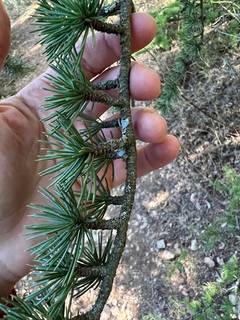
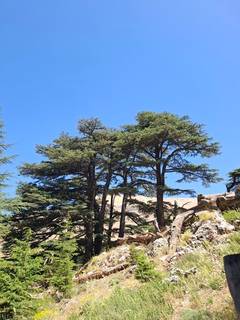
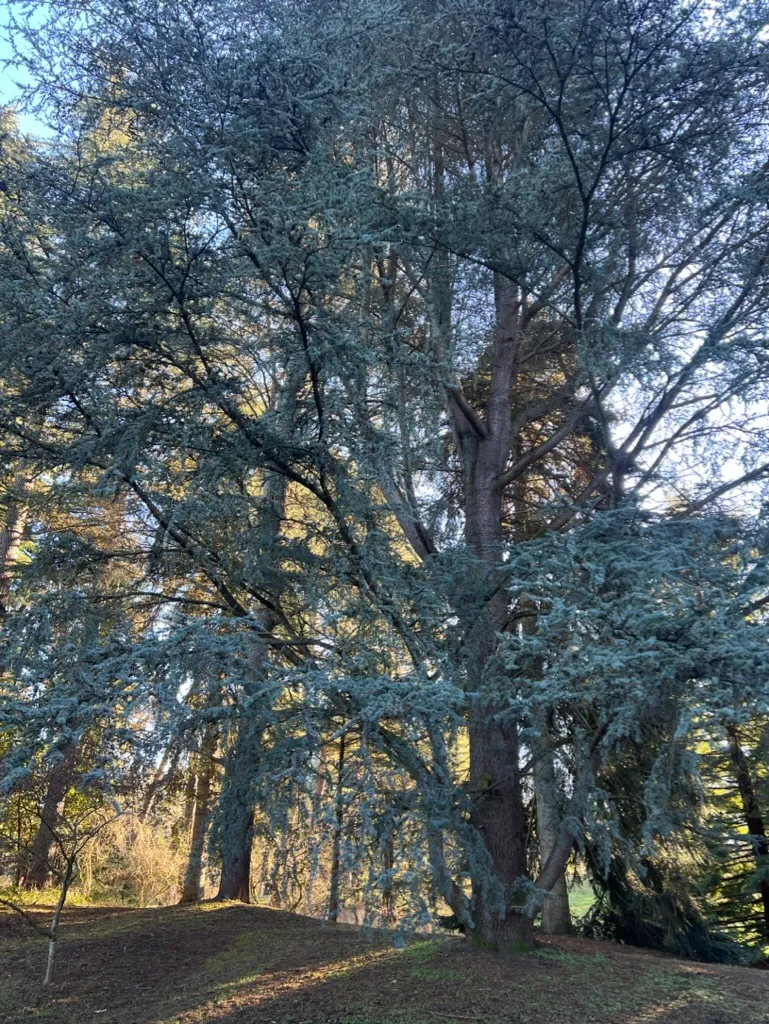
Cedrus atlantica 'Glauca' is the blue Atlas cedar, a large evergreen conifer growing 480–720 inches (1,200–1,800 cm / 40–60 feet) tall and 360–480 inches (900–1,200 cm / 30–40 feet) wide at maturity. Steel-blue to silver-blue stiff needles 0.75–1 inch (18–25 mm) in dense rosettes (clusters of 30–45) on short spur shoots — the blue color is the cultivar feature (the species type is green to blue-green). Young trees are narrowly pyramidal; mature trees develop a flat-topped spreading crown with tiered horizontal branches — the mature silhouette requires 360–480 inches (900–1,200 cm / 30–40 feet) of lateral space. Upright barrel-shaped cones 3–4 inches (7–10 cm) on upper branches, taking 2 years to mature and then disintegrating on the tree. In the pine family (Pinaceae). One of four species in the true cedar genus Cedrus (the others: C. deodara, C. libani, C. brevifolia). The species C. atlantica is native to the Atlas Mountains of Algeria and Morocco at 4,000–7,200 feet (1,200–2,200 m) — classified as Endangered by the IUCN (wild populations declining from drought and overgrazing). Drought-tolerant once established (adapted to Mediterranean dry summers). 'Glauca Pendula' is a weeping cultivar trained on a stake. Non-toxic. Deer-resistant. Full sun (6+ hours). Zones 6–9. Growth rate is moderate.
Native Range
The species C. atlantica is native to the Atlas Mountains of Algeria and Morocco at 4,000–7,200 feet (1,200–2,200 m). IUCN Endangered. 'Glauca' is a cultivar selected for intensified blue needle color.Suggested Uses
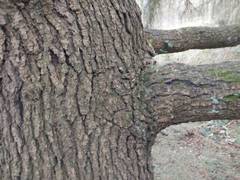
Grown as a specimen in zones 6–9. The steel-blue foliage and the mature flat-topped form are the species features. Requires 360–480 inches (900–1,200 cm) lateral space at maturity. Drought-tolerant. Non-toxic. Deer-resistant.How to Identify
Appearance
Size & Dimensions
Height40' - 60'
Width/Spread30' - 40'
Reproduction
Upright barrel-shaped cones 3–4 inches (7–10 cm) on upper branches (2-year maturation). The steel-blue needles are the year-round feature.
Detailed Descriptions
Foliage Description
Steel-blue to silver-blue, stiff, in dense clusters (rosettes) of 30-45 on short spurs, individual needles 0.75-1 inch (18-25 mm)Growing Conditions
Sun Requirements
Requires 6-10 hours of direct sunlight daily
• Full Sun: 6+ hours of direct sunlight
• Partial Shade: 3-6 hours of direct sunlight
• Full Shade: Less than 3 hours of direct sunlight
Care & Maintenance
Care Guide
Full sun (6+ hours). Well-drained soil. Drought-tolerant once established. The mature flat-topped spreading crown requires 360–480 inches (900–1,200 cm) lateral space. IUCN Endangered in the wild. Non-toxic. Deer-resistant. Zones 6–9.Pruning
No pruning needed — the pyramidal-to-spreading form develops naturally. Do not remove the leader on young trees. Remove dead or damaged branches. The mature flat-topped crown develops over 20+ years.Pruning Schedule
Prune: April
late spring