Image 1 of 17
1 / 17
Plant Reference
Cedrus, Genus, deodara, Species,
- Genus & species
deodar cedar
Western Himalayas — eastern Afghanistan and Pakistan through northern India to western Nepal; 4,900-11,800 feet (1,500-3,600 m) elevation
Overview
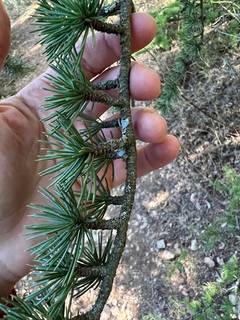
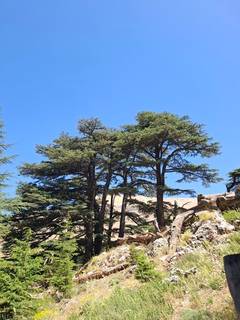
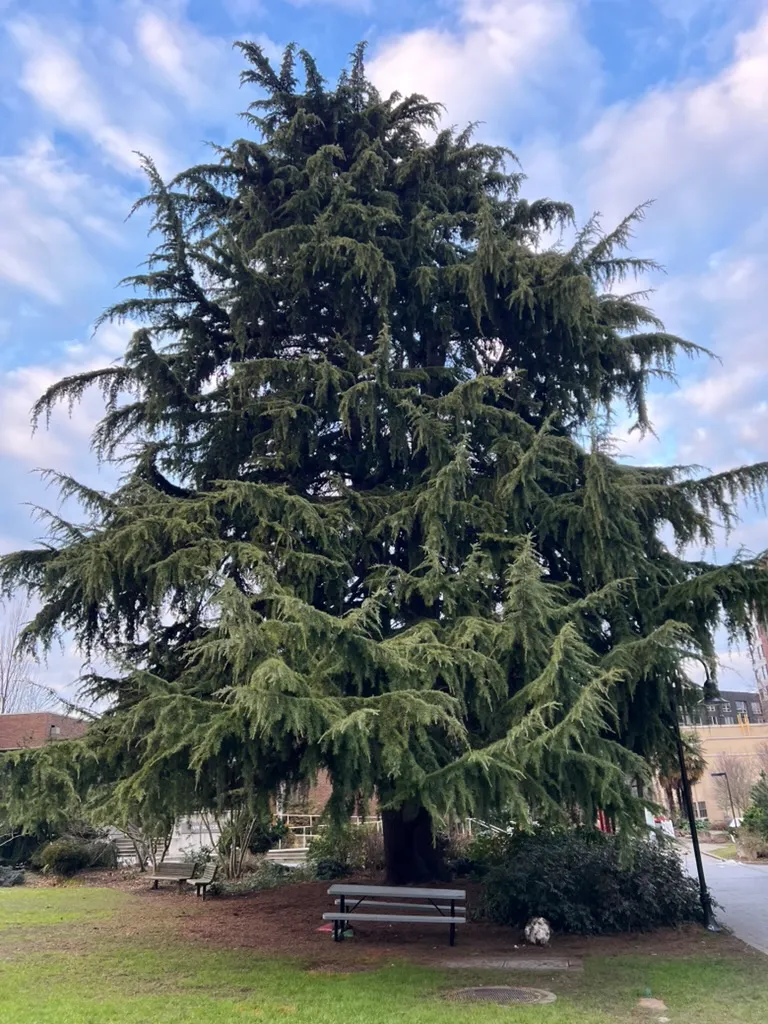
Cedrus deodara is deodar cedar (Himalayan cedar), an upright coniferous tree growing 40-70 feet (12-21 m) tall and 20-40 feet (6-12 m) wide. Blue-green to gray-green soft needles 1-2 inches (2.5-5 cm) in dense spur-shoot clusters of 20-30. Upright barrel-shaped cones 3-5 inches (7-13 cm) that disintegrate on the tree. In Pinaceae. Deodara = devdar (Sanskrit: timber of the gods). A true cedar — one of four Cedrus species. The nodding leader tip and pendulous branch tips are the signature features — erect leaders in C. atlantica and C. libani. The softest and most feathery texture of any true cedar. Native to the western Himalayas. The massive size (40-70 feet / 12-21 m × 20-40 feet / 6-12 m) requires a very large site. Hardy to about 5°F (-15°C) — zone 7 (less cold-hardy than C. atlantica). Drought-tolerant. Non-toxic. Deer-resistant. Zones 7-9. Full sun. Growth rate is moderate to fast.
Native Range
Native to the western Himalayas — eastern Afghanistan and Pakistan through northern India to western Nepal at 4,900-11,800 feet (1,500-3,600 m).Suggested Uses
Grown as a large coniferous specimen on very large sites, spaced 20-40 feet (6-12 m). Graceful nodding leader. Softest cedar. Drought-tolerant. Non-toxic. Zones 7-9.How to Identify
Appearance
Size & Dimensions
Height40' - 70'
Width/Spread20' - 40'
Bloom Information
Not applicable — conifer. Wind-pollinated. Pollen shed September-October. Upright barrel-shaped cones 3-5 inches (7-13 cm) disintegrate on the tree in year 2-3.
Detailed Descriptions
Foliage Description
Blue-green to gray-green, soft, 1-2 inches (2.5-5 cm), in dense spur-shoot clusters of 20-30; the longest and softest needles of any true cedar — finer and more feathery texture than C. atlantica or C. libani; the leader tip nods gracefully (the signature C. deodara identification feature); pendulous branch tipsGrowing Conditions
Sun Requirements
Requires 6-12 hours of direct sunlight daily
• Full Sun: 6+ hours of direct sunlight
• Partial Shade: 3-6 hours of direct sunlight
• Full Shade: Less than 3 hours of direct sunlight
Care & Maintenance
Care Guide
Full sun (6-12 hours). Well-drained soil pH 5.5-7.5. Drought-tolerant once established. Hardy to 5°F (-15°C) — zone 7. Massive size (40-70 feet / 12-21 m) — requires very large site. Minimal pruning. Non-toxic. Deer-resistant. Zones 7-9.Pruning
Minimal pruning needed. Remove dead or damaged branches in early spring (February-March). Do not remove the nodding leader tip — it is the signature form feature. Do not top.Pruning Schedule
Prune: February–March
early spring