Image 1 of 11
1 / 11
Plant Reference
Cedrus, Genus, libani, Species,
- Genus & species
cedar of Lebanon
Mountain forests of Lebanon, Syria, and Turkey at 4,000-6,500 feet (1,200-2,000 m)
Overview
Cedrus libani is a large evergreen conifer growing 60-80 feet (18-24 m) tall and 40-60 feet (12-18 m) wide at maturity. Dark green to blue-green stiff needles, 0.75-1.25 inches (18-32 mm), are borne in dense rosettes of 15-35 on spur shoots. Young trees are pyramidal; mature trees develop a flat-topped spreading crown with massive tiered horizontal branches — this mature silhouette develops over 30-50 years and requires 40-60 feet (12-18 m) of lateral space. Upright barrel-shaped cones, 3-5 inches (7-13 cm), are borne on upper branches and take 2 years to mature. The species name libani refers to Mount Lebanon. Cedrus libani is referenced in the Epic of Gilgamesh (c. 2100 BCE), the Hebrew Bible, and the Quran; the aromatic rot-resistant wood was traded by the Phoenicians throughout the ancient Mediterranean. The tree is depicted on the Lebanese national flag. Wild populations in Lebanon are reduced to approximately 17 km² (6.6 mi²) due to millennia of harvesting and clearing; IUCN conservation status is Vulnerable. Hardy to -20°F (-29°C), corresponding to zone 5 — hardier than C. atlantica (zone 6) or C. deodara (zone 7). Separated from C. atlantica by more stiffly horizontal branching and from C. deodara by an erect (not nodding) leader. Drought-tolerant once established. Non-toxic. Deer-resistant.
Native Range
Native to mountain forests of Lebanon, Syria, and Turkey at 4,000-6,500 feet (1,200-2,000 m). Wild Lebanese populations are reduced to approximately 17 km² (6.6 mi²). IUCN Vulnerable.Suggested Uses
Grown as a specimen in parks, arboreta, and large properties where the mature crown of 40-60 feet (12-18 m) width has adequate space, spaced 40-60 feet (12-18 m) apart. The flat-topped tiered crown at maturity differentiates C. libani from the narrower mature crowns of C. atlantica. Drought-tolerant. IUCN Vulnerable in the wild. Non-toxic. Hardy in zones 5-9.How to Identify
Appearance
Size & Dimensions
Height60' - 80'
Width/Spread40' - 60'
Reproduction
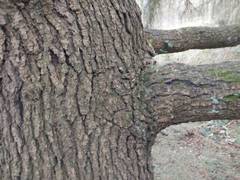
Wind-pollinated. Upright barrel-shaped cones, 3-5 inches (7-13 cm), take 2 years to mature and are borne on the upper branches. The mature flat-topped tiered crown, developing over 30-50 years, is the primary structural feature.
Detailed Descriptions
Foliage Description
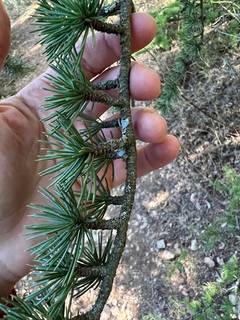
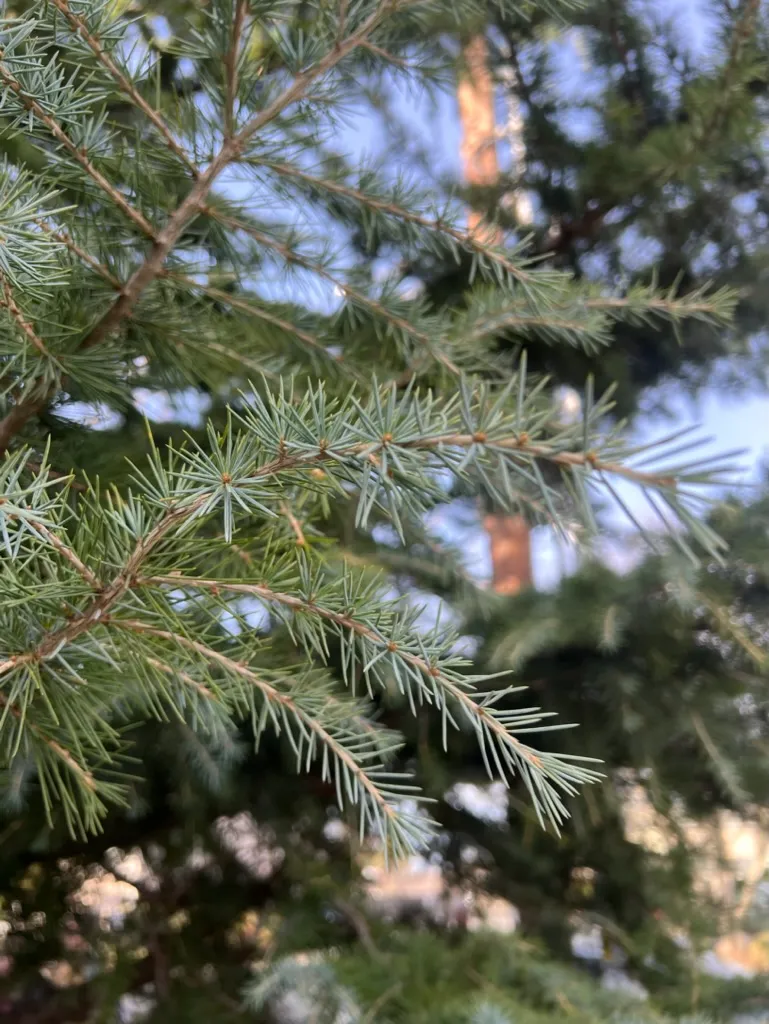
dark green to blue-green, stiff, 0.75-1.25 inches (18-32 mm), in dense rosettes of 15-35 on spur shootsGrowing Conditions
Sun Requirements
Requires 6-10 hours of direct sunlight daily
• Full Sun: 6+ hours of direct sunlight
• Partial Shade: 3-6 hours of direct sunlight
• Full Shade: Less than 3 hours of direct sunlight
Care & Maintenance
Care Guide
Site in full sun (6-10 hours) in well-drained soil with a pH of 5.5-7.5. Drought-tolerant once established. The mature crown requires 40-60 feet (12-18 m) of lateral space — this is the primary spatial limitation. Hardy to -20°F (-29°C), zone 5 — hardier than C. atlantica (zone 6) or C. deodara (zone 7). IUCN Vulnerable in the wild. Non-toxic. Deer-resistant. Hardy in zones 5-9.Pruning
No pruning is needed — the pyramidal-to-flat-topped form develops naturally over decades. The central leader should not be removed on young trees. Remove dead branches in late spring (April) if needed. The massive tiered crown develops over 30-50 years.Pruning Schedule
Prune: April
late spring