Image 1 of 5
1 / 5
Plant Reference
Cedrus, Genus, atlantica, Species, 'Glauca Pendula', Cultivar,
- Genus & species
- Cultivar
weeping blue atlas cedar
Cultivar of garden origin; species native to the Atlas Mountains of Algeria and Morocco
Overview
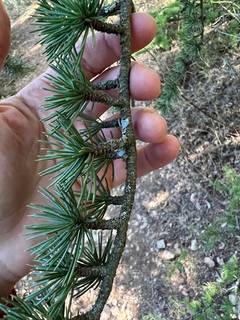
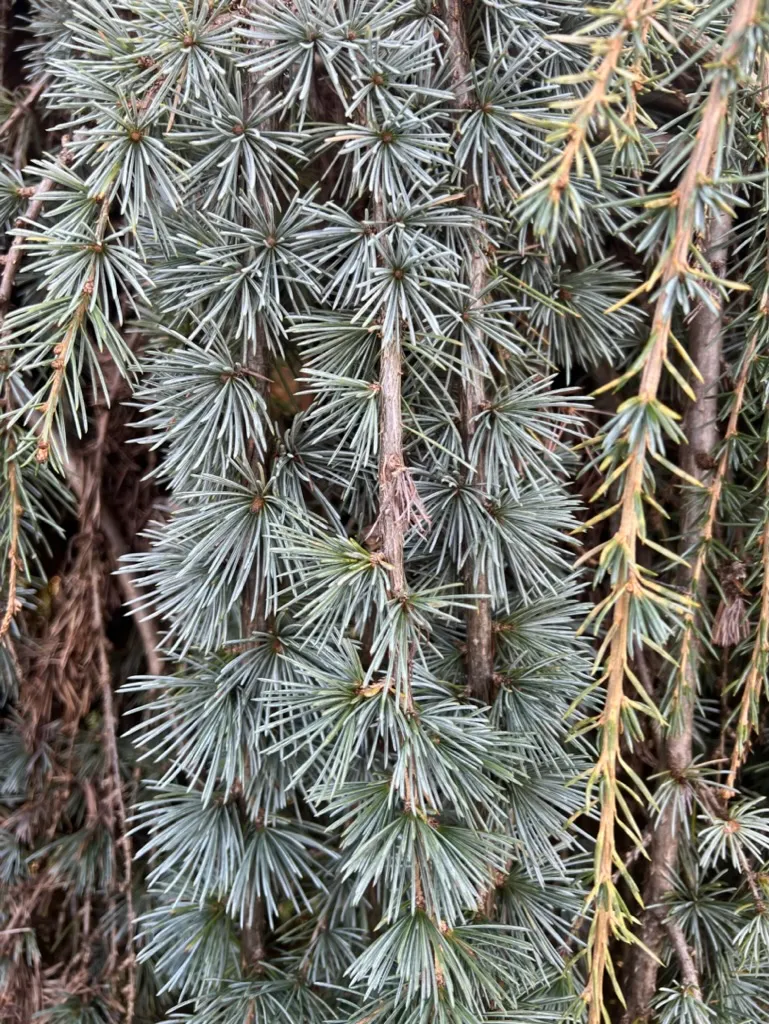
Cedrus atlantica 'Glauca Pendula' is a weeping coniferous evergreen growing 8-15 feet (2.4-4.5 m) tall when staked, or 2-3 feet (60-90 cm) unstaked, with a spread of 10-20 feet (3-6 m). Intensely silver-blue to powder-blue needles, 0.75-1.5 inches (2-4 cm), are borne in dense spur-shoot clusters of 20-45 — the blue coloration is more intense than in other commonly grown Cedrus cultivars. The species name atlantica refers to the Atlas Mountains; Glauca means blue-gray; Pendula means weeping. The mature form is entirely determined by training and staking during the first 3-5 years: without staking the plant creeps along the ground; staked, the leader is trained upward and branches cascade downward. Each specimen differs in form based on its training history. The initial staking and training period is the primary maintenance commitment. The wide spread of 10-20 feet (3-6 m) requires lateral space. Cone production is infrequent on weeping forms. Drought-tolerant once established. Non-toxic. Deer-resistant.
Native Range
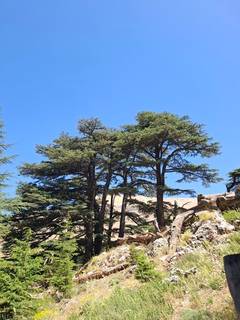
Cultivar of garden origin. The species Cedrus atlantica is native to the Atlas Mountains of Algeria and Morocco.Suggested Uses
Grown as a sculptural specimen on sites with 10-20 feet (3-6 m) of lateral space. The form varies with training — staked specimens cascade from a central leader while unstaked plants creep. Requires initial staking commitment. Drought-tolerant. Non-toxic. Hardy in zones 6-9.How to Identify
Appearance
Size & Dimensions
Height2' - 15'
Width/Spread10' - 20'
Bloom Information
Not applicable — conifer. Wind-pollinated. Cone production is infrequent on weeping forms. The cascading silver-blue foliage is the year-round structural feature.
Detailed Descriptions
Foliage Description
intensely silver-blue to powder-blue needles 0.75-1.5 inches (2-4 cm) in dense spur-shoot clusters of 20-45; more intensely blue than other commonly grown Cedrus cultivarsGrowing Conditions
Sun Requirements
Requires 6-12 hours of direct sunlight daily
• Full Sun: 6+ hours of direct sunlight
• Partial Shade: 3-6 hours of direct sunlight
• Full Shade: Less than 3 hours of direct sunlight
Care & Maintenance
Care Guide
Site in full sun (6-12 hours) in well-drained soil with a pH of 5.5-7.5. Drought-tolerant once established. Requires staking and training during the first 3-5 years to establish the desired form — this is the primary maintenance commitment. The wide spread of 10-20 feet (3-6 m) requires lateral space planning. Non-toxic. Deer-resistant. Hardy in zones 6-9.Pruning
Train and stake the leader to the desired height during the first 3-5 years, redirecting branches as needed to shape the cascading form. Once established, remove dead or damaged branches in early spring (February-March). No routine shaping is needed after the training period.Pruning Schedule
Prune: February–March
early spring