Image 1 of 2
1 / 2
Plant Reference
Cedrus, Genus, atlantica, Species, 'Glauca Fastigiata', Cultivar,
- Genus & species
- Cultivar
narrow blue atlas cedar
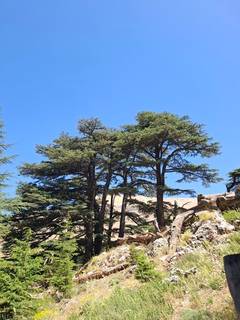
Cultivar of horticultural origin; species native to the Atlas Mountains of Algeria and Morocco at 4,300-7,200 feet (1,300-2,200 m); listed as Endangered (IUCN) in the wild
Overview
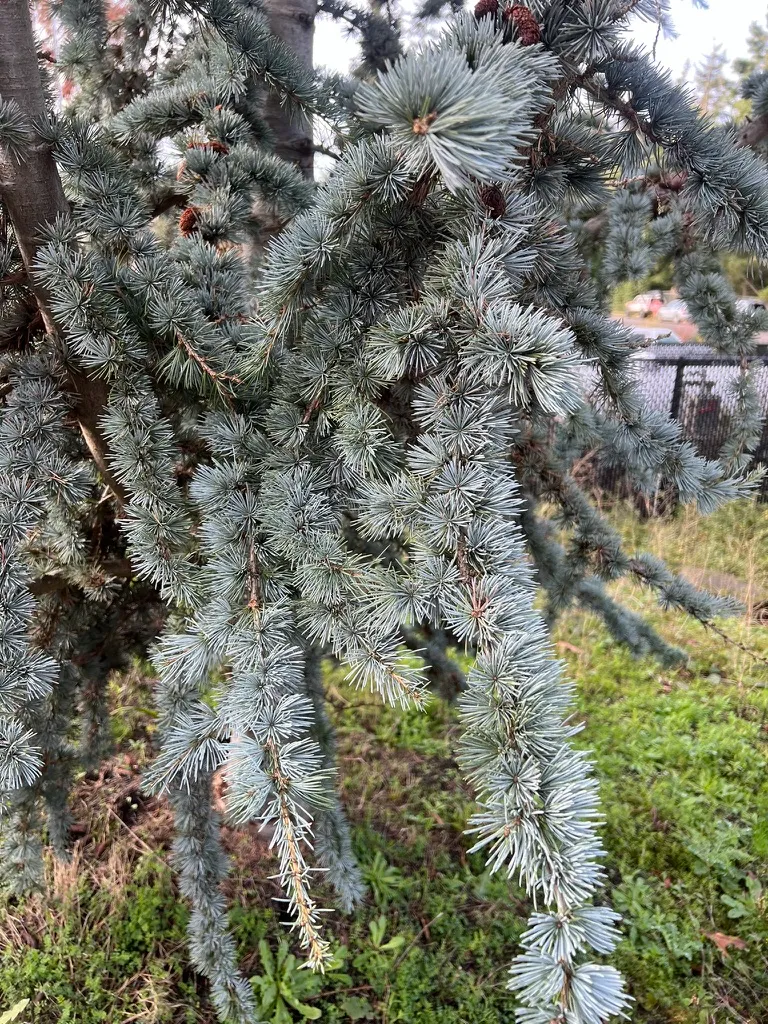
Cedrus atlantica 'Glauca Fastigiata' is an upright narrow columnar coniferous evergreen tree growing 30-50 feet (9-15 m) tall and 8-12 feet (2.4-3.7 m) wide. Intensely silvery-blue needles, 0.4-1 inch (10-25 mm), are carried in dense spur-shoot clusters of 20-45. The cultivar combines the silver-blue foliage color of 'Glauca' with a narrow columnar form, reaching a much tighter mature width than 'Glauca', which spreads 30-40 feet (9-12 m). Upright barrel-shaped cones, 2-3 inches (5-7 cm), mature on the upper branches over two years and disintegrate on the tree rather than falling intact. Male pollen cones shed pollen in October-November — a fall pollination season that runs counter to the spring pollination typical of most conifer genera. Species native range is the Atlas Mountains of Algeria and Morocco, where wild populations are listed as Endangered on the IUCN Red List due to grazing pressure, illegal logging, and climate-driven drought. Drought-tolerant once established. Limited cold hardiness (USDA zone 6) is the primary climatic restriction for northern plantings. Non-toxic. Deer-resistant.
Native Range
Cultivar of horticultural origin. Species C. atlantica is native to the Atlas Mountains of Algeria and Morocco at 4,300-7,200 feet (1,300-2,200 m). Wild populations are listed as Endangered (IUCN).Suggested Uses
Grown as a narrow silver-blue columnar specimen in residential gardens where the narrow mature spread of 8-12 feet (2.4-3.7 m) suits sites too tight for 'Glauca'. Drought tolerance and the intense silver-blue foliage carry well as an accent against darker conifers. Mature size exceeds typical container dimensions. Non-toxic. Hardy in zones 6-9.How to Identify
Appearance
Size & Dimensions
Height30' - 50'
Width/Spread8' - 12'
Reproduction
Monoecious. Upright male pollen cones, 2-3 inches (5-7 cm), shed pollen in October-November — a fall pollination season that runs counter to the spring pollination typical of most conifer genera. Female cones erect on upper branches. Upright barrel cones, 2-3 inches (5-7 cm), mature over two years and disintegrate on the tree.
Detailed Descriptions
Foliage Description
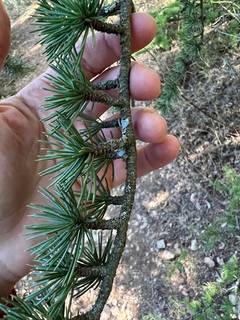
intensely silvery-blue; needles 0.4-1 inch (10-25 mm), borne in dense clusters of 20-45 on short spur shoots; the spur-shoot needle clusters are diagnostic for Cedrus (true cedars); branches are upright rather than horizontal as in the species typeGrowing Conditions
Sun Requirements
Requires 6-12 hours of direct sunlight daily
• Full Sun: 6+ hours of direct sunlight
• Partial Shade: 3-6 hours of direct sunlight
• Full Shade: Less than 3 hours of direct sunlight
Care & Maintenance
Care Guide
Site in full sun (6-12 hours direct sun) in well-drained soil with a pH of 5.5-7.5. Drought-tolerant once established. Cold hardiness is limited to USDA zone 6 — sites north of zone 6 are not suitable. No regular pruning is needed. Non-toxic. Deer-resistant. Hardy in zones 6-9.Pruning
Prune in late spring (April) if shaping is needed. The natural narrow columnar form develops without intervention. Remove dead or damaged branches as they appear.Pruning Schedule
Prune: April
late spring