Carex, Genus, vulpinoidea, Species,
- Genus & species
fox sedge
{Carex vulpinoidea} is native to North America — from Nova Scotia south to Florida and west to British Columbia, in wet meadows, ditches, and streambanks; the species name 'vulpinoidea' means 'fox-like', describing the dense foxtail-like compound spikelets
Overview
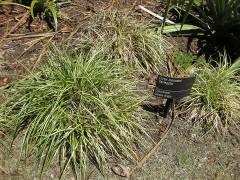
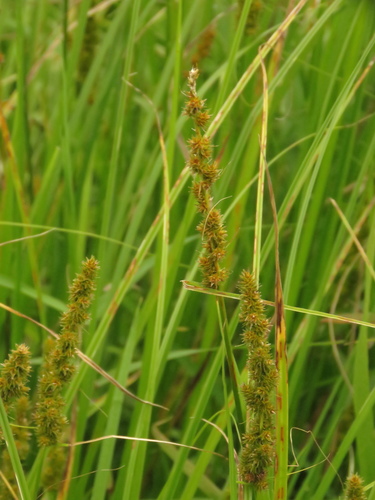
Carex vulpinoidea is fox sedge — among the more widespread and adaptable native wet sedges, growing 18-30 inches (45-75 cm) tall and 12-18 inches (30-45 cm) wide. The species name 'vulpinoidea' means 'fox-like', describing the dense foxtail-like compound spikelets. Bright green narrow arching foliage. Dense golden-brown compound spikelets in late spring and early summer resemble tiny foxtails. Wet to waterlogged soil — among the first native sedges to colonize disturbed wet ground. Self-sows freely in wet conditions to form dense colonies — an asset for wetland restoration, a consideration in garden beds. The most widespread wet sedge in North America — found coast to coast. Hardy to zone 3. The reliable workhorse sedge for wet-site restoration and rain gardens.
Native Range
Carex vulpinoidea is native to North America — from Nova Scotia south to Florida and west to British Columbia.Suggested Uses
Used in wetland restoration, rain gardens, bioswales, and stormwater management. The most widespread and reliable native wet sedge. The workhorse species for wet-site planting. Self-sowing colonizer.How to Identify
Appearance
Size & Dimensions
Height1'6" - 2'6"
Width/Spread1' - 1'6"
Colors
Bloom Information
Detailed Descriptions
Flower Description
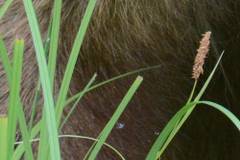
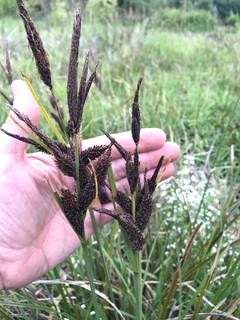
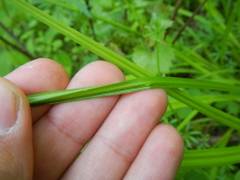
Green aging to golden-brown in dense foxtail-like compound spikeletsFoliage Description
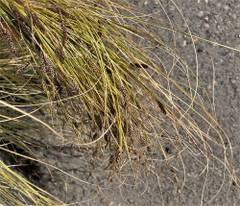
Bright green narrow archingGrowing Conditions
Sun Requirements
Requires 4-10 hours of direct sunlight daily
• Full Sun: 6+ hours of direct sunlight
• Partial Shade: 3-6 hours of direct sunlight
• Full Shade: Less than 3 hours of direct sunlight
Care & Maintenance
Care Guide
Plant in full sun to partial shade. Wet to waterlogged soil. Self-sows freely in wet conditions. Hardy to zone 3.Pruning
Cut to ground in early spring.Pruning Schedule
Prune: March
early spring