Carex, Genus, intumescens, Species,
- Genus & species
bladder sedge
Overview
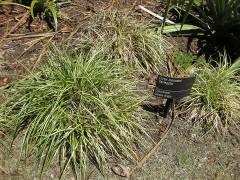
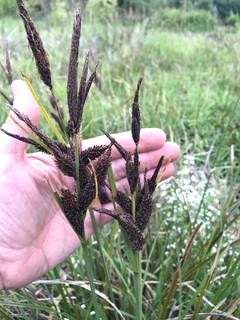
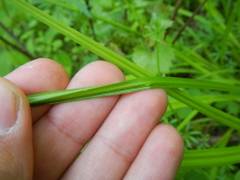
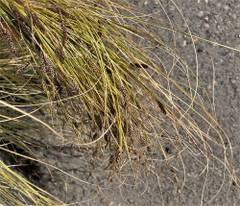
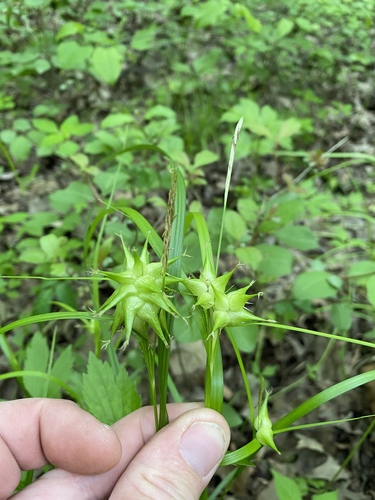
Carex intumescens is a clump-forming perennial sedge in the Cyperaceae, growing 1-2.5 feet (30-75 cm) tall on slender, three-angled stems. The flat, pale to medium green leaves are 0.1-0.3 inch (3-8 mm) wide and roughly as long as the flowering stems. The plant is named for its inflated fruit: each flowering stem carries one to a few rounded clusters of swollen, lance-tipped sacs (perigynia) about 0.5 inch (12 mm) long that spread outward to form spiky, star-like heads. A narrow male spike sits above these female clusters. It grows in moist to wet deciduous woods, swamp edges, seeps, and shaded stream banks across eastern North America, forming scattered tufts rather than dense colonies. It spreads mainly by seed and stays as a tidy clump, making it easier to place in gardens than running sedges. The inflated seed heads persist into late summer. Plants need shade and consistently moist soil and decline in dry, sunny sites.
Native Range
Native to eastern North America, from Newfoundland and Ontario south to Florida and Texas. It grows in moist to wet deciduous woods, wooded swamps, seeps, and along shaded streams.Suggested Uses
Carex intumescens is used in shade and woodland gardens, rain gardens, and the moist margins of ponds and streams. Its clumping habit and spiky seed heads suit naturalistic plantings and combine with ferns and other shade perennials. It also supports streamside and wetland restoration.How to Identify
Appearance
Size & Dimensions
Height1' - 2'6"
Width/Spread1' - 1'6"
Bloom Information
Detailed Descriptions
Foliage Description
greenGrowing Conditions
Sun Requirements
Requires 2-6 hours of direct sunlight daily
• Full Sun: 6+ hours of direct sunlight
• Partial Shade: 3-6 hours of direct sunlight
• Full Shade: Less than 3 hours of direct sunlight
Care & Maintenance
Care Guide
Carex intumescens grows in part to full shade on consistently moist, humus-rich soil, including the moist banks of woodland ponds and streams. It tolerates wet ground and short periods of standing water but also grows in ordinary garden soil that stays damp. Growth is strongest in cool, shaded conditions, and clumps decline where soil dries out or sun is strong. It forms tidy tufts and spreads slowly by seed rather than running. The plant stays green into autumn, then dies back in winter. Division in spring propagates established clumps.Pruning
Cut old foliage to the ground in late winter before new growth begins. Removing seed heads before they ripen limits self-sowing, though this sedge spreads modestly.Container Growing
Suitable for container growing
Minimum container size: 2 gallons