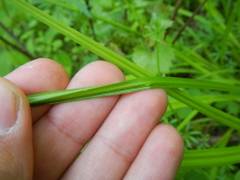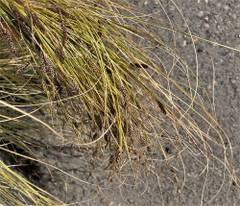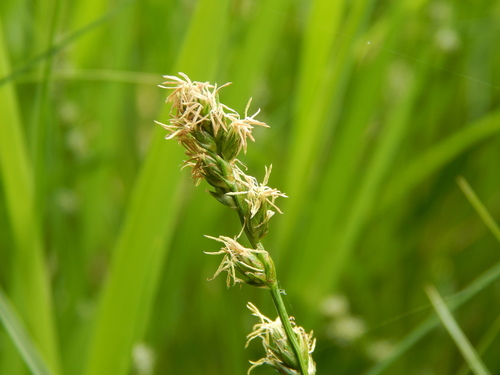
Carex, Genus, divulsa, Species,
- Genus & species
Berkeley sedge
Native to Europe and western Asia in grasslands, woodland edges, and open meadows from the British Isles south to the Mediterranean basin and east into the Caucasus region; widely naturalized in California and other temperate areas of North America where extensively planted in landscape applications
Overview
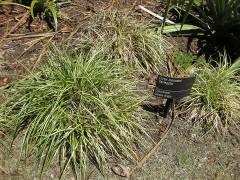
Carex divulsa is Berkeley sedge — a European-native sedge in the family Cyperaceae widely used as a lawn alternative in California and western United States gardens, growing 12–24 inches (30–60 cm) tall and 18–24 inches (45–60 cm) wide in a clumping evergreen habit. The 'Berkeley' common name reflects the species' long history of use in San Francisco Bay Area landscape design, where the species runs as a typical lawn-alternative selection in lawn-conversion projects. Dark green narrow gracefully arching evergreen foliage forms the basal mound through the entire year. The species's principal asset runs as broad cultural adaptability — full sun to full shade, average to dry soil, clay-tolerant, drought-tolerant, heat-tolerant, and evergreen across the cultivation range. The species self-sows gently into adjacent open soil and fills gaps between plants, creating a seamless carpet without the aggressive rhizomatous spread that more invasive sedge species exhibit. Plants tolerate periodic mowing 2–3 times per year for a turf-like appearance, or run unmowed for a naturalistic meadow look depending on garden style. Hardy to USDA zone 5. The species runs naturalized rather than truly native in California — gardeners seeking native-only plantings should select native Carex species (C. pansa, C. praegracilis, C. tumulicola) for similar lawn-alternative function with native-plant credentials. Deer avoid the foliage. Not known to be toxic to pets or humans.
Native Range
Carex divulsa is native to Europe and western Asia, in grasslands, woodland edges, and open meadows from the British Isles south to the Mediterranean basin and east into the Caucasus region. The species runs widely naturalized in California and other temperate areas of North America where it has been extensively planted in landscape applications.Suggested Uses
Used as a lawn alternative (especially in California and western United States gardens converting from turfgrass to lower-water-input plantings), ground cover under deciduous tree canopy, mass planting in mixed-light garden positions, and in any-light situations where standard turfgrass would fail due to insufficient sun. Mass plant at 12-inch (30 cm) spacing for a seamless carpet effect — the gentle self-sowing fills gaps between plants over 2–3 establishment seasons. The naturalized non-native status separates the species from the true California native Carex species — gardeners pursuing native-only plantings should select C. pansa, C. praegracilis, or C. tumulicola for similar function with native-plant credentials.How to Identify
Appearance
Size & Dimensions
Height1' - 2'
Width/Spread1'6" - 2'
Bloom Information
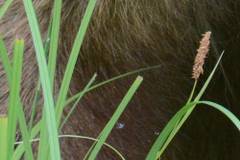
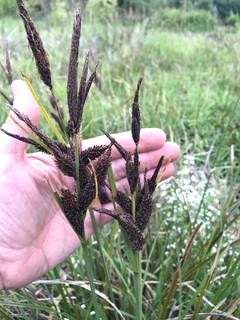
Flowering in May and June across approximately 4 weeks. Small green-to-tan spikelets emerge above the foliage on slender stems and run as a minor inconspicuous feature secondary to the year-round evergreen foliage display. Plants run wind-pollinated; the inflorescence does not contribute meaningful pollinator value compared to flowering forb species in the same garden context.
Detailed Descriptions
Flower Description
Green to tan; small spikelets on slender stems above foliageFoliage Description
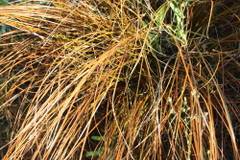
Dark green; narrow gracefully arching evergreen leaf blades forming basal moundGrowing Conditions
Sun Requirements
Requires 1-12 hours of direct sunlight daily
• Full Sun: 6+ hours of direct sunlight
• Partial Shade: 3-6 hours of direct sunlight
• Full Shade: Less than 3 hours of direct sunlight
Care & Maintenance
Care Guide
Plant in any light from full sun to full shade — the broad light tolerance runs as the species's defining trait that suits the plant to mixed-light residential garden contexts. Average to dry soil at pH 5.5–7.5 suits the species; the species runs clay-tolerant, drought-tolerant, and heat-tolerant once established. The species tolerates periodic mowing 2–3 times per year for a turf-like appearance — set the mower height to 3–4 inches (8–10 cm) to avoid scalping the basal foliage. Self-sows gently into adjacent open soil, creating a continuous carpet across mass plantings; the self-sowing runs slow and non-aggressive compared to invasive sedge species. No fertilization needed for established plantings. Hardy to USDA zone 5.Pruning
Mow 2–3 times per year at 3–4 inches (8–10 cm) for a lawn-like appearance, or leave unmowed for a naturalistic meadow look. Comb out dead foliage with fingers or a rake in early spring before new growth emerges. The evergreen basal tuft persists through winter and resumes growth in spring from the existing foliage.Pruning Schedule
Prune: March
spring
Container Growing
Suitable for container growing
Minimum container size: 3 gallons