Carex, Genus, comosa, Species,
- Genus & species
longhair sedge
North America — from Nova Scotia south to Florida and west to California, in swamps, marshes, and pond margins
Overview
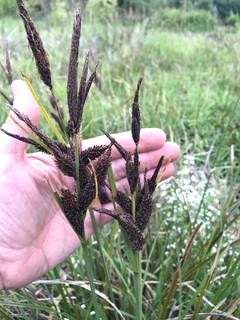
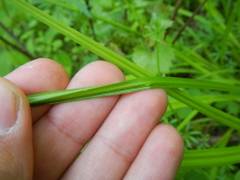
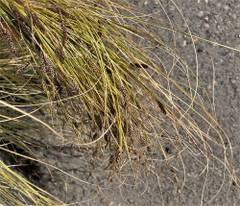
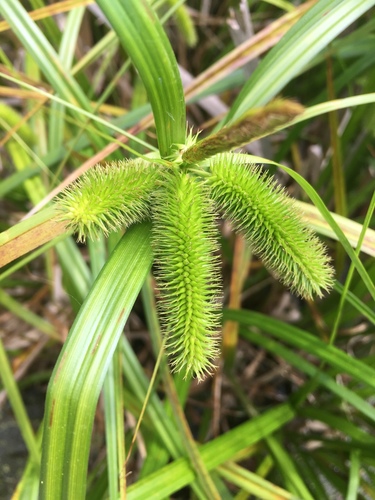
Carex comosa is longhair sedge — a native wet-soil sedge with the most dramatically bristly and shaggy seed heads, growing 24–36 inches (60–90 cm) tall and 18–24 inches (45–60 cm) wide. The species name 'comosa' means 'furnished with a tuft of hair', describing the long prominent awns that extend from each perigynia, creating a shaggy, longhair appearance. Long drooping bristly spikelets in early summer — the awns are long enough to create a distinctly hairy, wild, unkempt quality that no other common sedge matches. Medium green wide arching foliage. Wet to waterlogged soil — swamps, marshes, pond margins. Tolerates standing water. The bristly texture is similar to C. frankii (mini-cattail) and C. squarrosa (sea-urchin) but with longer, more hair-like awns. Hardy to zone 3. The most widespread native wet sedge — found across most of North America.
Native Range
Carex comosa is native to North America — from Nova Scotia south to Florida and west to California.Suggested Uses
Used in rain gardens, wet meadows, pond margins, and bioswales. The shaggiest native wet sedge. The longhair wild aesthetic suits naturalized wet plantings. Bioswale and stormwater management.How to Identify
Appearance
Size & Dimensions
Height2' - 3'
Width/Spread1'6" - 2'
Colors
Bloom Information
Bristly spikelets in June and July. The shaggy longhair seed heads persist through fall.
Detailed Descriptions
Flower Description
Green aging to golden-brown, in long drooping bristly spikelets with prominent long awns — the 'longhair' appearanceFoliage Description
Medium green, wide, archingGrowing Conditions
Sun Requirements
Requires 4-10 hours of direct sunlight daily
• Full Sun: 6+ hours of direct sunlight
• Partial Shade: 3-6 hours of direct sunlight
• Full Shade: Less than 3 hours of direct sunlight
Care & Maintenance
Care Guide
Plant in full sun to partial shade. Wet to waterlogged soil. Tolerates standing water. Hardy to zone 3.Pruning
Cut to ground in early spring.Pruning Schedule
Prune: March
early spring