Carex, Genus, elata, Species, 'Aurea', Cultivar,
- Genus & species
- Cultivar
Bowles' golden sedge
Species native to Europe and western Asia; cultivar selected in England
Overview
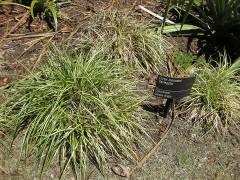
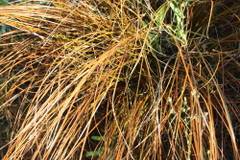
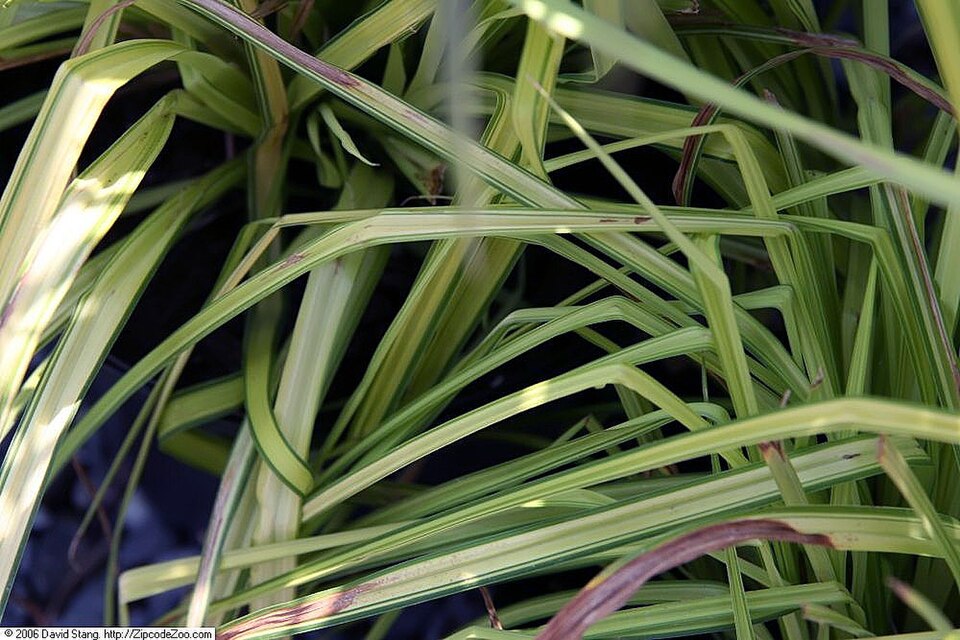
Carex elata 'Aurea' is a densely tufted, deciduous to semi-evergreen sedge reaching 18–24 inches (45–60 cm) tall with a spread of 18–24 inches (45–60 cm). The cultivar is grown for its bright golden-yellow to chartreuse foliage, which carries saturated color from spring through early summer. Leaves are 0.15–0.25 inch (4–6 mm) wide, arching, bright golden-yellow with narrow green margins — an inverse variegation pattern where most variegated grasses have the reverse (colored margins, green center). By midsummer the foliage fades to yellow-green, then to green by late summer. Plants form a dense arching tussock. Dark brown to blackish flower spikes 1–2 inches (2.5–5 cm) long appear on slender stems in April–May and contrast directly with the golden foliage. The species is native to wet habitats, and the cultivar requires moist to wet soils; in dry sites the leaf tips brown and the golden color fades early. Growth rate is moderate. Clumps expand slowly and do not spread aggressively by rhizomes. In full sun the color is brightest, though in hot climates afternoon shade prevents leaf scorch. The cultivar is named after E.A. Bowles, the English plantsman.
Native Range
The species Carex elata is native across Europe and into western Asia, from Britain east to the Caucasus. It occurs in wet meadows, lake margins, pond edges, fens, and marshes, typically with roots in standing or slowly moving water. 'Aurea' was selected in England.Suggested Uses
Used at pond and stream margins, in rain gardens, and in moist borders at 18–24 inch (45–60 cm) spacing. The golden foliage brightens shaded waterside plantings and functions in bog gardens and wet meadow plantings. Grows in containers of at least 3 gallons (11 L) placed in shallow water features. Pairs with dark-foliaged plants such as Ligularia and Lobelia cardinalis for contrast; reflection of the golden foliage in still water adds to the waterside effect.How to Identify
Appearance
Size & Dimensions
Height1'6" - 2'
Width/Spread1'6" - 2'
Bloom Information
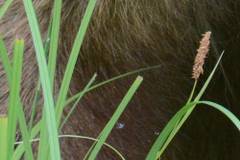
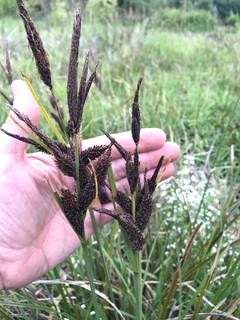
Dark brown to blackish flower spikes 1–2 inches (2.5–5 cm) long open on slender stems in April–May. The dark spikes contrast with the surrounding golden foliage. Bloom duration is 2–3 weeks. The flowers are not the primary ornamental feature; foliage color carries the display.
Detailed Descriptions
Flower Description
Dark brown to blackishFoliage Description
Bright golden-yellow with narrow green margins in spring; fading to yellow-green by midsummerGrowing Conditions
Sun Requirements
Requires 4-8 hours of direct sunlight daily
• Full Sun: 6+ hours of direct sunlight
• Partial Shade: 3-6 hours of direct sunlight
• Full Shade: Less than 3 hours of direct sunlight
Care & Maintenance
Care Guide
Plant in moist to wet soil in full sun to partial shade. The species grows naturally with roots in standing water and performs at pond margins, in rain gardens, and in consistently moist borders. In dry soils leaf tips brown and the golden color fades early. In hot climates afternoon shade prevents leaf scorch while maintaining the golden coloration. Clumps expand slowly and require minimal management; division every 4–5 years in spring keeps the crown vigorous if needed. No serious pest or disease problems.Pruning
Previous year's foliage is cut back to 2–3 inches (5–8 cm) in late winter or early spring before new golden growth emerges. This clears the crown and allows the fresh golden color to show without interference from faded previous-year leaves.Pruning Schedule
Prune: February–March
winterearly spring
Container Growing
Suitable for container growing
Minimum container size: 3 gallons